“Estonia is Europe’s newest wildlife hot spot for wildlife photography and watching.”
Why come to Estonia for wildlife photography?
There is a good reason that we as, wildlife photographers, moved here and setup our large, luxury wildlife hide complex. Estonia is ideal for wildlife photography and offers a splendid range of species to photograph, alongside some beautiful nature and landscapes.
Seasonal migrations bring spectacular concentrations of birds along the East Atlantic Flyway. Estonia’s compact size means photographers can experience diverse ecosystems—from ancient bog landscapes to pristine coastal areas, all within short distances, while the long summer days and dramatic seasonal changes create ideal lighting conditions.
If that is not enough, the country’s strong conservation ethic ensures healthy wildlife populations, and the relatively undeveloped landscapes offer authentic wilderness experiences that are increasingly rare in Europe, making Estonia a premier destination for both amateur and professional wildlife photographers.
Read on to find out just what this lovely country has to offer, and all you need to know to come here and photograph it for yourself.
What kind of wildlife is in Estonia?
Estonia has diverse wildlife despite its relatively small size, with forests covering about half the country and numerous wetlands providing varied habitats.
Large Mammals:
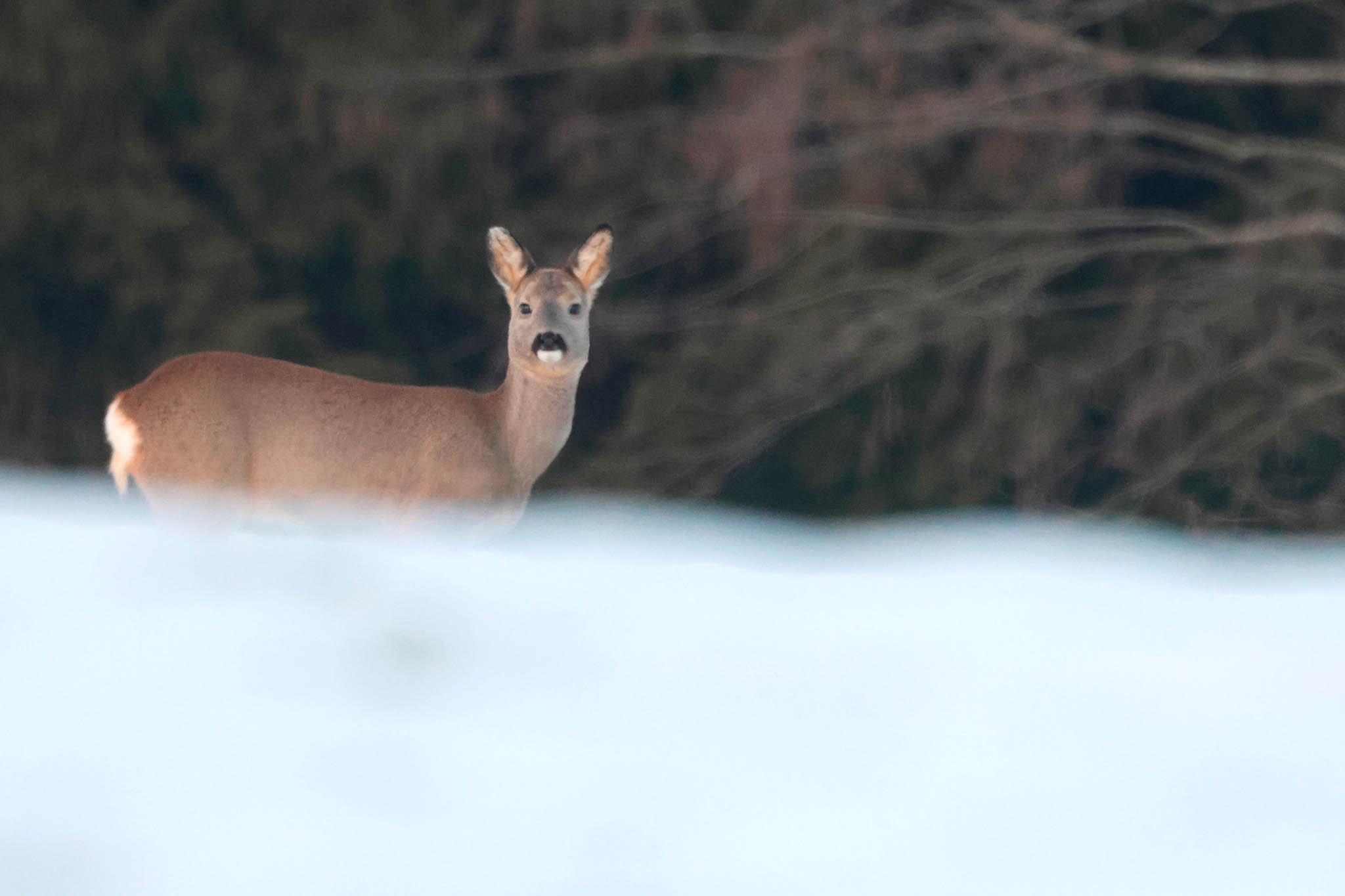
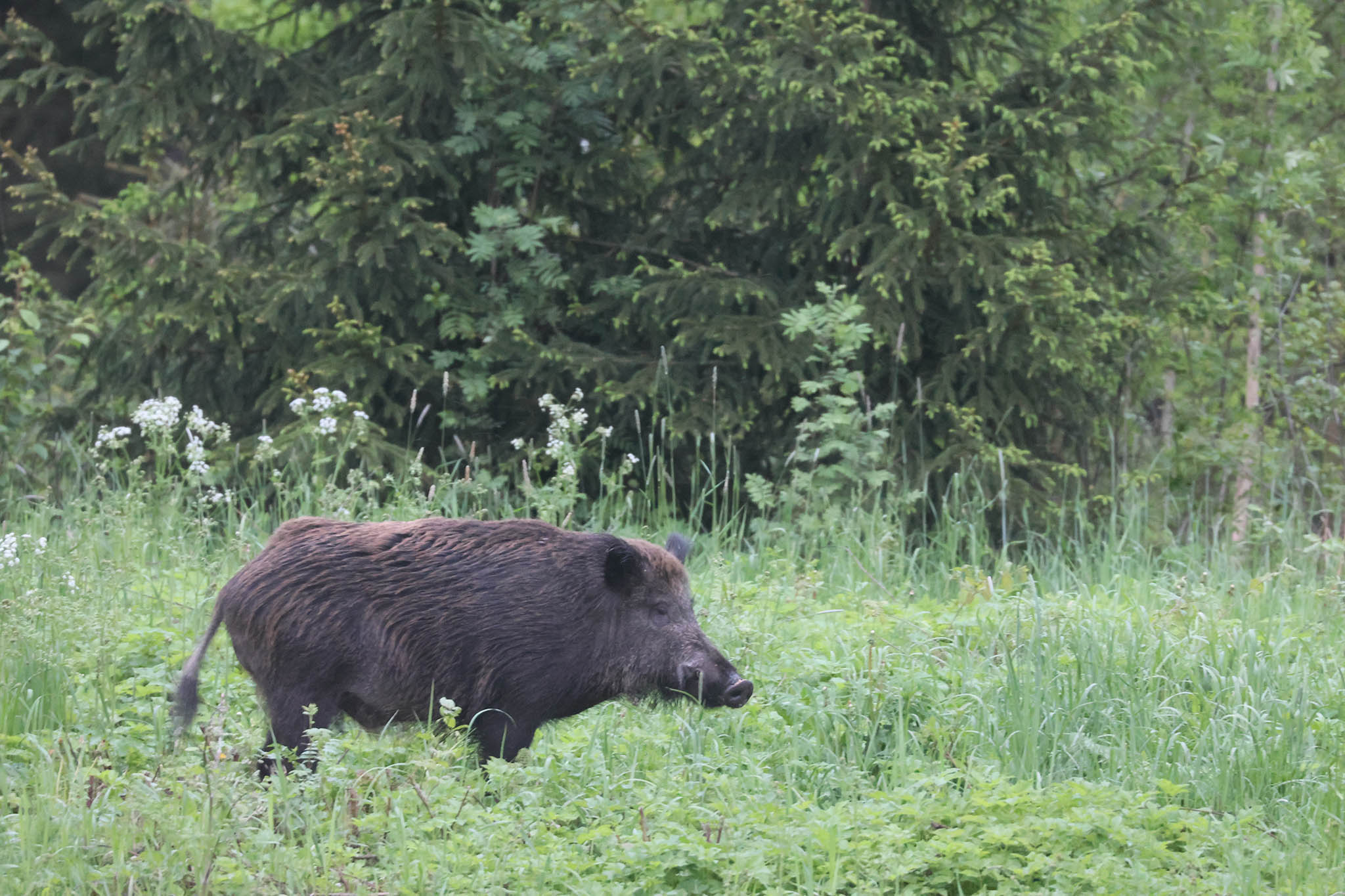
Brown bears are Estonia’s most iconic large predator, with a stable population of around 700-800 individuals. Wolves have made a strong comeback and now number several hundred. Lynx also roam the forests, though in smaller numbers. Elk (called moose in North America) are common, along with roe deer, red deer, and wild boar.
Marine and Coastal Wildlife:
The Baltic Sea coastline and islands support significant seal populations, including both grey seals and ringed seals. The waters and coasts are crucial stopover points for millions of migrating birds.
Birds:
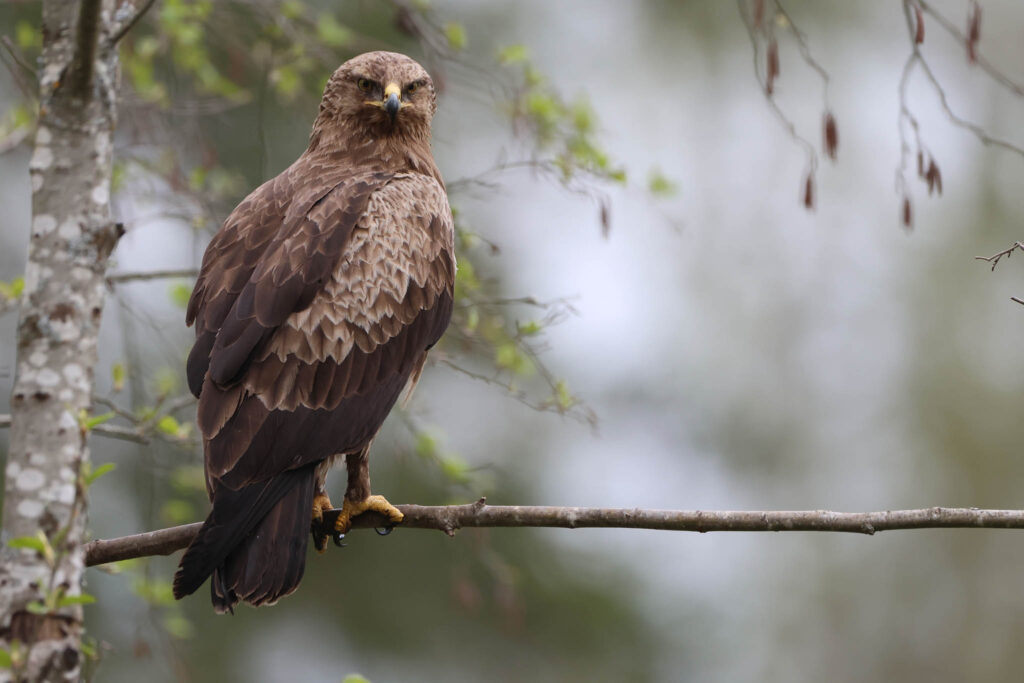
Estonia is a birdwatcher and photographer’s paradise, especially during migration seasons. Notable species include white-tailed eagles, golden eagles, black storks, cranes, and various species of owls. The country hosts large populations of waterfowl in its numerous bogs, lakes, and coastal areas.
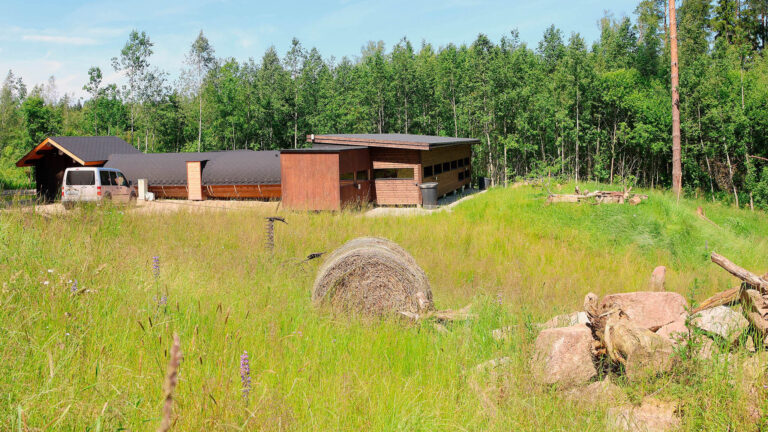
The Wildlife Dreams hide complex sits at the border of the Osõtsuu conservation area in Kõlleste parish, Põlva county. This 26-hectare protected area was established in 2005 to safeguard species-rich lowland bog ecosystems and the surrounding bog and deciduous forests. The conservation area serves as critical habitat for bog giant and yellow stonecrop, along with the diverse plant and animal communities that depend on these specialized wetland environments.
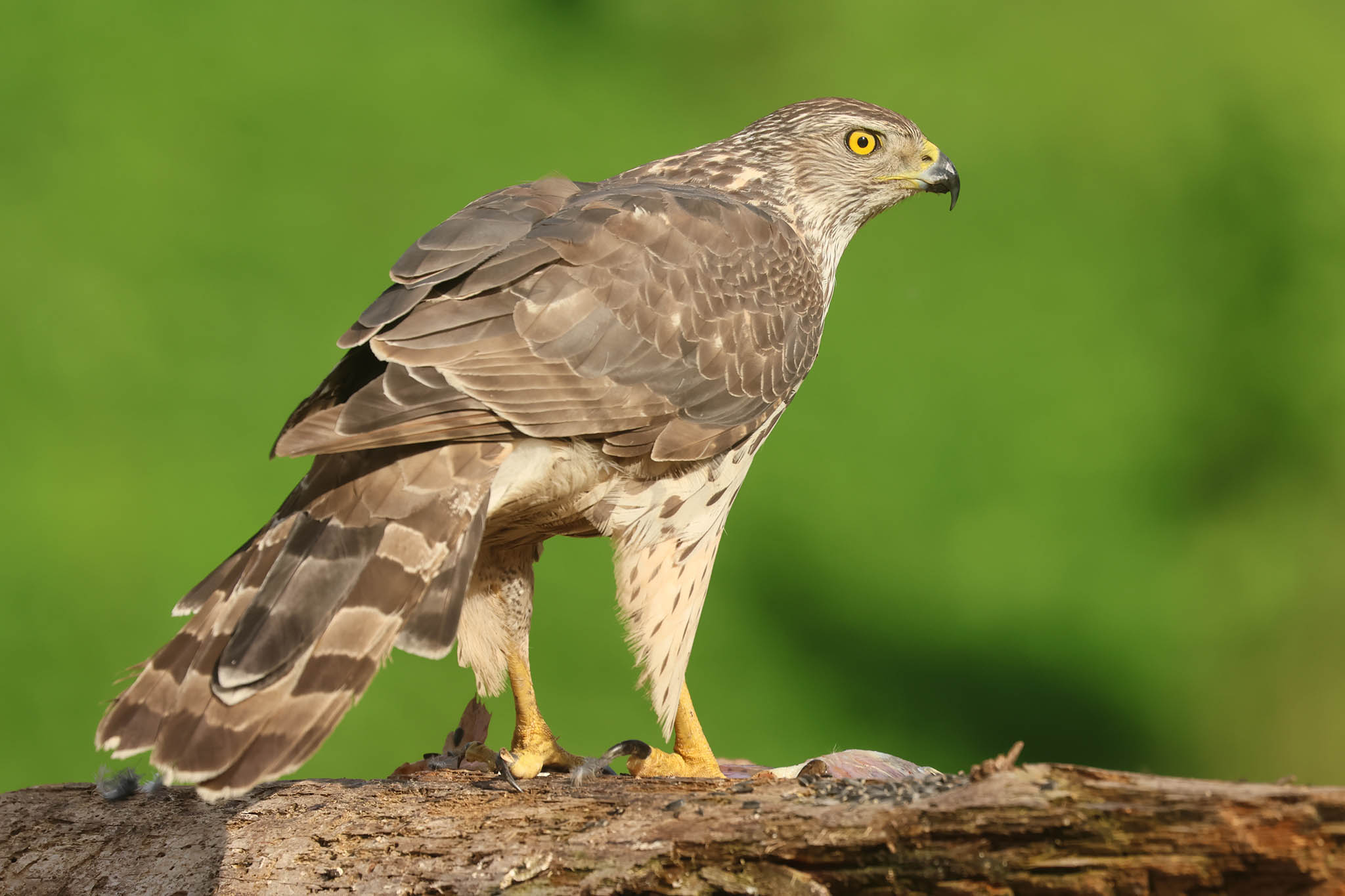
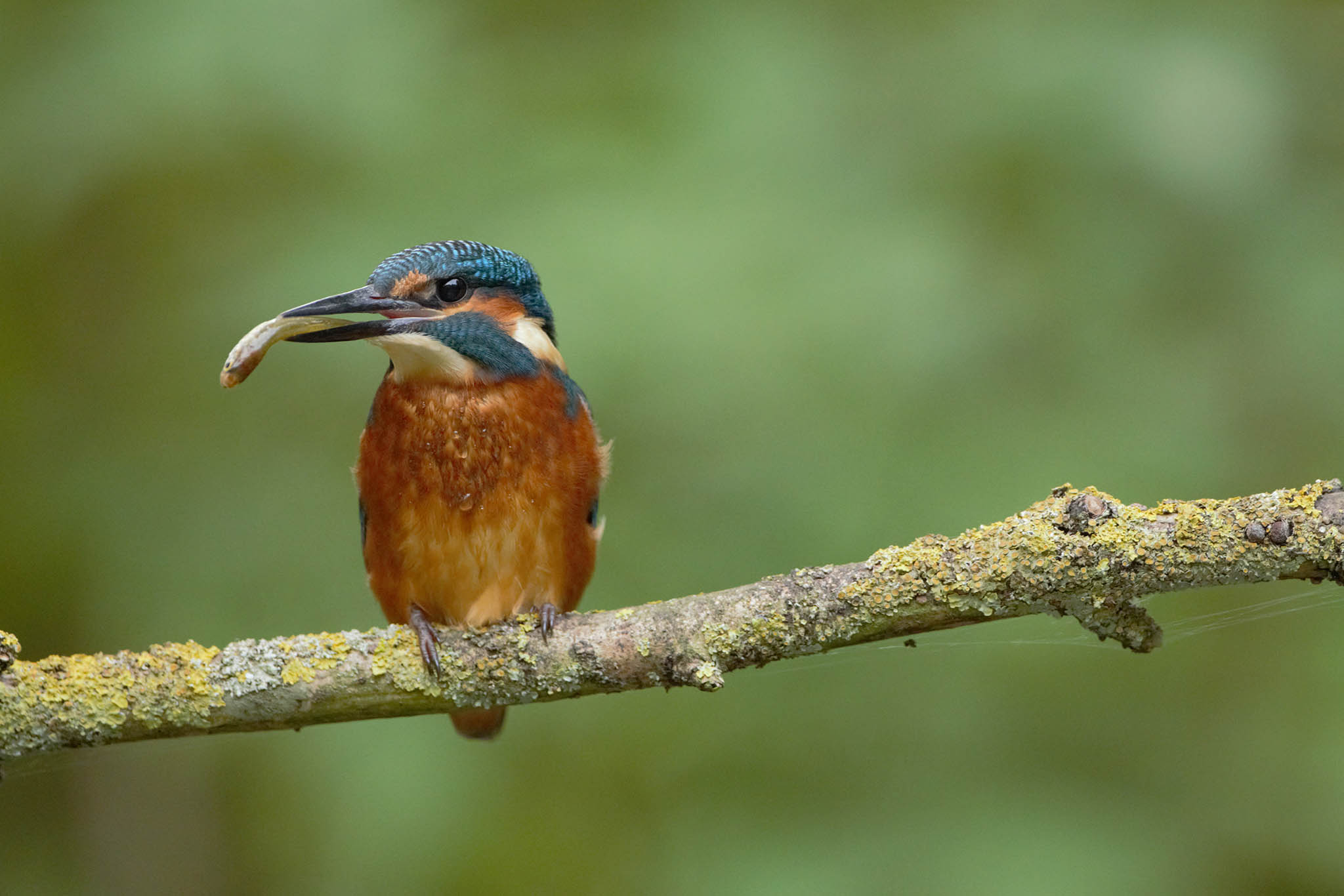
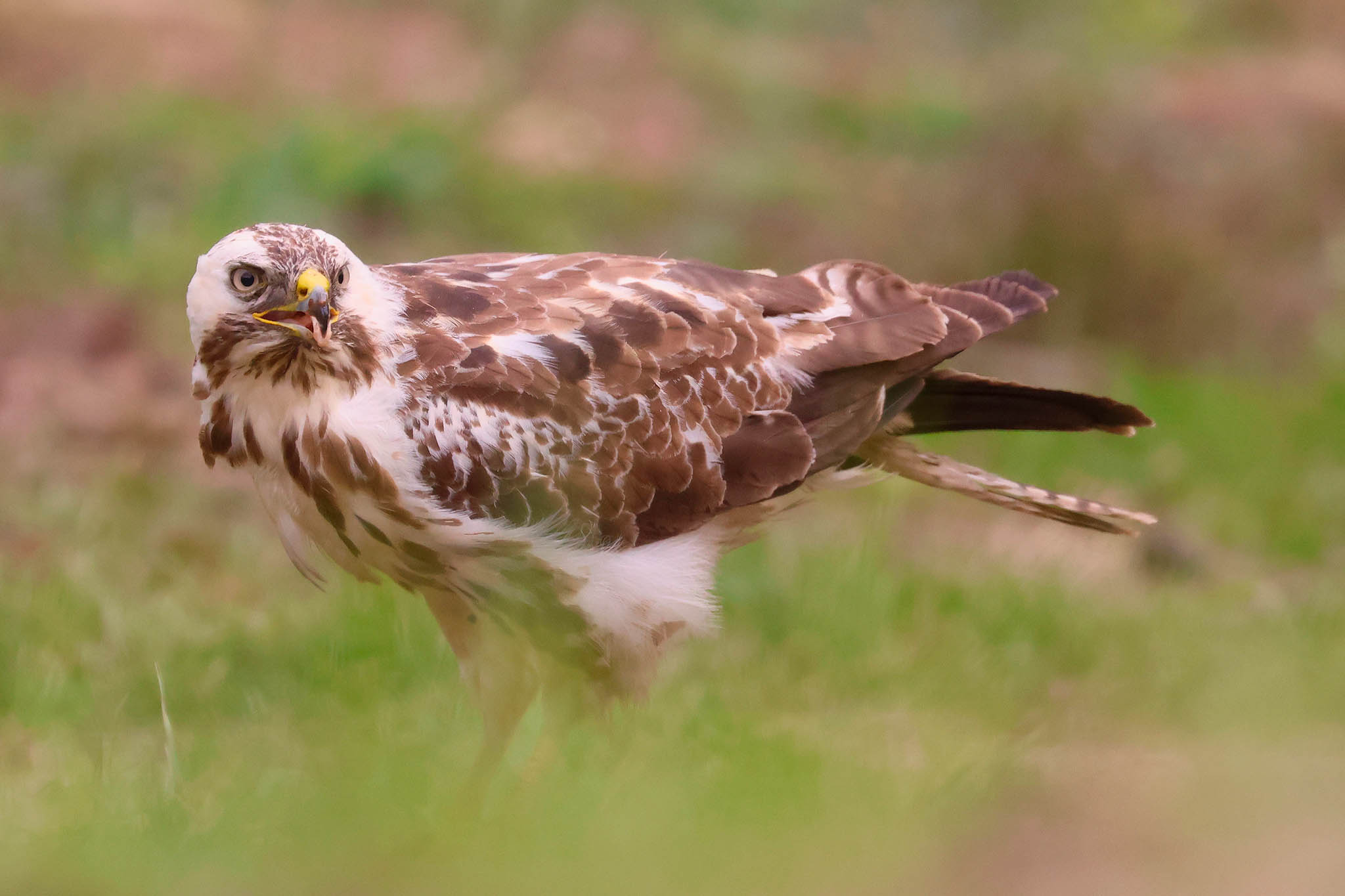
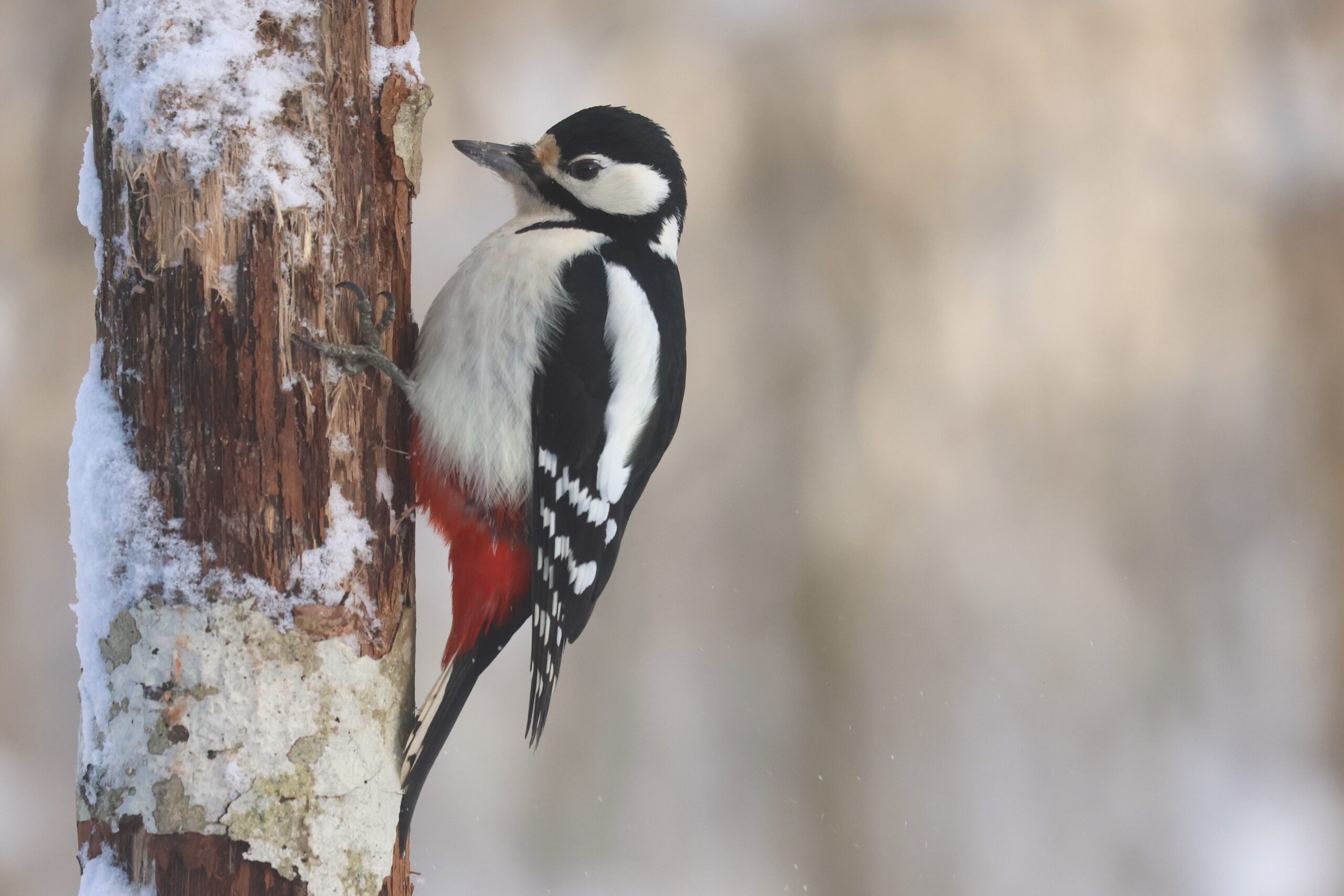
As such, the hide is perfect for photographing a great number of bird species. Regular visitors include the white-tailed eagle, goshawk, buzzards and marsh harriers. Our kingfisher and woodpecker hides are perfectly situated and setup to captures these too.
Smaller Mammals:
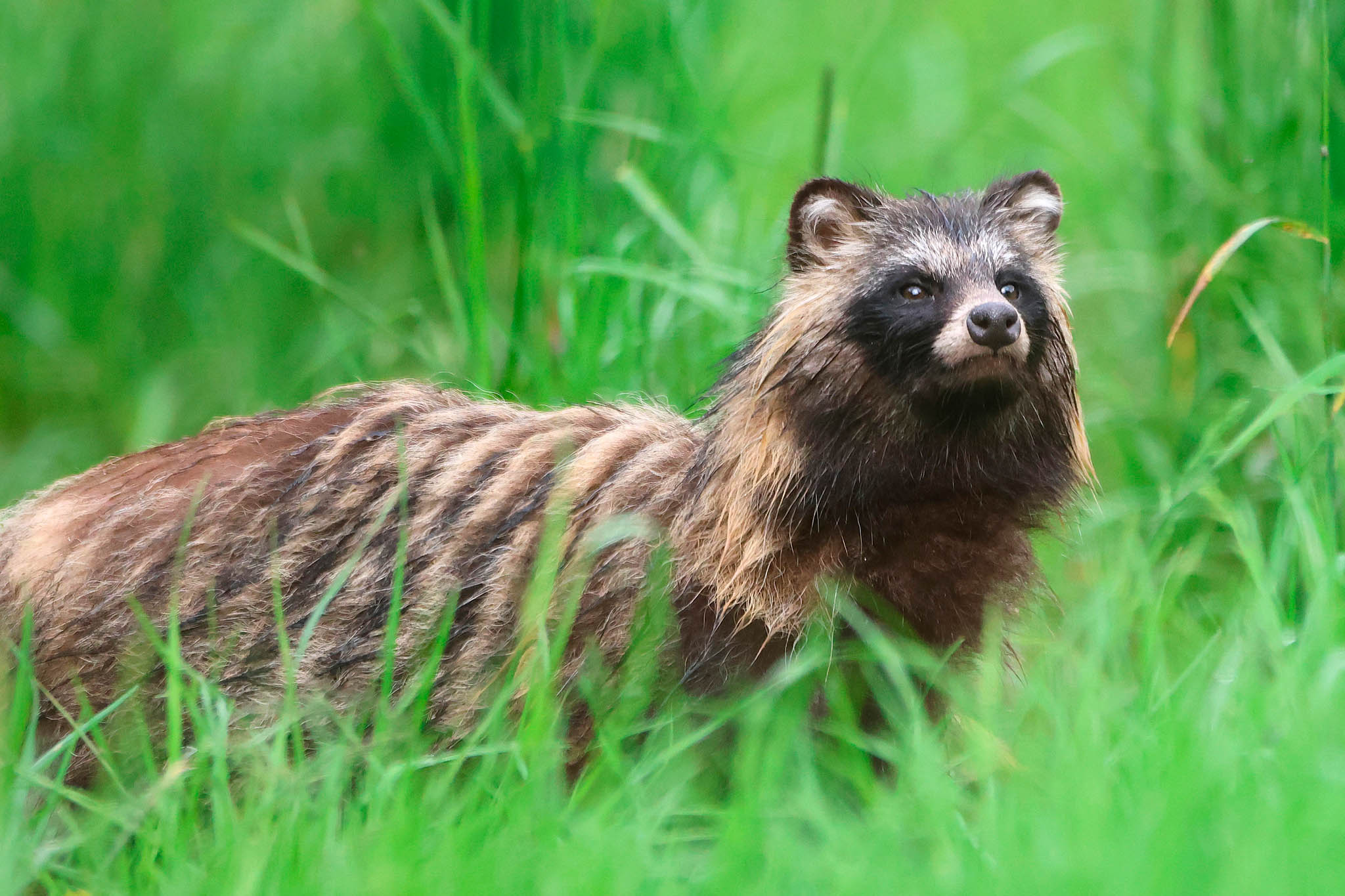
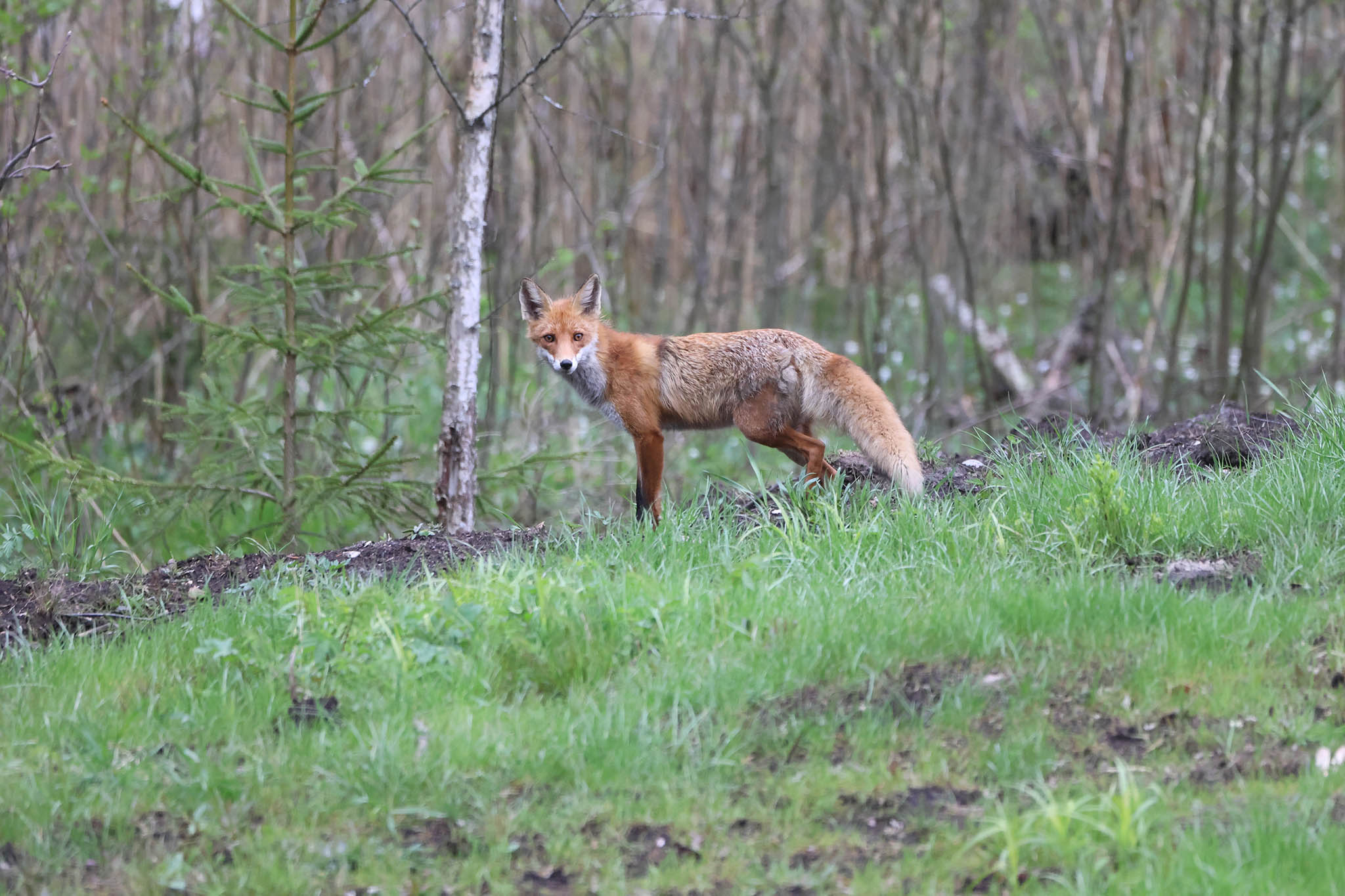
Beavers have been successfully reintroduced and are now thriving. Other mammals include pine martens, badgers, foxes, raccoon dogs (an invasive species), and various bat species. Foxes, racoon dogs, deer and
Unique Ecosystems:
Estonia’s extensive bog systems support specialized wildlife, while old-growth forests in places like Lahemaa National Park harbor species that depend on undisturbed woodland habitats. The country’s position along the East Atlantic Flyway makes it particularly important for migratory species.
The combination of boreal forests, wetlands, and Baltic coastal environments creates remarkably rich biodiversity for such a northern location.
Where is Estonia?
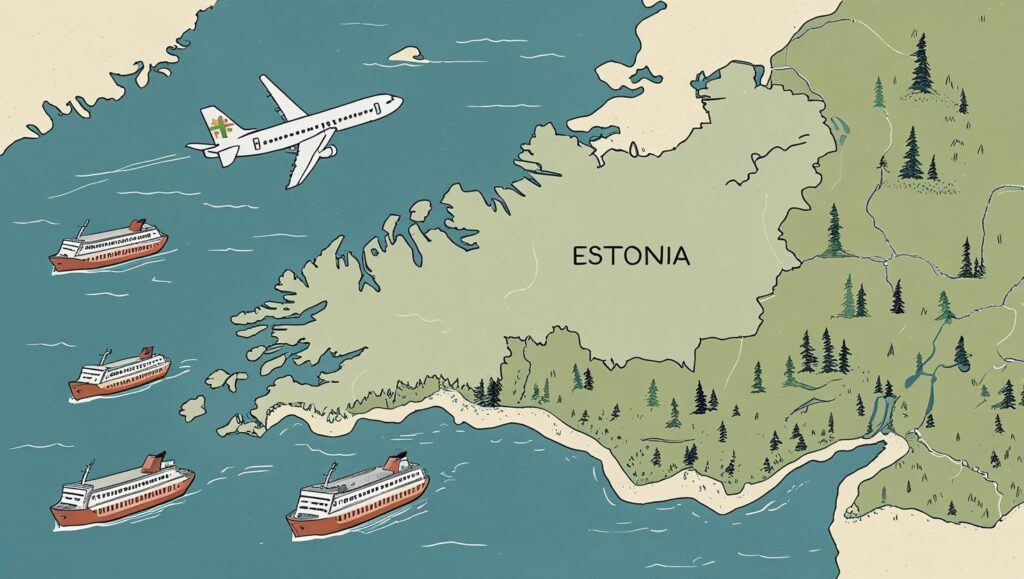
Estonia is a country in the Baltic states of Northern Europe bordered to the north by the Gulf of Finland, to the west by the Baltic Sea, to the south by Latvia and the east by Lake Peipus and Russia.
What makes Estonia special?
With 50 percent of the country covered in natural forests and bog, there is habitat for wildlife to live in. There are places where apex predators, from birds of prey to bears, wolves and lynx can roam, alongside their food sources such as elk, roe deer and other species.
With over 400 bird species and two migrations a year in April /May and Sept/Oct, bird watchers have already found this treasure trove of birding delights.
The coastline is over 3,794 km long with over 2,000 islands, bays and inlets and 1,500 lakes, all of which provide a lifeline to its wildlife.
It is important to conserve these precious natural habitats and Wildlife Dreams is working with people like Liina Steinberg of Save Estonia Forests to help do that.
Wildlife Dreams is also in the process of setting up another NGO especially for conserving Estonia’s natural habitats with helpful advice from Habitat Foundation.
Wildlife tourism can help to achieve these vital goals.
How do I get to Estonia?
There are so many exciting ways to get to Estonia including taking a trip through Europe by rail or road if you had plenty of free time.
There is a ferry from Helsinki or even from Stockholm – which is a 12-hour night crossing.
So, before your adventure starts, make the trip an incredible journey too!
You can also fly into Estonia’s international airport located in Tallinn with Wizz Air, Ryanair or Easyjet. You can also search other arlines using Skyscanner.
Additionally, you can fly into Riga in Latvia or Helsinki in Finland.
Finding Estonia's wildlife
With any country or safari local knowledge is important. Using a guide and accessing wildlife hides like Wildlife Dreams newest hide complex near Krootuse, helps to brings you closer to wildlife.
There are a number of smaller hides across the country but certainly not the volume that we see in other countries like Spain where, for example, Photo Logistics have over 90 wildlife hides.
Birding Estonia is a helpful book for exploring the country. It was useful as a reference i.e. we found that a lot of wildlife viewing places don’t have facilities such toilets or viewing was from a track rather than from public hides on reserves for example.
Estonia has six national parks to explore with boardwalks through bogs and alongside lakes to observe birdlife, but large mammals tend to keep away from humans and you don’t want to get lost in a remote landscape. I used an experienced local guide Marko Poolamets.
African safaris feature purpose-built vehicles, radios for remote communication and large numbers of mammals readily viewed. It is different in Estonia and with European wildlife more generally.
This is part of the charm that I have found here, the heart of European wildlife, which will only get better as the country develops its wildlife tourism.
“Bringing you closer to wildlife ”
Phil