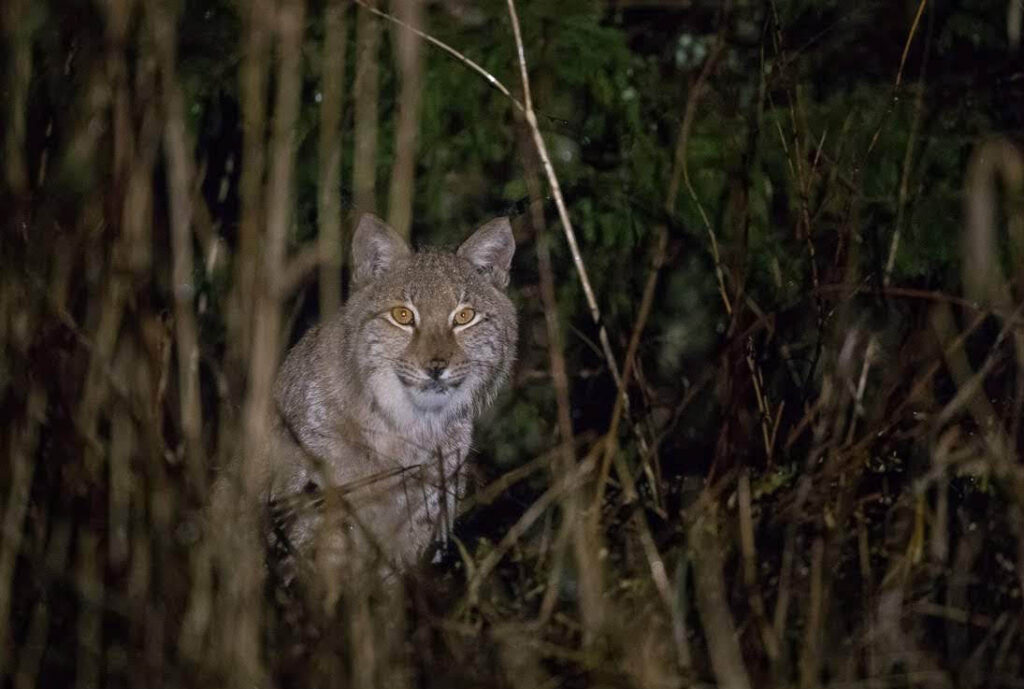
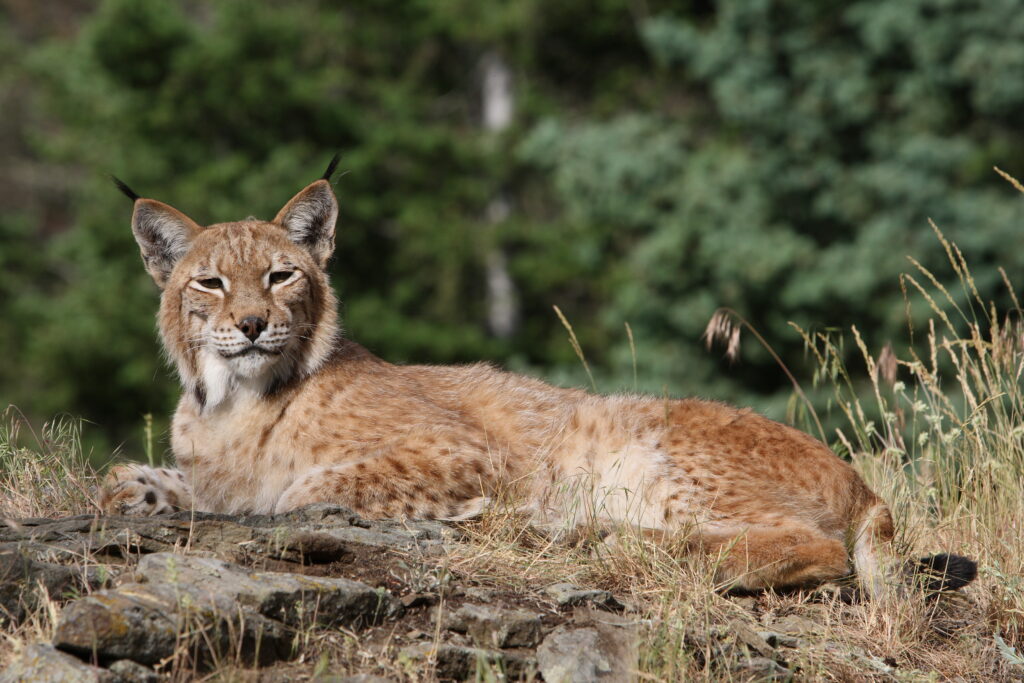
When most people think of big cats, they imagine lions prowling the savannas of Africa or tigers lurking in the jungles of Asia. But here in northern Europe, we have our own majestic feline the Eurasian lynx, Europe’s largest wild cat and Estonia is one of the best places to photograph it.
A healthy population of Eurasian Lynx in Estonia
With over 500 lynxes living in Estonia’s forests, the country supports one of the healthiest populations in Europe. Unlike in many other regions, the lynx is not hunted here, allowing it to thrive in its natural environment and play a vital role in maintaining ecological balance. This is particularly noticeable when compared to countries like the UK, where deer populations are booming due to the absence of top predators. In fact, the UK is now considering reintroducing the lynx to restore this balance.
Best Time to Spot the Lynx
Catching a glimpse of a lynx in the wild is no easy feat these cats are famously elusive. But Estonia offers two prime times of year when your chances are at their best:
February: It’s mating season, and the forests are quiet and clear of foliage. Snow covers the ground, making it easier to follow the distinctive tracks of this solitary predator. The stillness of winter and the soft snow can lead to magical moments if you’re lucky and patient enough.
August: After the hay fields are cut, lynxes begin hunting rodents in the open spaces. The daylight hours stretching from 4 a.m to 10 p.m. giving wildlife watchers a better window of opportunity to catch movement at dawn or dusk.
Wildlife Photography with Purpose
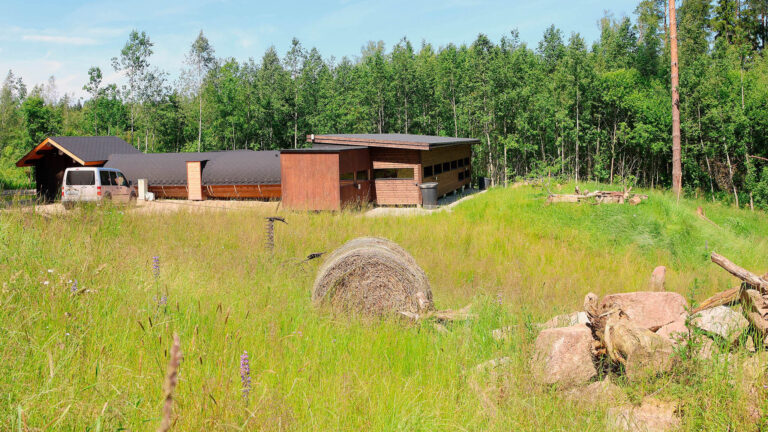
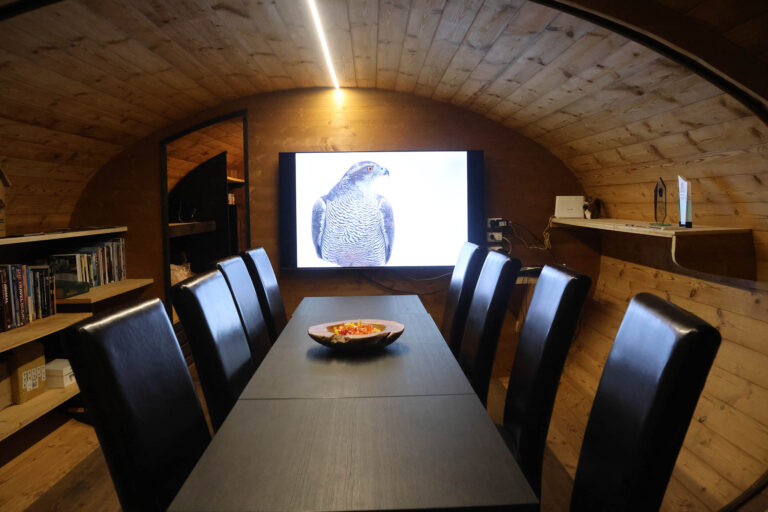
For those serious about seeing the lynx, Estonia has developed a quiet but growing niche in wildlife hide tourism. Local companies like NaTourEst and Wildlife Dreams operate specialized photography hides that allow for discreet observation without disturbing the animals.
These experiences don’t just offer unforgettable encounters they also support local conservation and rural economies. The global value of wildlife tourism is estimated at over $250 billion annually, according to the World Bank. Countries like Spain have already tapped into this potential by successfully promoting the Iberian lynx as a tourism magnet, and Estonia is well-positioned to follow suit.
A Natural Treasure Worth Protecting
With such a valuable and charismatic species roaming its forests, it would be short-sighted for Estonia to consider reintroducing a hunting license for the lynx. Beyond their ecological importance, these cats could become a flagship species for wildlife tourism, drawing nature lovers from across Europe and beyond.
Estonia’s forests, rich in biodiversity but are also suffering from clear cutting by heavy industry and needs also to be monitored .“Save Estonia’s Forests and other environmental NGOs”. Like the Estonian Fund for Nature, the Estonian Wildlife Center. So the last strongholds of wild nature are projected.
There’s also good news that the hunting quota of roe deer will be much lower for the upcoming hunting season.
Protecting the lynx means protecting that wild spirit for the benefit of the ecosystem, local communities, and generations of travellers to come.
Images from kind permission of NaTourEst