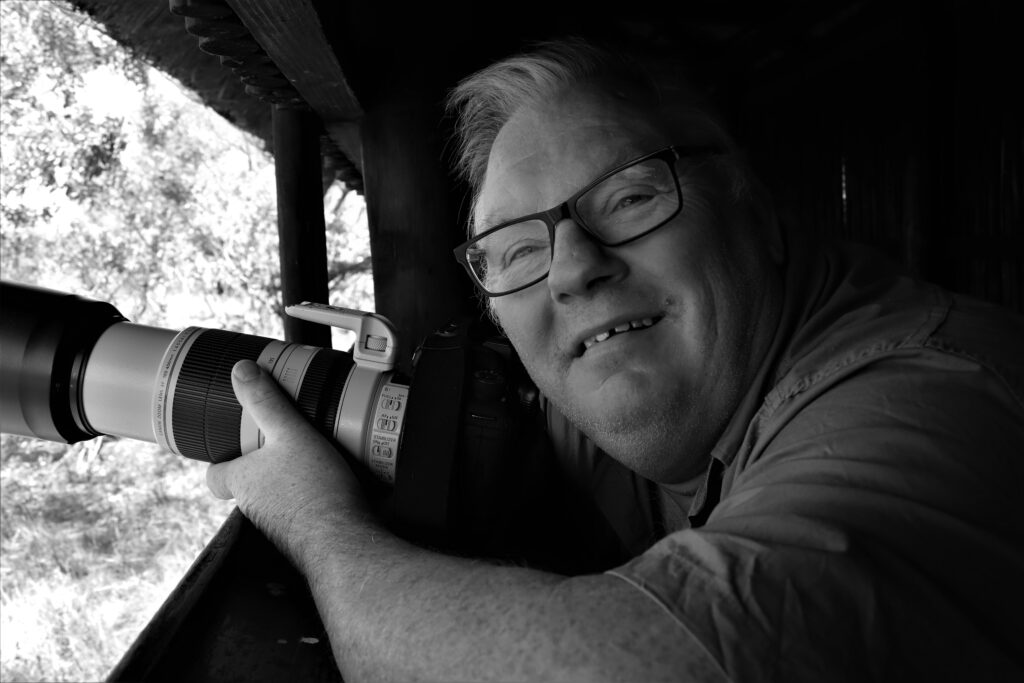
Since starting my wildlife photographer career, the development of wildlife hide photography has grown, in an effort to bring you closer to wildlife.
I started out by putting a blanket over me in my parents’ garden to photograph blackbirds on the lawn.
Companies providing wildlife watching supplies, such as that owned by Kevin Keatley which began in 1992, have supplied me over a number of years with camouflage hides, bean bags for my car and a variety of styles of clothing to get me closer to wildlife.
You still need to know your fieldcraft that comes from years of experience and accumulated knowledge.
My first wildlife hide was my car with a beanbag over the window with camouflage netting, so that the woodpecker which landed on a post at Denny Wood in the New Forest, didn’t see me. I am pleased to say that after 30 years the site is still growing strong, although a car isn’t needed now as the birds are so used to humans.
Pop-up hides, which are like small tents, can be placed down for observation and photographing. The biggest problem I had was not from wildlife but rather that people would pinch or vandalise them – even on private land. They are however, still useful today and I have just purchased one in Estonia for wildlife observation including beaver, otter and meadow habitats.
Camera traps can help with this but I still feel that good old-fashioned watching and listening is the best.
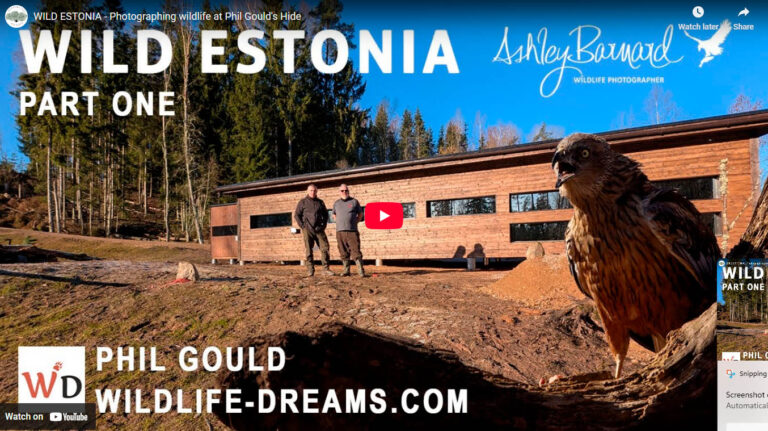
Wildlife hides have developed from your garden shed or pallets screwed together to almost mini-lodges including our own hides in Estonia. Here you have the comfort of having something hot to eat and of course the convenience of a dry toilet! I have many stories of how, on previous wildlife observation trips, my boiled eggs have frozen, my sandwiches gone dry and my coffee gone cold….
How we get to observe wildlife has also developed over time, from having open holes that let the elements and insect life into your hide, to using specialist one-way photographic glass from Photo Logistics in Spain.
Floating Wildlife Hides
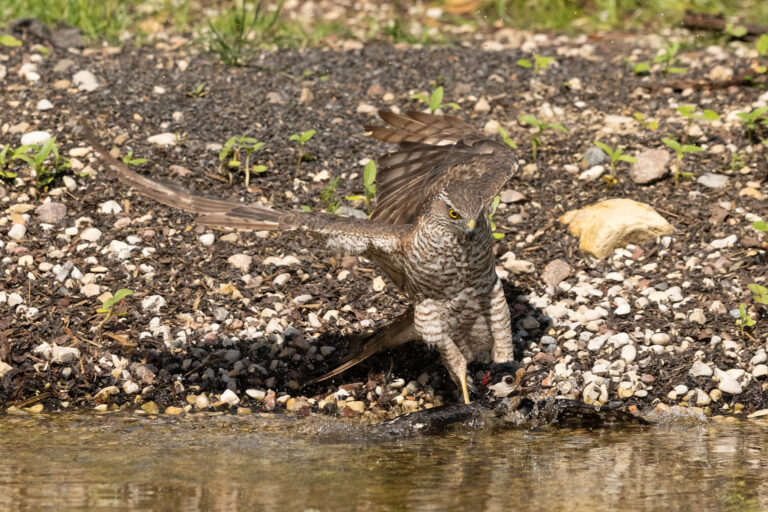
Hides are often by water – if you know where something eats, sleeps and drinks, you have a good chance of photographing your subject.
You also now have floating hides such as the one from Gerhard Schaffer in Germany which is another product that we will be using in Estonia, especially due to the amount of lakes and coastline.
From floating hides to boats….my good friend Mate Kose has now designed and constructed a purpose-built boat with eye-level windows for unique photographic perspectives on the coast.
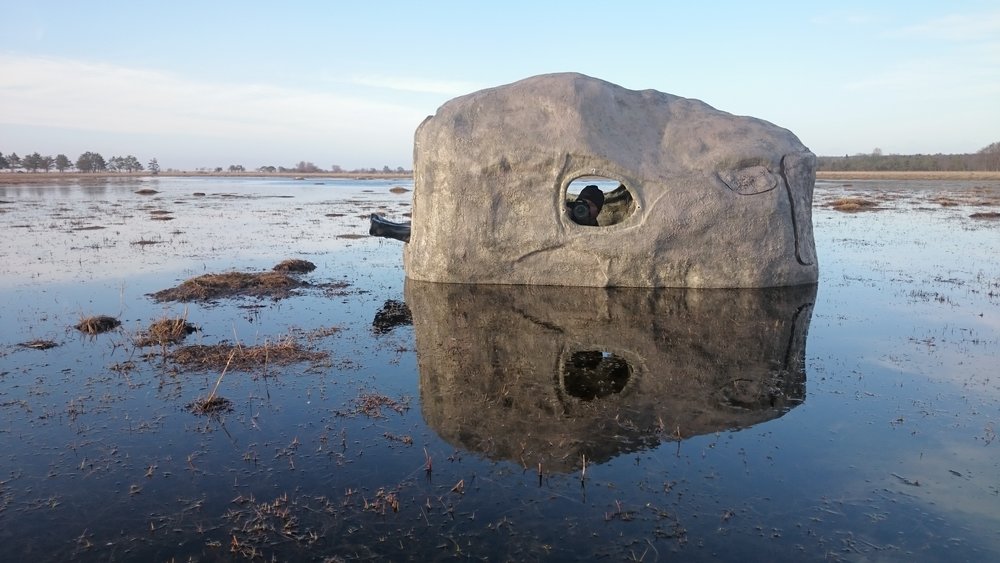
So what will the next development be in wildlife hides?
With wildlife tourism and the demand to observe wildlife growing, it is important to ensure that revenues support the preservation of habitat and the purchase of more land for wildlife. This will ensure wildlife can live in peace and wildlife corridors are kept open.
I’m already working with one company in Estonia on interesting future hide designs. Hide development takes investment in location and build costs to produce something very special. Our wildlife hide complex combines 5 hides in 1, taking things to the next level in wildlife observation, photography and contribution to conservation.
“Bringing you closer to wildlife”
Phil Gould
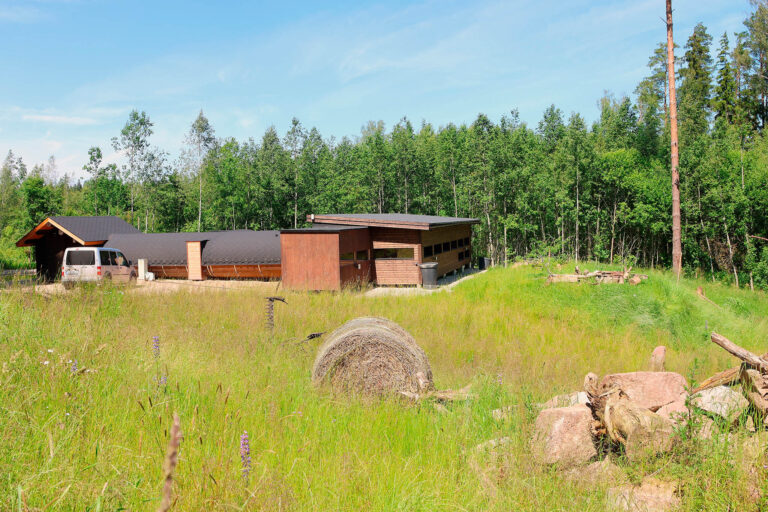
Luxury Wildlife Hide in Estonia - 5 Hides in One
Our luxury wildlife photographic hide complex can accommodate up to 24 photographers at 2-metre wide windows fitted with high quality photographic glass. All hides are interconnected and you can move freely between them. To book a place and number of days, please visit our booking page.
It’s also possible to book the entire complex, subject to availability.