Tips that will take your wildlife photography to the next level
If you’re photographing wildlife from your back garden, deep in the wild or from a dedicated photography hides such as ours, there is an art to getting the perfect shots.
Let’s be honest: animals are the world’s most uncooperative models. They don’t perform or pose for you and they rarely stay still. But when everything aligns, the results can be magical.
Wildlife photography is all about clicking that shutter at exactly the right moment. So it’s about more than just a fancy lens and top of the range camera. More often than not, it means waiting, watching, and hoping.
Whether you’re tracking a sparrowhawk in the woods or waiting for a squirrel to strike a pose on your fence, these 7 essential wildlife photography tips will help you stop taking ‘pictures’ and start capturing ‘moments.
Understand the animal you are photographing
The best wildlife photographers don't get lucky; they use their knowledge and skill to be in the right place at the right time, and be ready to click that shutter at the perfect moment.
Anticipate the action: Every species has a tell-tale sign. A bird might defecate or stretch its wings right before taking flight. A predator may lock its gaze and hunch its shoulders before an attack. By studying these behaviours, you can have your finger on the shutter ready to click at the precise moment.
Identify active windows: Most animals are creatures of habit. Does your intended animal hunt at dawn, or is it strictly nocturnal? Knowing what time an animal become active, emerges from its den or comes to a feeding ground, can help ensure you arrive and get setup well beforehand so you do not scare them off. Mothers will more often than not, keep to the sidelines and watch carefully to ensure its safe to bring their young out into the open.
Understand habits and corridors: Animals are creatures of habit. They often use the same trails to reach water or the same "plucking posts" to eat their prey. They know each and every food source. Researching these patterns helps you position yourself along their natural path without needing to chase them.
Do your homework: Study the animal’s behaviour, habits, and active times. If you can predict what it’ll do next, you’ll be ready when the moment happens. If you are planning to photograph a particular species, read up about it beforehand.
Make the best of the light
In wildlife photography, great light is the difference between a flat, boring snapshot and a cinematic masterpiece.
The Golden Hours: Aim for the first hour after sunrise and the last hour before sunset. The sun is lower in the sky and casts a warm, golden glow and creates long, dramatic shadows which add depth to the whole scene. The low side lighting also brings out the texture and colour of the animals’ fur or feathers
Stay out of the midday sun: For the most part, when the sun is directly overhead (11 AM – 3 PM), it creates "harsh" light. This leads to blown-out highlights and deep, dark shadows that hide the animal's features (especially the eyes). This is moreso on sunny days where there is strong direct light.
Embrace the Overcast: A cloudy sky is nature’s studio, essentially creating a giant natural softbox. The cloud layer diffuses the light and casts even, soft light that is perfect for capturing the intricate details of fur or feathers without any distracting glare. Bright overcast days are ideal because they help eliminate harsh shadows, especially during the middle of the day, while still giving off enough to illuminate your subject nicely.
Backlighting for Drama: If you’re feeling bold, position yourself so the sun is behind the animal. This can create a beautiful "rim light" effect, making the fur or feathers look like they are glowing.
Focus on the eyes
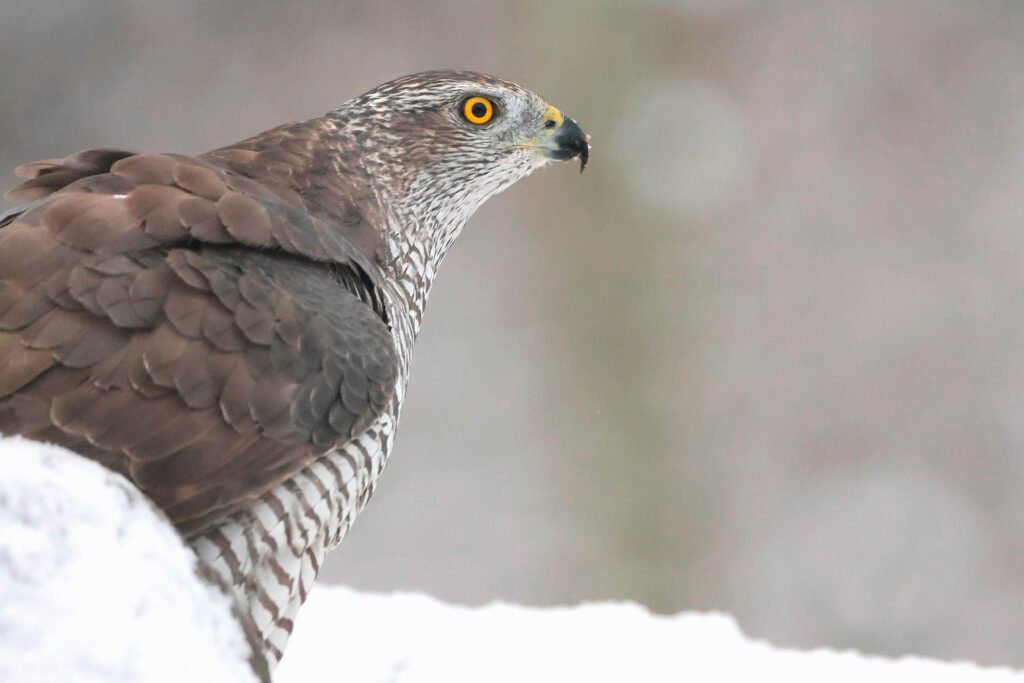
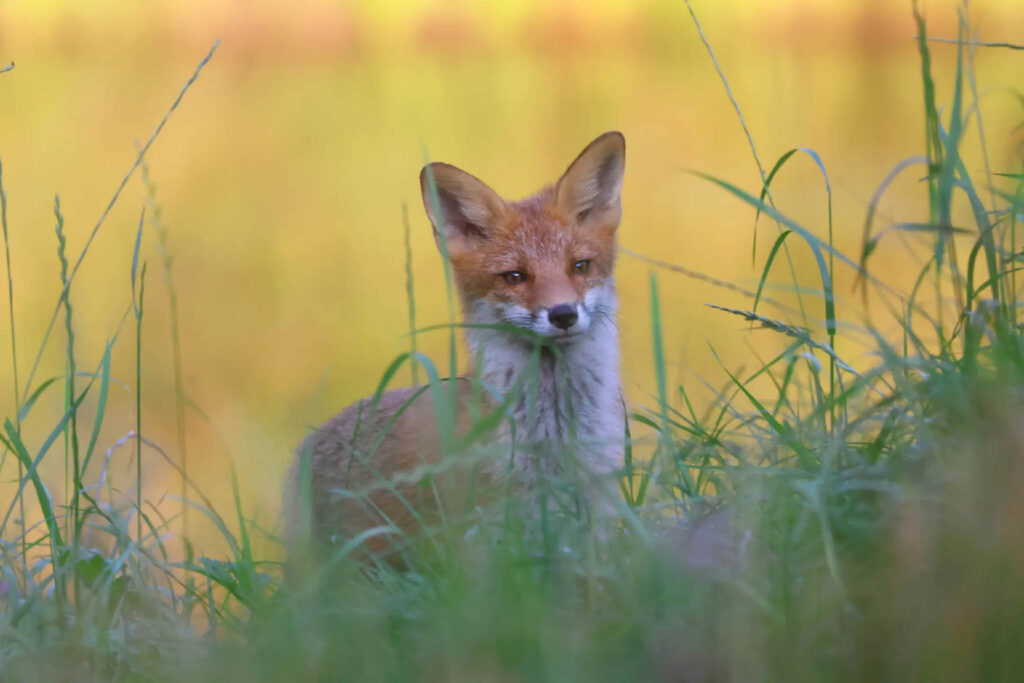
Just like with humans, the eyes bring out the animal’s personality. Sharp eyes = powerful photo. Even if the rest is slightly soft, sharp piercing eyes bring the animal and image to life. Focusing on the can help build an emotional connection with the animal.
Use single point focusing: Be sure to set your camera’s focusing to single point and aim it directly at the eye closest to the camera. This ensures the most critical part of the frame is in perfect focus.
Be aware of depth of field: When shooting with large aperture (using a low f-number like f/2.8 or f/4), and using long focal lengths (200 – 500mm or more) your depth of field is extremely shallow. At these settings, if you focus on the nose, the eyes might already be out of focus. Always double-check your focus on the eyes!
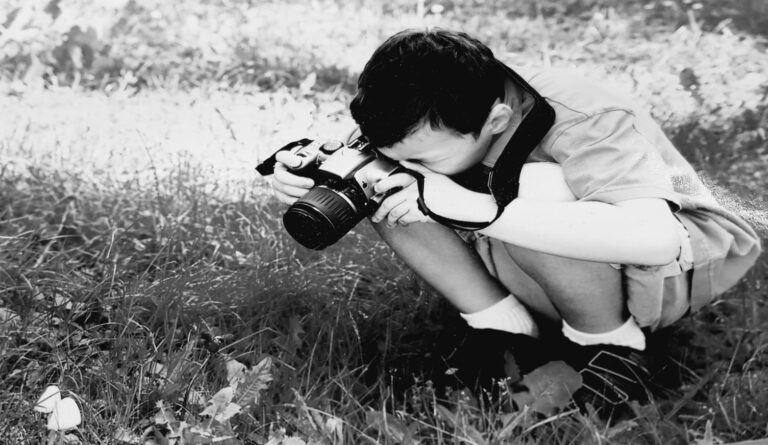
Get down to eye-level: To make the eyes even more impactful, get down on the animal’s eye level. If you’re shooting a shorebird, lay down in the sand. Looking an animal in the eye straight on creates a much more intimate and natural perspective than looking down on them from a human height.
Be patient, quiet and still
Wildlife photography rewards patience. By remaining silent and keeping your movements to a minimum you reduce any chance of the animals being aware of your presence, becoming nervous and watchful. This results in less natural behaviour, and the animals keeping their distance. Worse still, they may scatter if spooked by a sudden noise or movement.
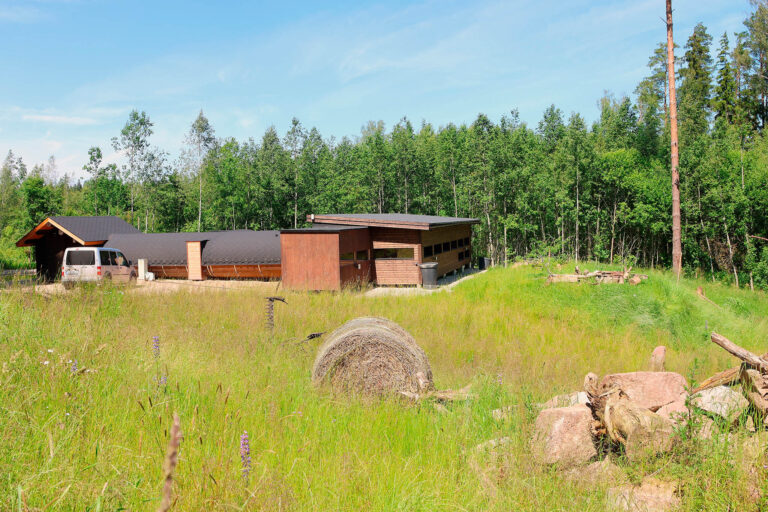
One way to avoid this is to use a wildlife hide to ensure you are completely hidden from the animals. While smaller hides can be more restrictive in their viewing, they are more often than not situated in the most opportune viewing spots. Our hide at Wildlife Dreams not only does that, but is a huge complex with multiple viewing windows each placed at strategic, eye-level positions designed to capture a variety of animals. It’s also soundproof and the specialist photographic glass is one-way, so the animals cannot see or hear you. You can freely move around without having to worry about disturbing the creatures you are photographing.
Use a fast shutter speed
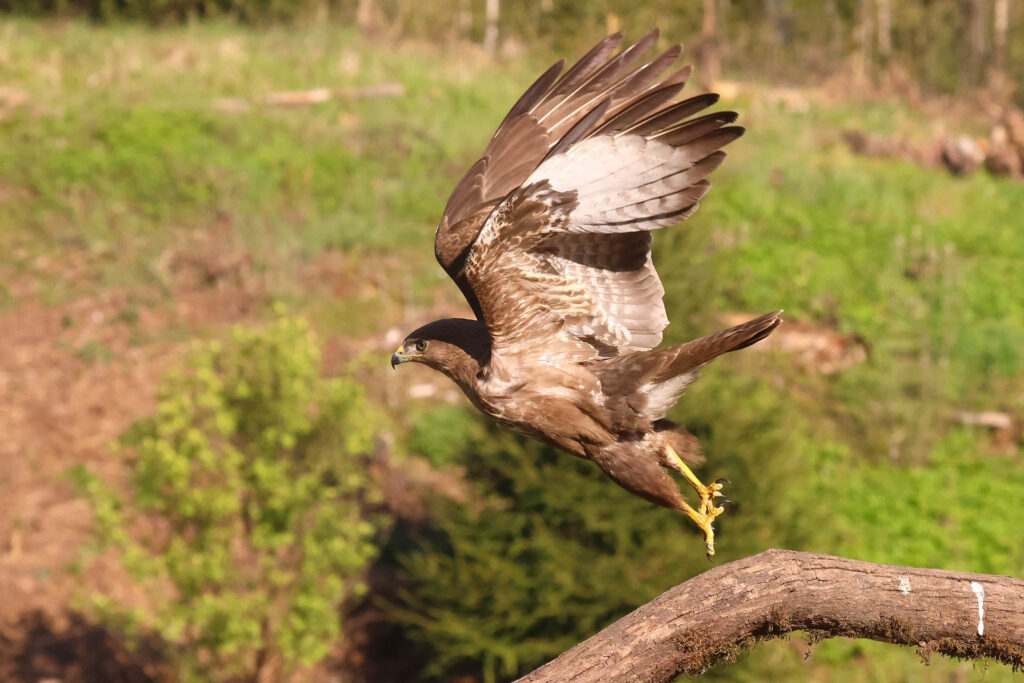
Animals move fast. Start around 1/1000 sec for birds or running animals to freeze motion. Adjust this according to the speed and direction the animal is moving. Animals that move horizontally across the frame seem to be moving faster, so an increased shutter speed is required. Whereas an animal that is moving towards the camera, appears to moving slower (however, be more careful with your focusing here, as the distance between you and the subject changes more rapidly; faster focusing is required here, and set your camera to continuous to avoid out of focus shots.
Even if the animals are standing still, be ready for sudden rapid movements: a bird flapping its wings and taking flight, a fox shaking its fur dry or pouncing on its prey. At any point, an animal could suddenly burst into a run for a number of reasons.
Adjust your shutter speed down a bit to capture some motion blur in wings or legs, to give a sense of movement. Also try panning to blur the background and give a real sense of motion.
Respect wildlife
This is a no-brainer. Never stress or disturb animals just for a photo. Keep a safe distance, don’t bait, and let ethical choices guide your work. Wildlife photography should be a tribute to nature, not an intrusion. No photo is worth compromising the safety or well-being of an animal, or yourself for that matter. Remember also, that for more dangerous animals like brown bears, if you cause the animal to attack, you will also be putting a death sentence on that bear because local authorities will then deem it a danger to other humans and likely have it shot.
If your presence changes an animal’s behaviour, you are too close.
The stress test: Watch for signs of distress—flattened ears or ears pricked up sensing danger. The animal may stop feeding suddenly and move around nervously, freeze. If an animal is looking at you instead of going about its business, back away slowly. You want to capture natural behaviour, not a flight response.
Don’t go off track: In many ecosystems, stepping off the path can destroy fragile nests or burrows. Use a longer lens (telephoto) to close the gap visually rather than physically.
Do not litter or damage: Leave no trace, take all your litter home with you. Ensure you leave the environment exactly as you found it. This includes not breaking branches or pulling plants just to get a clearer line of sight.
Make us of modern technology
Utilise great in-camera tools like Animal Eye-AF, silent shutter modes.
Animal eye tracking: If your camera has it, use it. It uses AI to lock onto an animal’s eye instantly and track as it moves, ensuring your focus is sharp even if the subject is moving.
Silent shutter: Switch to electronic/silent shutter mode to avoid scaring off skittish creatures with the “clack” of a loud mechanical shutter.
Use apps
Planning apps: Use apps like PhotoPills or The Photographer’s Ephemeris to predict exactly where the sun will rise or set, so you’re perfectly positioned before the light hits. Use weather apps to predict the best days to go out and shoot.
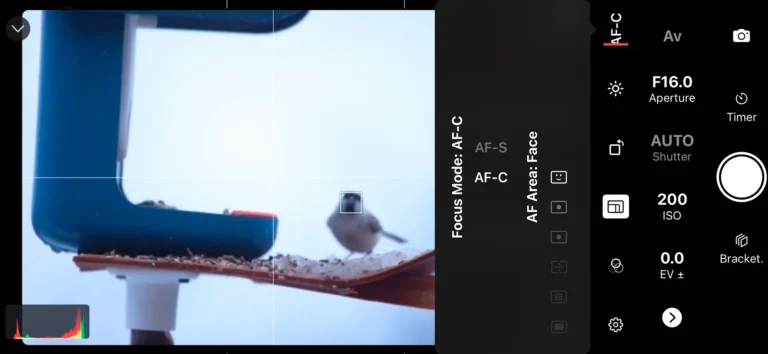
Remote control apps: A remote control app can help to get closer to wildlife without disturbing them. Simply setup your camera on a tripod, zoomed in and framed on a common scene where animals play, feed or sleep. A remote control app allows you to control and trigger your camera while remaining well away from it and ensuring the animals are completely unaware of your presence.
As mentioned earlier, animals don’t perform for you, so it’s a case of watching, waiting and always being ready for that shot. That can sometimes be tiring, and make you feel like you must be glued to your camera at all times, trigger finger at the ready. Maybe you feel like even going to make a cup of tea could mean missing the action. With a remote control app, you can freely walk away, make tea, have lunch, or in our hide even do some photo editing in our conference room.
Most mirrorless cameras, or DSLR’s with WiFi capability, have a free proprietary app available from the manufacturer’s website. Alternatively, consider a third-party premium app to get more advanced control you camera’s settings, such as Shutter, a great iOS app available for Canon, Sony and Fujifilm.
The Golden Rule
Remember, it’s not just about the camera or lens you shoot with (although it helps), but the best photos are those taken with respect for the animal. Get out there, be patient, and let the wild animals come to you. But mostly importantly, keep yourself and the animals safe.
Luxury Wildlife Hide in Estonia - 5 Hides in One
Our luxury wildlife photographic hide complex can accommodate up to 24 photographers at 2-metre wide windows fitted with high quality photographic glass. All hides are interconnected and you can move freely between them. To book a place and number of days, please visit our booking page.
It’s also possible to book the entire complex, subject to availability.