I’m often asked: how many types of wildlife photography hides are there, and what is the use and advantages of using them? So hopefully I’ll answer your questions here in this article. If not, please ask Savannah or send us an email.
What are the main types of wildlife photography hides
1: Portable / pop-up hides
Lightweight, foldable “tent-style” hides
Quick to set up and move around
Very popular for beginners.
Often called pop-up blinds
2: Camouflage tent hides
Larger and more comfortable than pop-ups
Good for longer sessions
Still portable but less compact
3: Permanent (fixed) hides
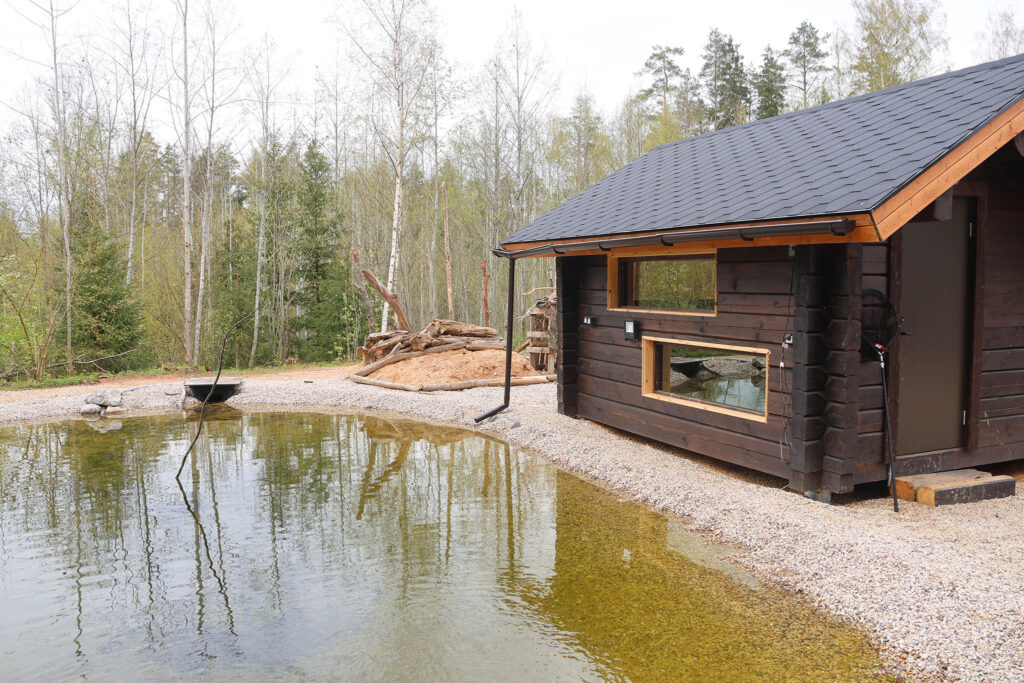
Built from wood, stone, or concrete
Found in nature reserves or private land even your garden shed .
Very stable and often used repeatedly
4: Ground hides (low-level hides)
Positioned at ground level
Ideal for eye-level shots of birds and mammals
Can be simple or built to a better standard
5: Elevated / tower hides
Raised platforms or towers
Used for photographing birds in trees or open landscapes
Providing a wider view
6: Floating / water hides
Used in lakes, wetlands, or rivers
Can be floating rafts or wading hides
Great for waterfowl photography
7: Natural hides (improvised) blind
Made from bushes, rocks, or camouflage netting
Very basic and low-cost
Blend perfectly into surroundings
8: Body hides / wearable hides
Worn like a poncho or draped over you
Extremely lightweight and mobile
Also called “bag hides” A seat is a good idea or lying on the ground
9: Specialized / custom hides
Designed for specific species (e.g., bears, birds of prey)
May include features like:
one-way glass
camera ports
soundproofing
Near waterholes
Toilet and coffee facilities and maybe beds for overnight stays for first light.
Often used in commercial wildlife photography setups like Wildlife Dreams.
10: “Creative” or unconventional hides
Examples: converted bins, vehicles, or custom rigs, shipping containers like in Africa and what I’m doing in Latvia at the moment.