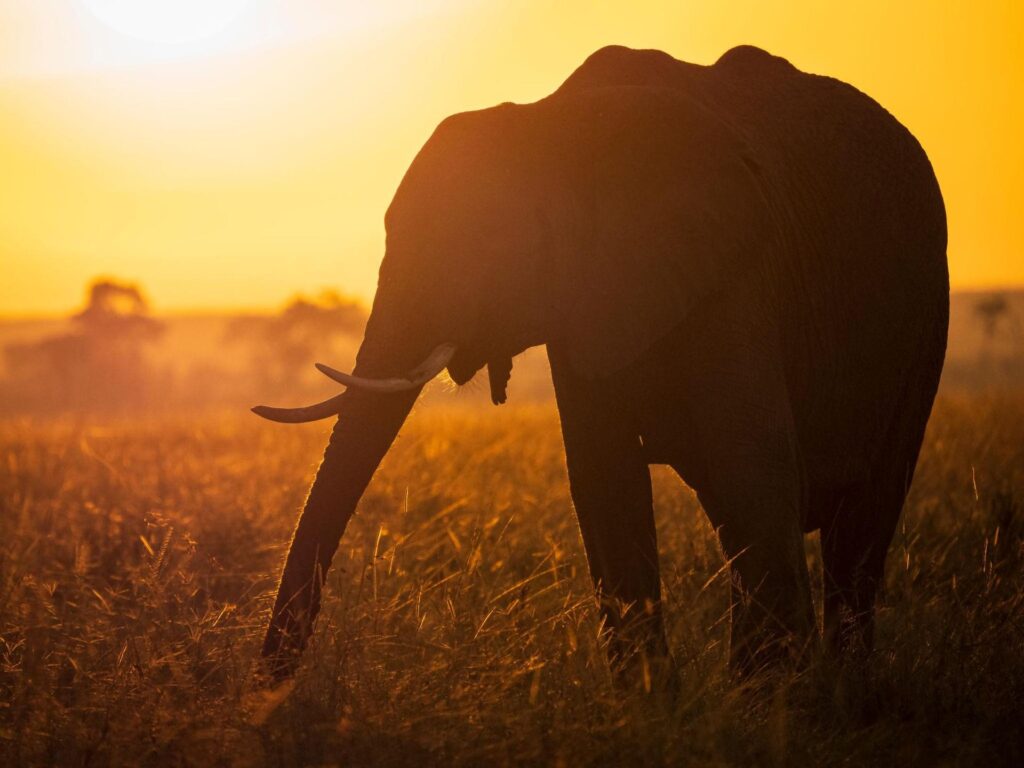
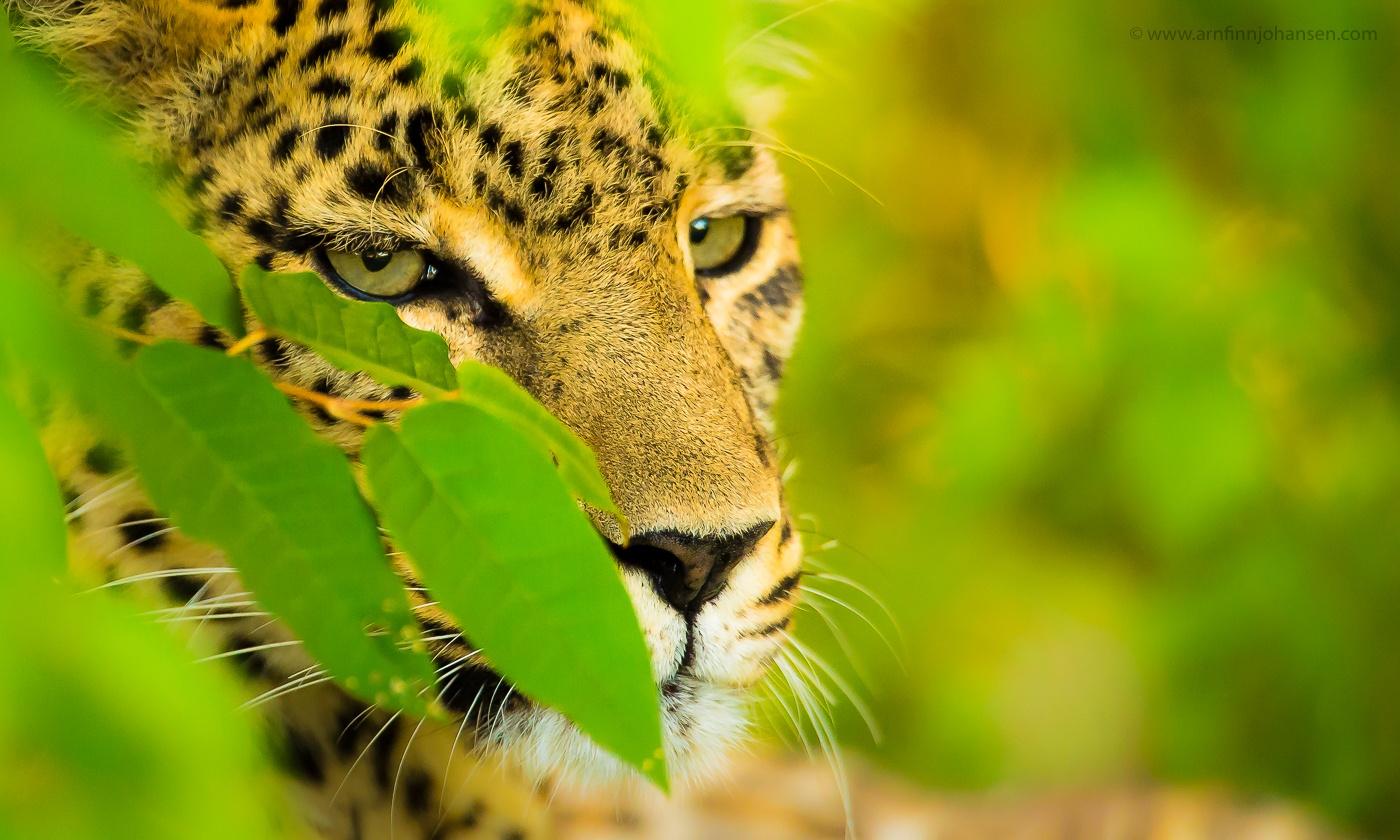
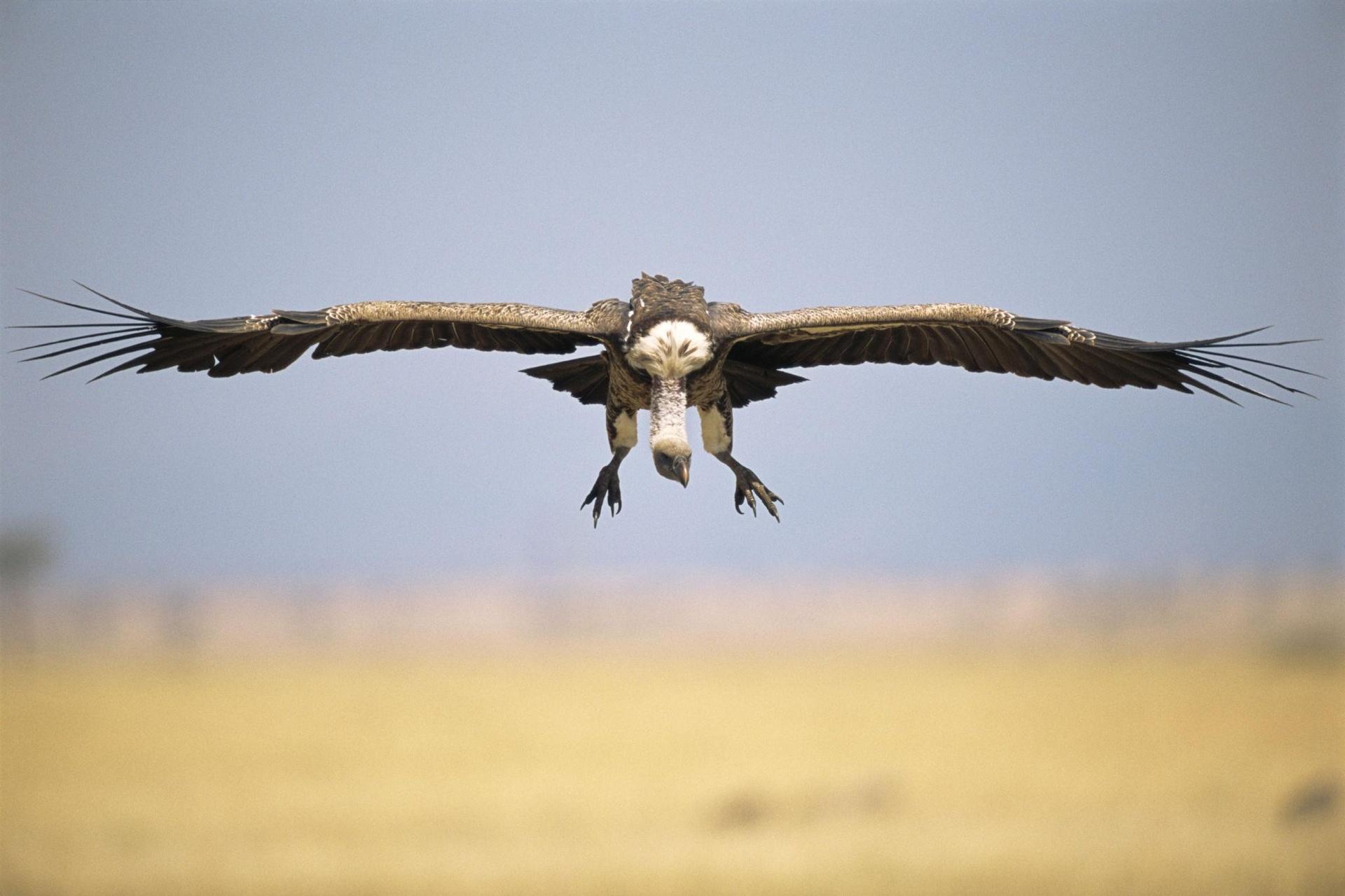
A dry-season photographic safari from a camp built for photographers. Low-angle adapted vehicles, Maasai guides who read the light, and days shaped around staying with a moment rather than collecting sightings.
Booking is handled securely by WeTravel.
A 20% deposit secures your place; the balance is due 45 days before departure. WeTravel payment plans let you spread the balance in monthly instalments at no extra cost. Places are held in the order deposits are received.
Oltepesi Tented Safari Camp was established in 2017 on a shared photography concept developed by Arnfinn Johansen and John Siololo: an eco camp made for professional wildlife photographers and nature photo enthusiasts. Set within a genuine Maasai village minutes from the reserve, it is very different from a conventional safari lodge.
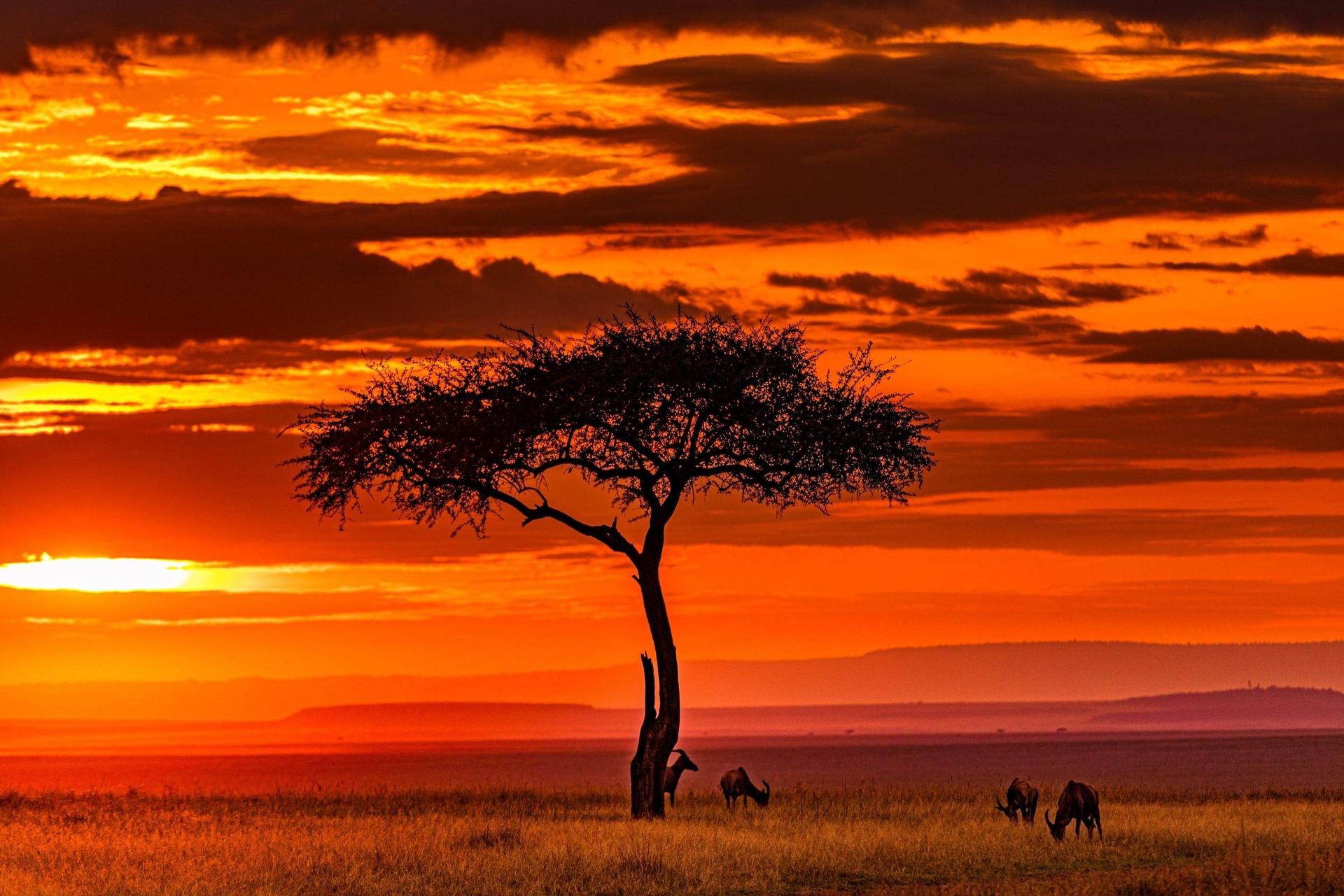
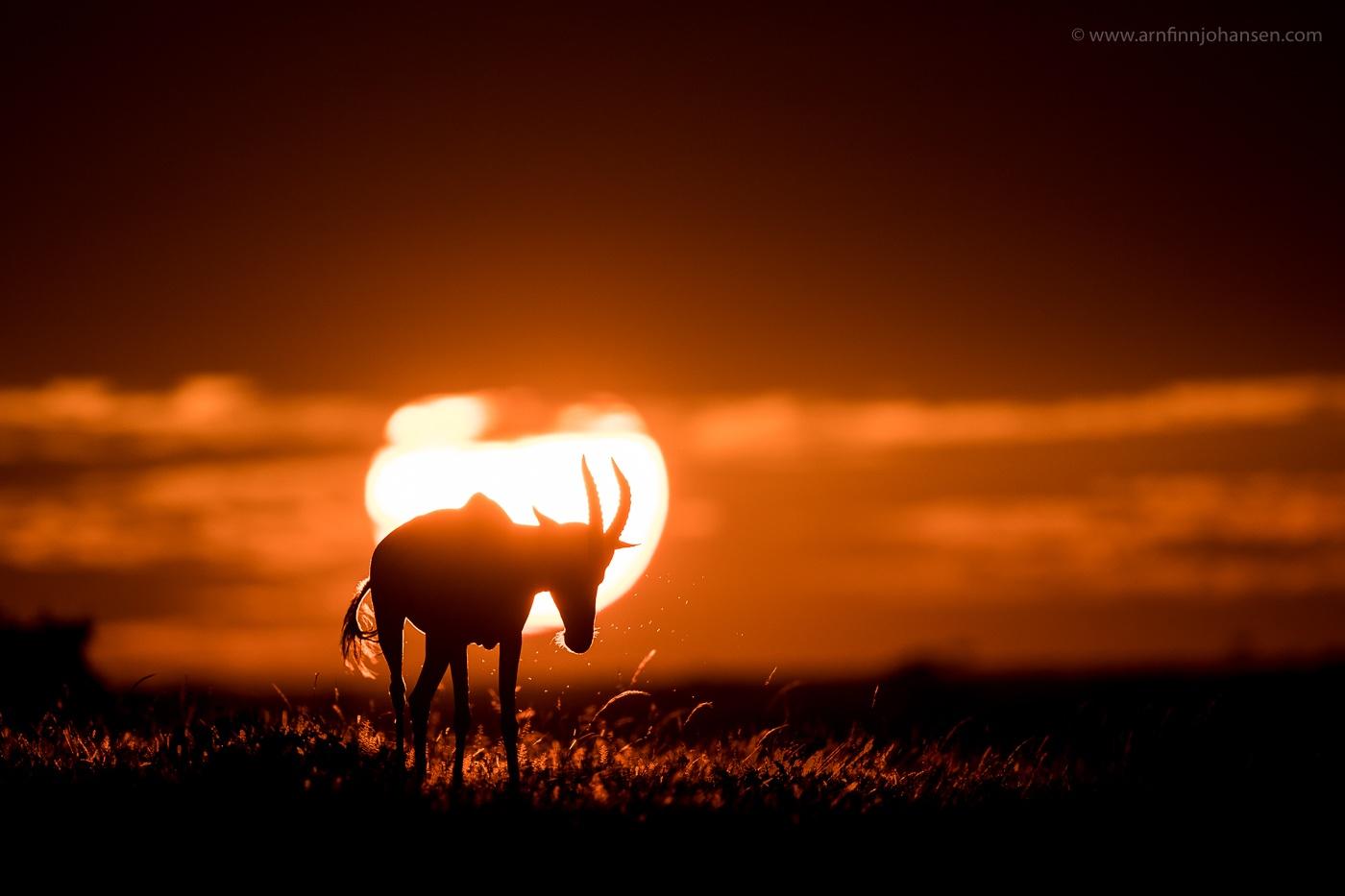
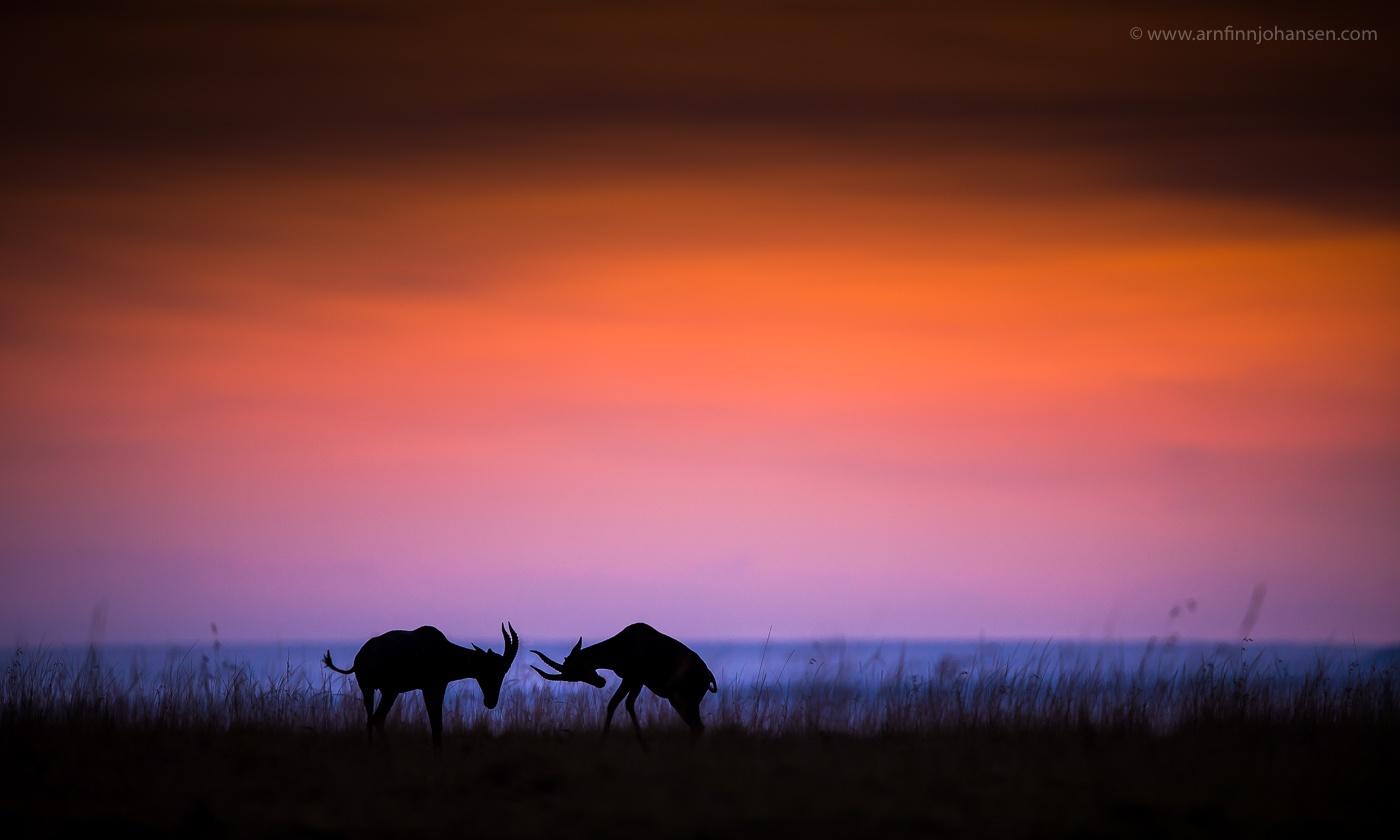
Days are shaped around the wildlife, the light and the photographic moment. From pre-dawn departures to long afternoons on the plains and dramatic light at sunset, you have the freedom to stay with a sighting, wait for behaviour to unfold and work the scene.
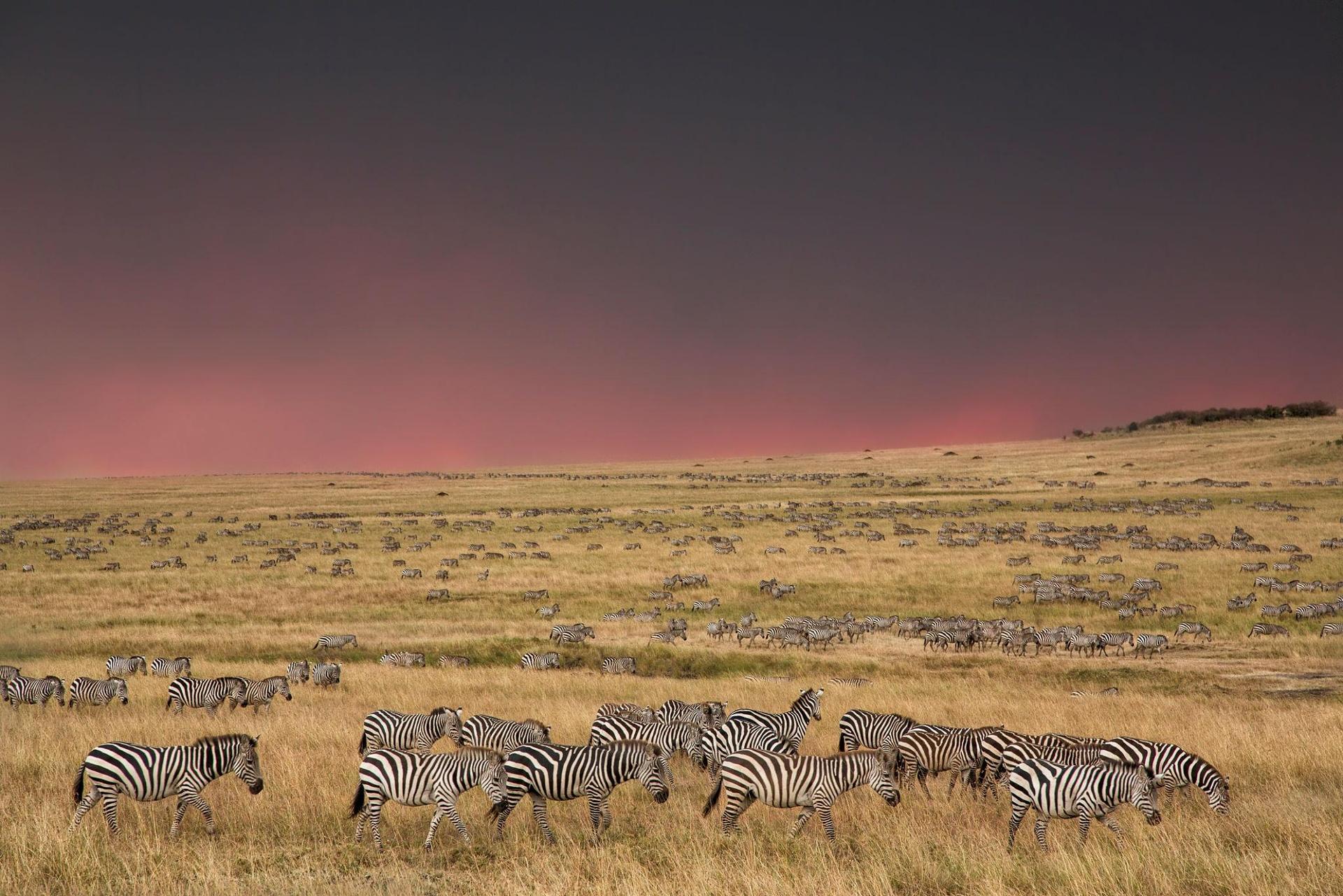
We travel in September, when the dry season concentrates animals around the remaining water and grazing, and the wider Mara ecosystem can offer exceptional concentrations of plains game and predators.
Great wildlife photography is rarely about how many sightings you collect. It is about how long you are willing to stay with a moment.
Come for the wildlife. Stay for the light. Leave with a story.
Pick-up from the airport and check in to the Ramada hotel. Lunch or dinner depending on your arrival time, followed by a short city tour, and an overnight in the capital before we head west.
Fly to Western Mongolia, Khovd city, lunch and drive to Jargalant Khairkhan mountain National Park . See the Khar Us Lake which is about 1.5 hours’ drive from Khovd city. The lake offers the possibility to see many different kinds of migratory birds. This wildlife buffer zone also offers the chance to see wildlife such as bactrian camels, gazelle, wolves and foxes. We will visit a throat singer family and stay in a tourist ger camp.
The first of seven full days dedicated to exploring, photographing and filming some of Mongolia’s most elusive and captivating wildlife.
Our first full day in the Jargalant Khairkhan Mountains begins the main focus of the expedition: searching for the elusive snow leopard.
We will spend the day in carefully selected areas of prime snow leopard habitat, working with experienced local guides and wildlife trackers who know the mountains and their wildlife exceptionally well.
While snow leopards are our primary target, the area is home to a fascinating variety of wildlife. We will also look for gazelles, wild antelopes and Pallas’s cats, with opportunities to photograph and film any wildlife encountered along the way.
Patience is key to successful snow leopard photography, and our extended stay gives us valuable time to wait, observe and respond to fresh sightings and tracks.
Today is dedicated entirely to the continued search for snow leopards.
Rather than moving on to another destination, we remain within the same wildlife-rich region, exploring different areas according to recent sightings, tracks, weather and local knowledge.
This approach gives us the flexibility to spend more time in productive locations and significantly increases our chances of encountering these magnificent and highly elusive cats.
There will also be further opportunities to photograph Pallas’s cats, gazelles, antelopes and other mountain wildlife.
We continue our intensive wildlife search, focusing on both snow leopards and Pallas’s cats.
The rugged terrain and varied habitats of the Jargalant Khairkhan Mountains provide opportunities to explore areas where these elusive species may be active.
Today we will also search for the remarkable Mongolian saiga, one of Mongolia’s most distinctive and rare mammals.
With our cameras ready throughout the day, every journey into the mountains has the potential to produce memorable wildlife encounters and exceptional photographic opportunities.
A full day of exploration in the mountains, searching for snow leopards and Pallas’s cats.
We will explore different potential areas within the mountain range, adapting our plans according to wildlife activity and information from our trackers.
The advantage of spending several consecutive days in the same region is that we can respond to new information and concentrate our efforts where the chances of sightings are strongest.
Alongside our main targets, we will continue to look for the many other species that inhabit this spectacular landscape.
Another full day dedicated exclusively to the search for the elusive snow leopard.
This gives us valuable additional time in the mountains and, importantly, the flexibility to return to areas where fresh tracks, signs or previous sightings suggest the best opportunities. We can spend longer watching likely slopes, ridgelines and rocky valleys and adapt our plans according to the latest information from our experienced local trackers.
The focus will be on finding, observing and photographing snow leopards in their natural environment, while maintaining a respectful distance and minimising disturbance to the animals.
We will also remain alert for Pallas’s cats, ibex, wild argali sheep, gazelles, saiga and other wildlife that may be encountered during the day.
Success often comes down to time, patience, local knowledge and being in the right place when an opportunity arises.
An additional full day in pursuit of the elusive snow leopard.
With another day dedicated entirely to the search, we have the rare privilege of time and flexibility in this extraordinary mountain wilderness. We can return to areas where fresh tracks, signs or recent sightings suggest the greatest potential, allowing us to settle in and patiently watch promising slopes, dramatic ridgelines and remote rocky valleys.
Our experienced local trackers will continually assess the latest signs and observations, enabling us to adapt our movements and focus our efforts where conditions are most favourable. In snow leopard country, patience is everything, and this additional time gives us the opportunity to immerse ourselves fully in the landscape and wait for one of nature’s most elusive predators to reveal itself.
The ultimate goal is an unforgettable encounter — observing and, if fortune allows, photographing a snow leopard in its pristine natural habitat. Throughout, we will maintain a respectful distance and take every care to minimise our presence and disturbance, ensuring that the welfare of these magnificent animals remains paramount.
Our final full day in the national park will focus on the Pallas’s cat, one of the world’s most fascinating and elusive small wild cats.
We will explore different parts of the park and surrounding mountain habitat, searching areas that offer the best potential for sightings and photography.
After a full day in the field, we drive back to Khovd in the evening.
Tonight we move from the ger camp to the Mountain Hotel, a brand-new luxury hotel in Khovd, providing a comfortable and relaxing end to our time in the mountains.
Today we experience another extraordinary aspect of Mongolian culture: traditional eagle hunting.
Local eagle hunters and huntresses will come to Khovd specifically for our group, meaning there is no need to spend the day travelling to another location.
This provides an exceptional opportunity for photography and cultural interaction. You will be able to photograph the eagle hunters in traditional clothing, with their magnificent golden eagles both on the arm and while mounted on horseback.
The experience will also include demonstrations of traditional eagle training, such as:
Calling the eagle from a distance
Calling the eagle towards a fox skin
Feeding and training techniques
Eagle handling and interaction
Photography with the hunters, horses and eagles
This is a wonderful opportunity to learn more about the centuries-old relationship between Mongolian eagle hunters and their birds of prey while creating some truly memorable images.
Transfer to Chinggis Khaan International Airport for your flight home.
Fly from Khovd to the capital and explore the city’s highlights: the Chinggis Khaan National Museum, Zaisan Memorial, cashmere shops and the famous Black Market, along with some of Ulaanbaatar’s distinctive culinary influences. We come together in the evening for a farewell dinner.
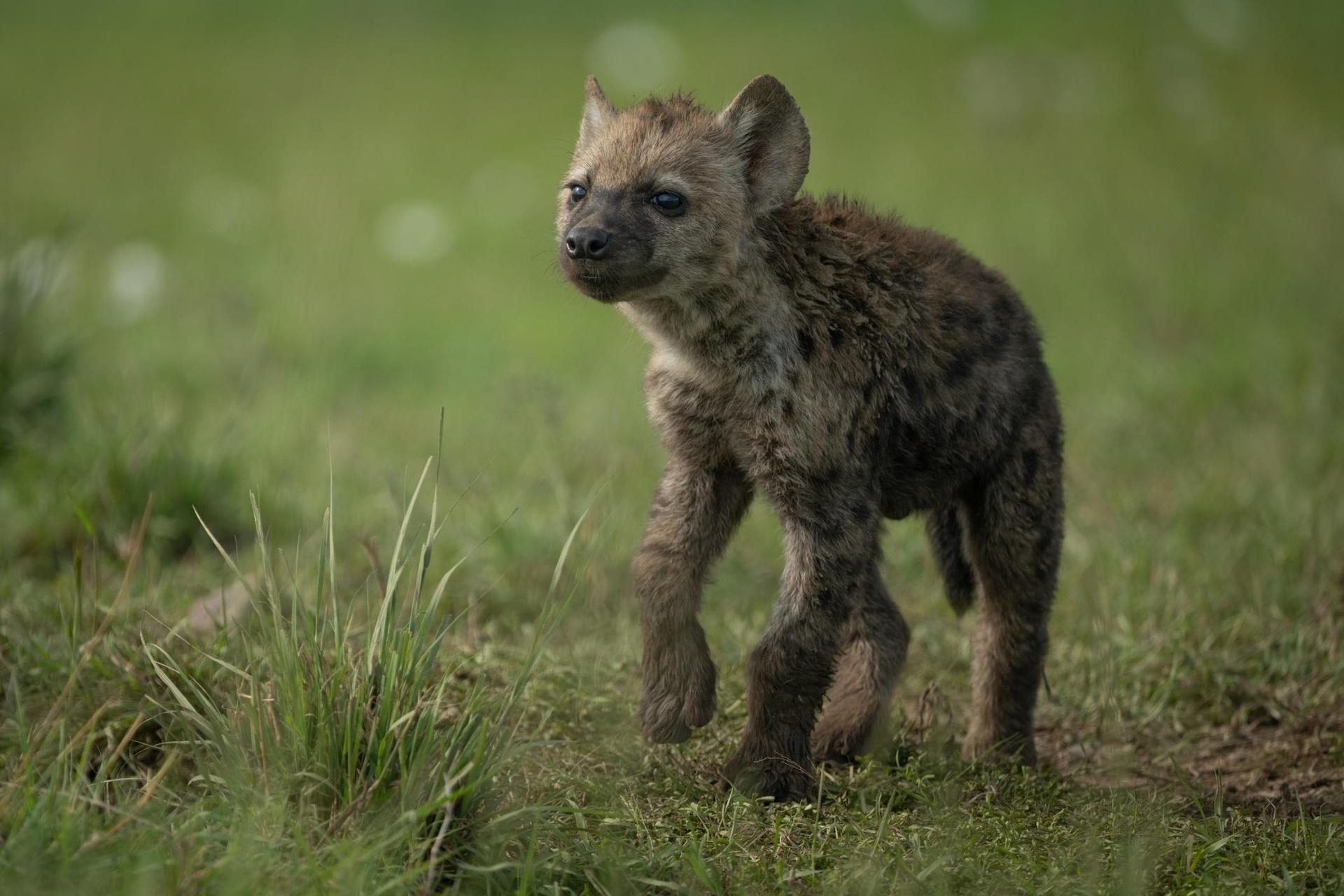
In September the dry season concentrates animals around the remaining water and grazing, and the wider Mara ecosystem can hold exceptional numbers of plains game and the predators that follow them.
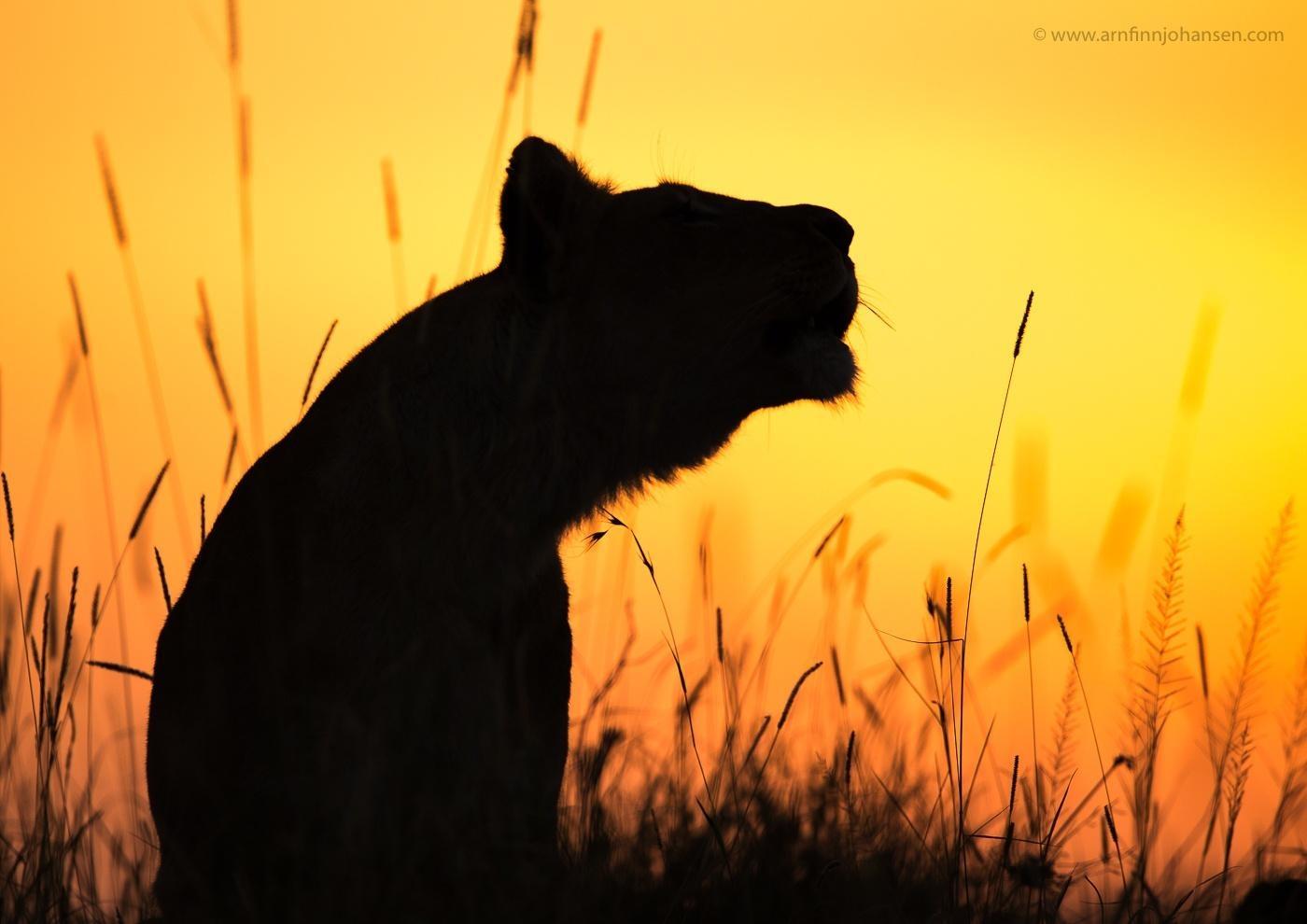
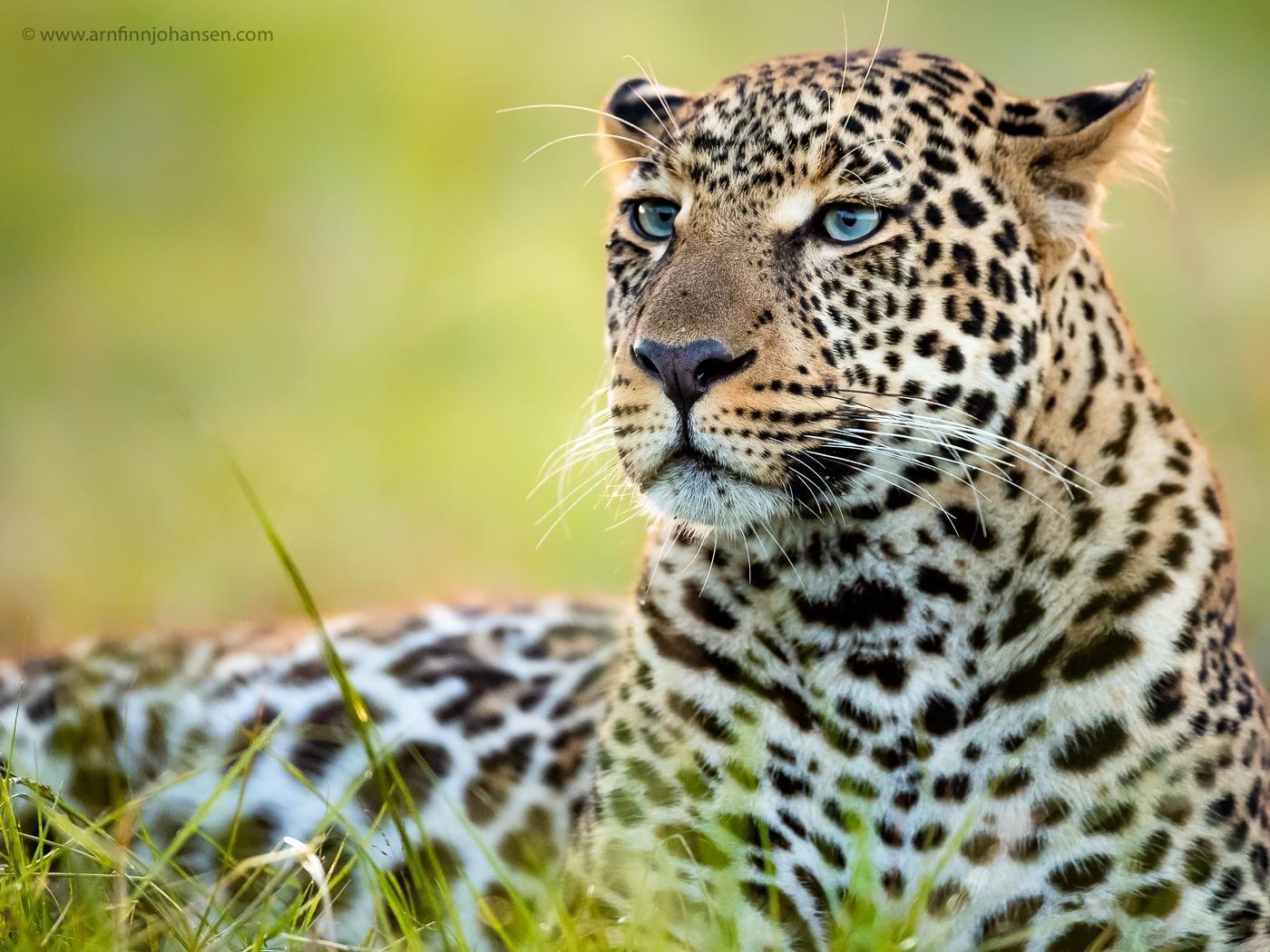
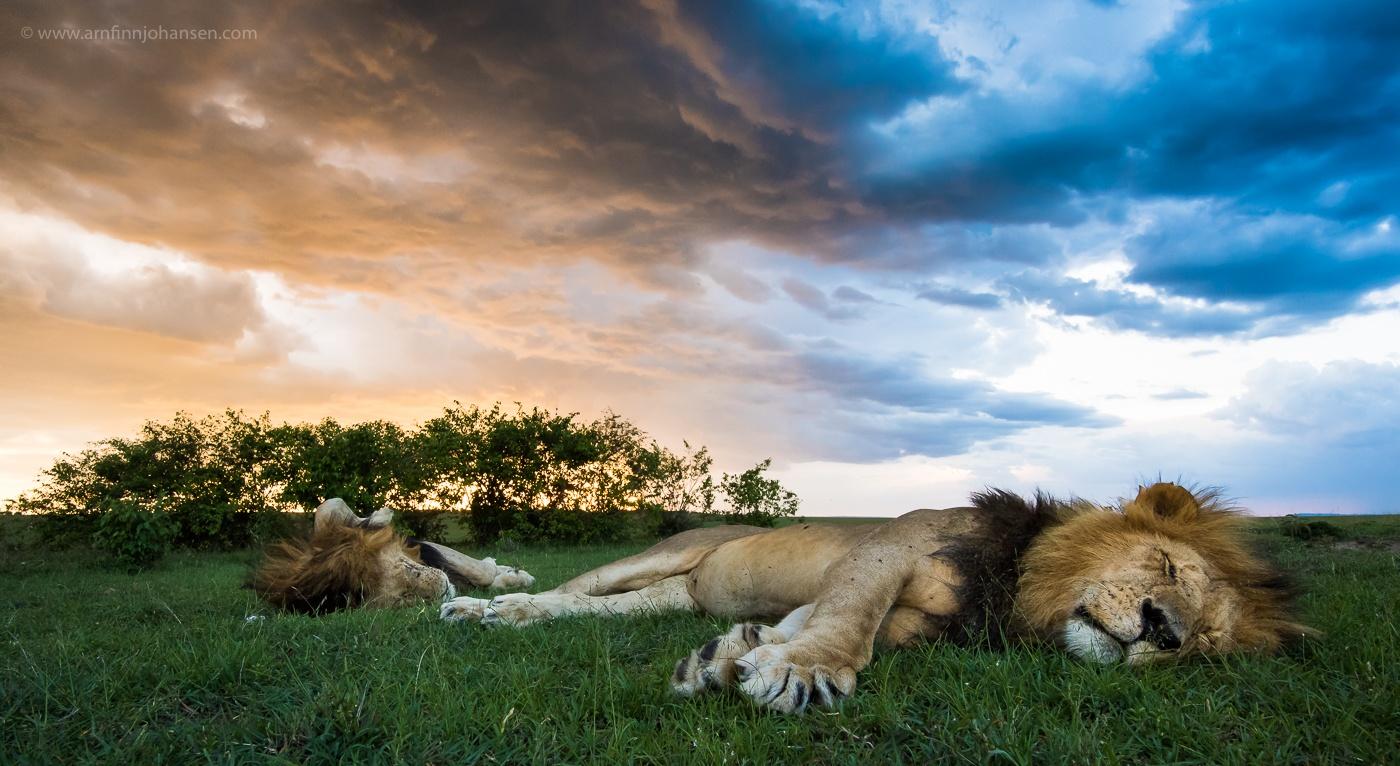
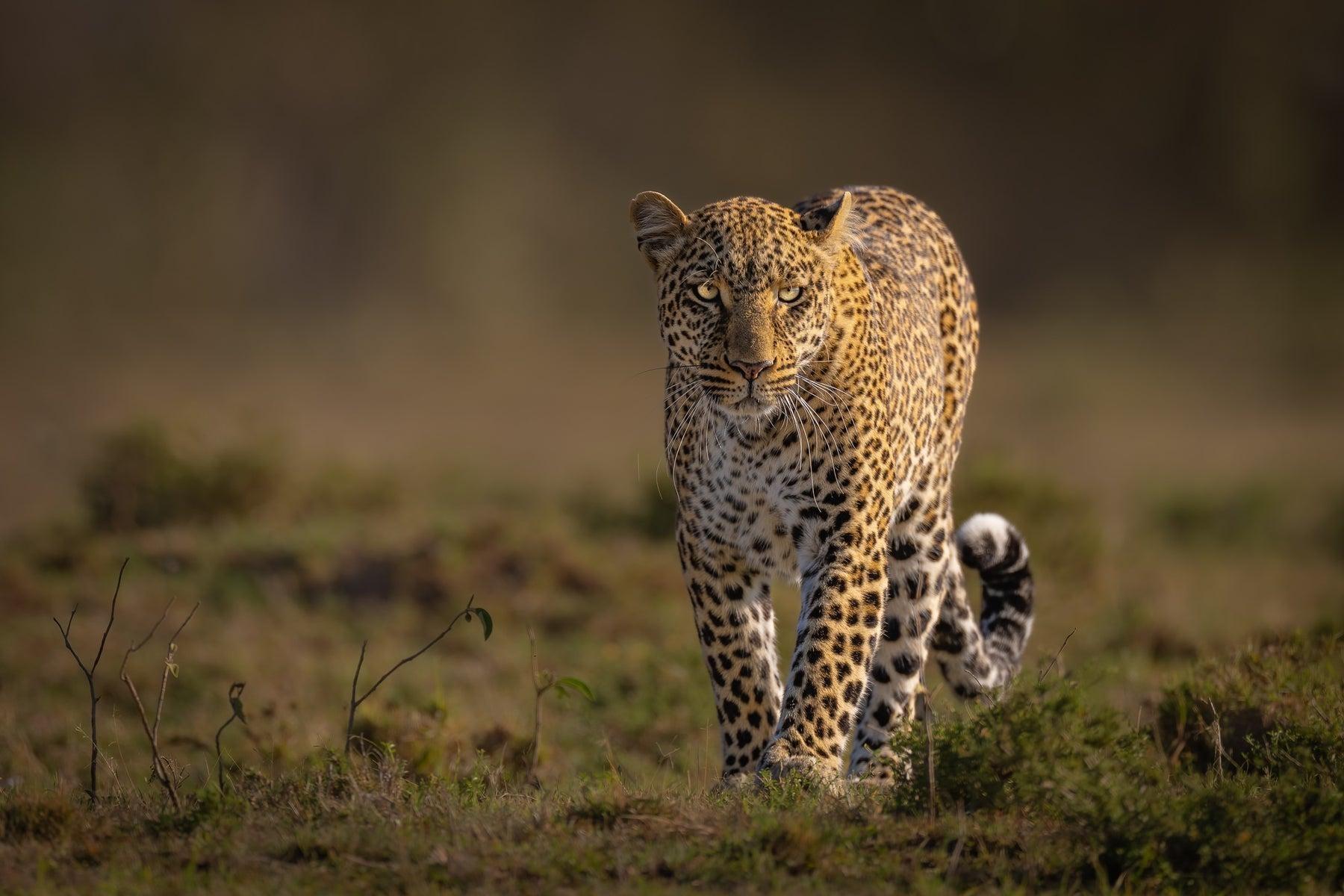
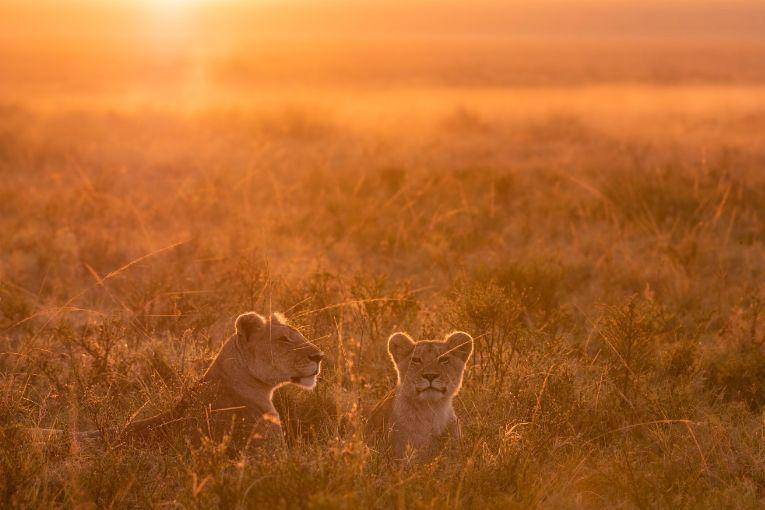
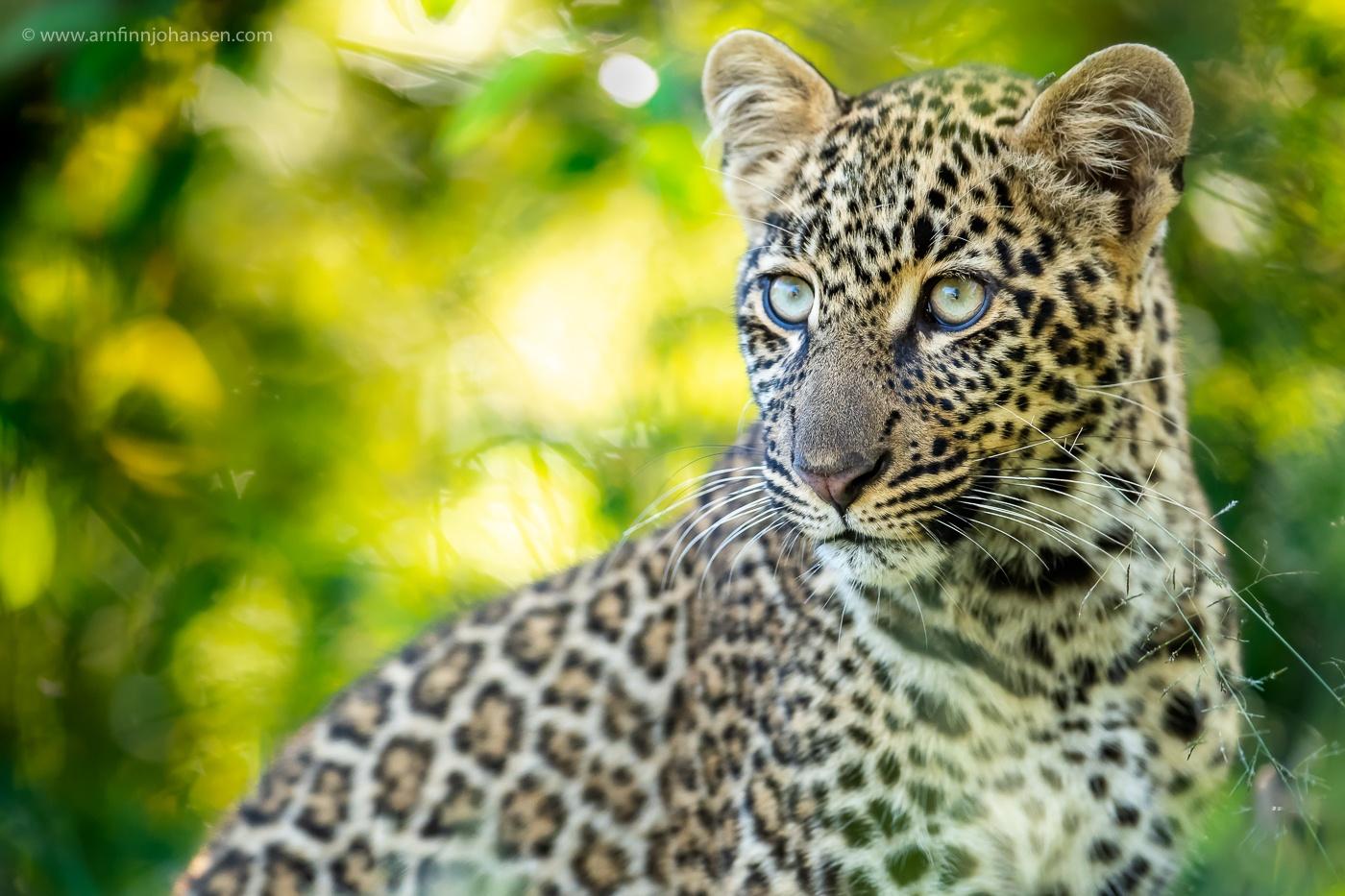
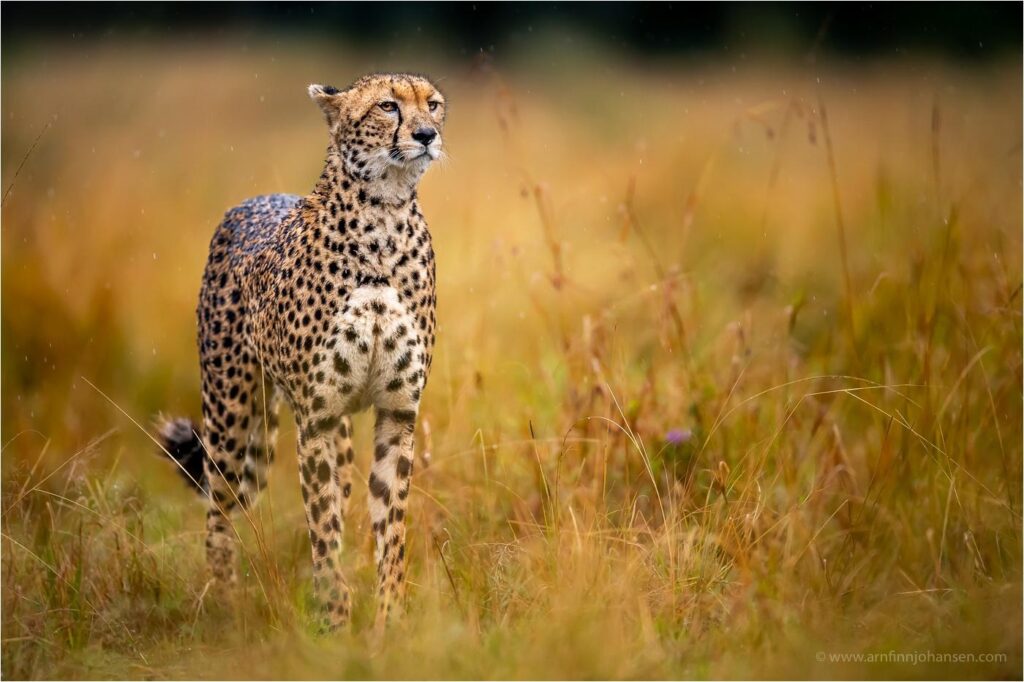
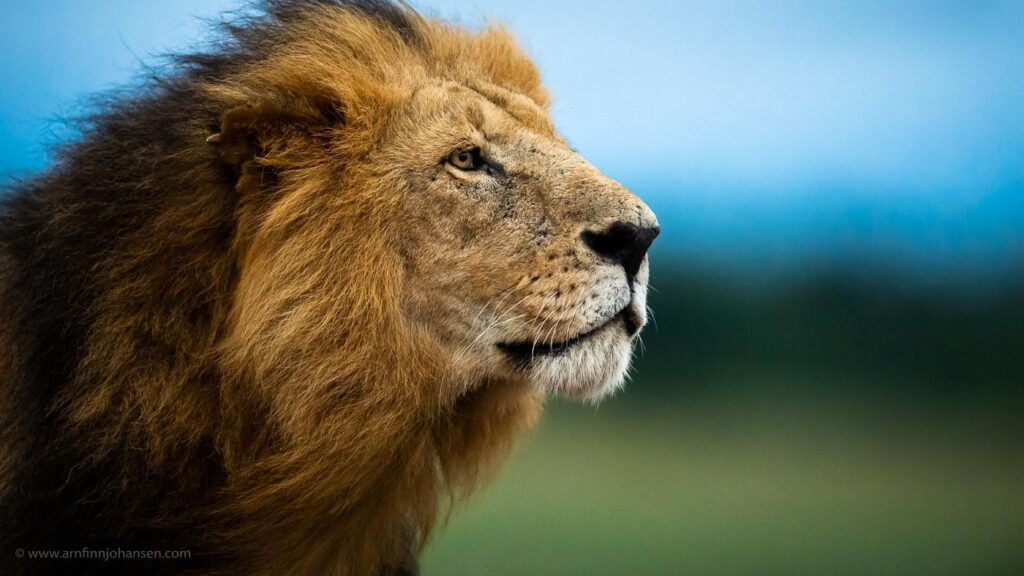
Your guide reads tracks, alarm calls, bird activity and fresh kills, then positions for the light. A lion rising from the grass, a cub approaching, a leopard descending a tree, two predators interacting: these are the moments we wait for.
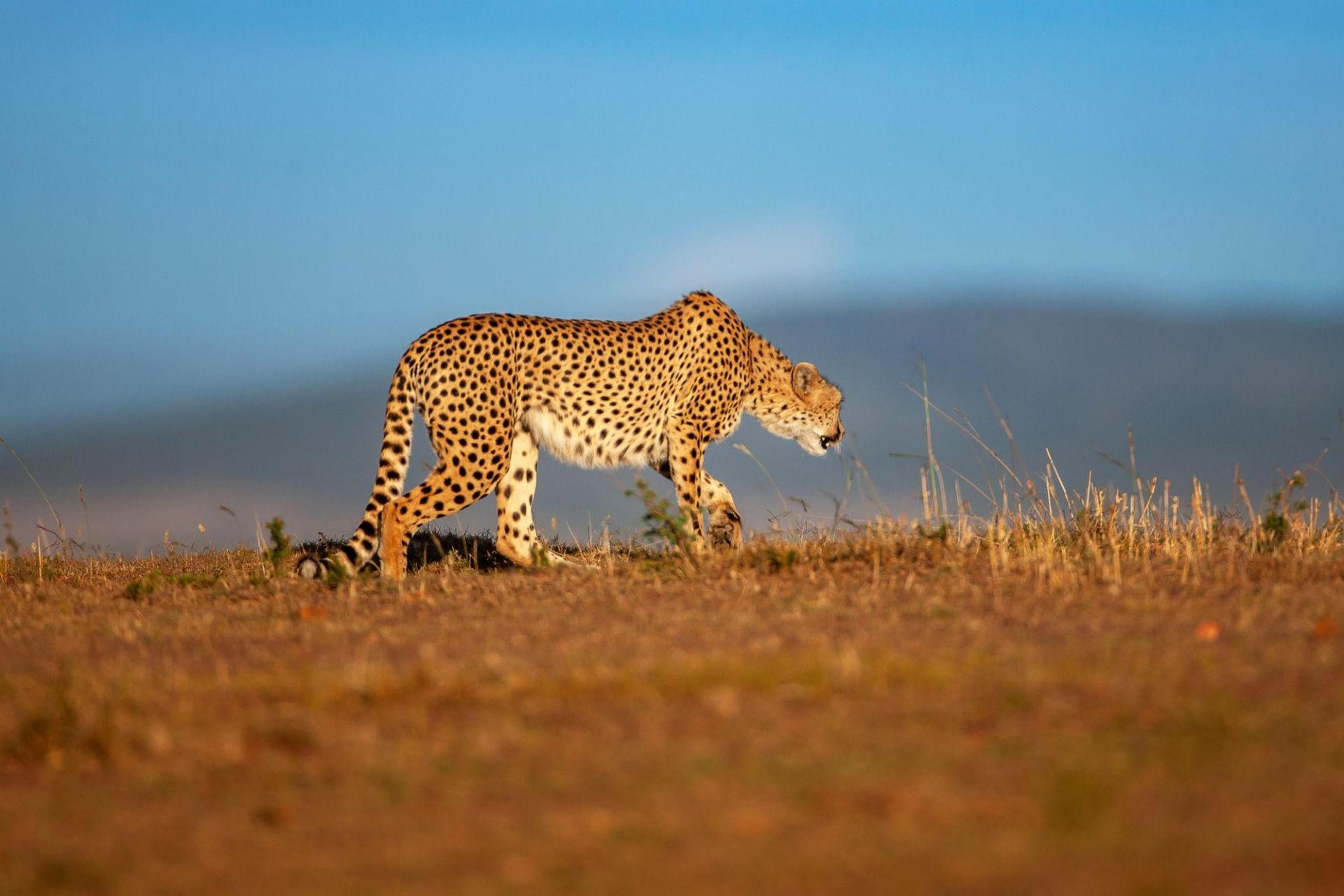
For photographers who prefer to travel light, especially with strict bush-flight weight limits, a 100–400mm or 100–500mm zoom can be an exceptional single-lens safari solution. It covers a relatively close lion or elephant through to a distant cheetah, and lets you recompose quickly as the animal moves.
The advantage is speed and simplicity: no lens changes, less to carry, more time with your eye on the action. Starting at 100mm gives far more flexibility than 300mm when a large animal approaches the vehicle.
The trade-off: these lenses are slower than a 70–200mm f/2.8 or 300mm f/2.8, so they may not perform quite as well in the very low light of dawn and dusk.
f/2.8 matters when you are chasing those magical first- and last-light images.
For many guests, a 100–500mm-type zoom is our one-lens recommendation over a 300mm+ prime: going from a wide environmental frame to a tight cheetah portrait without a lens change is invaluable when the action is unpredictable.
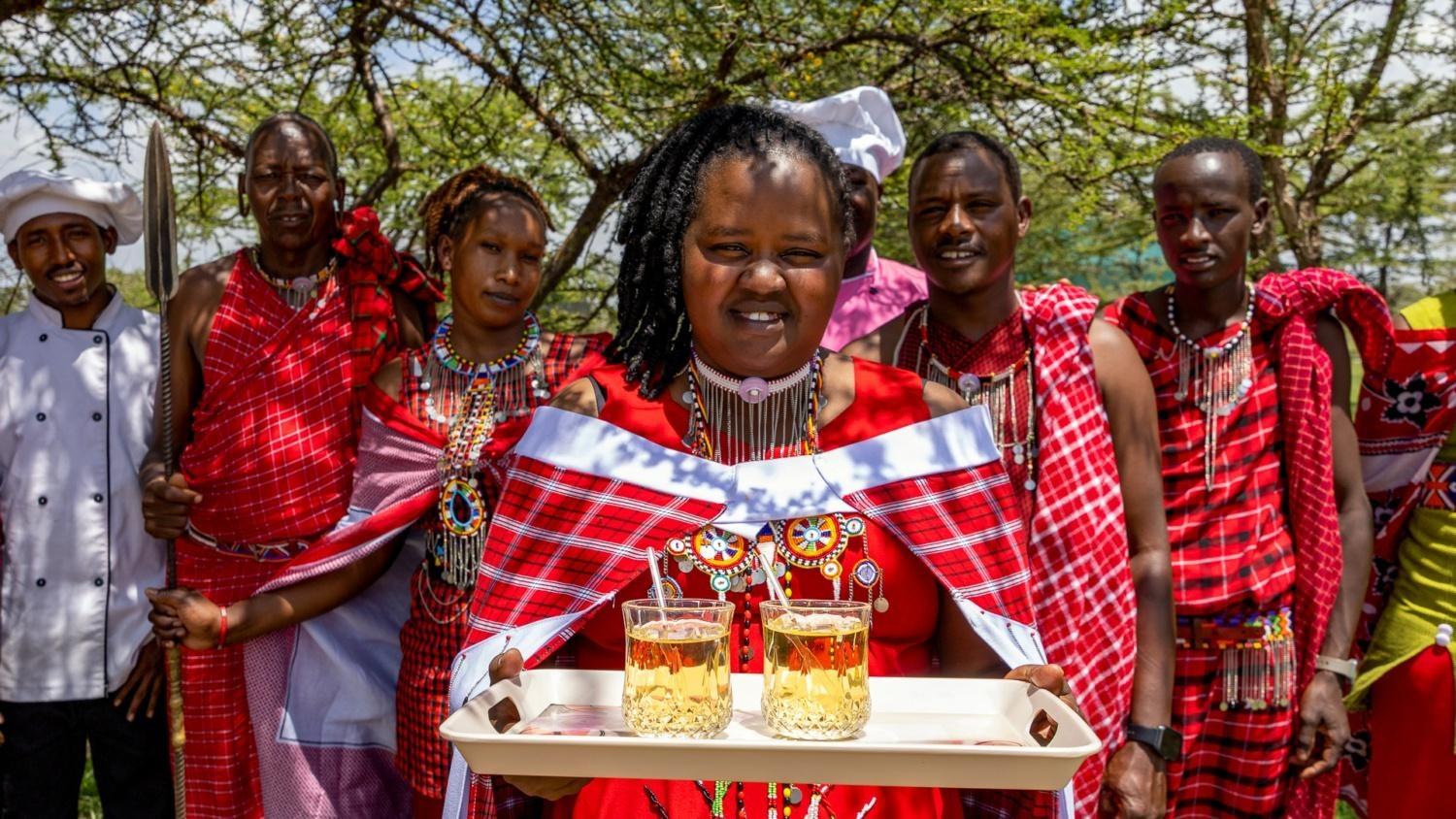
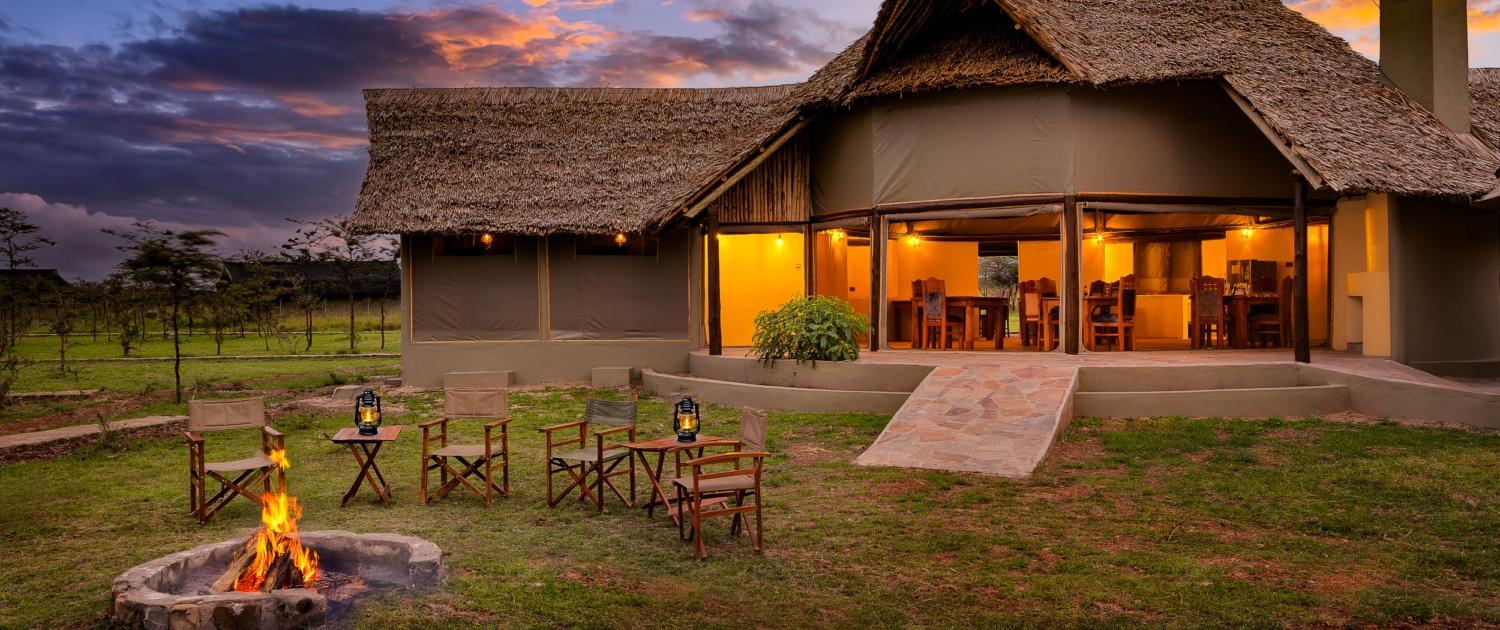
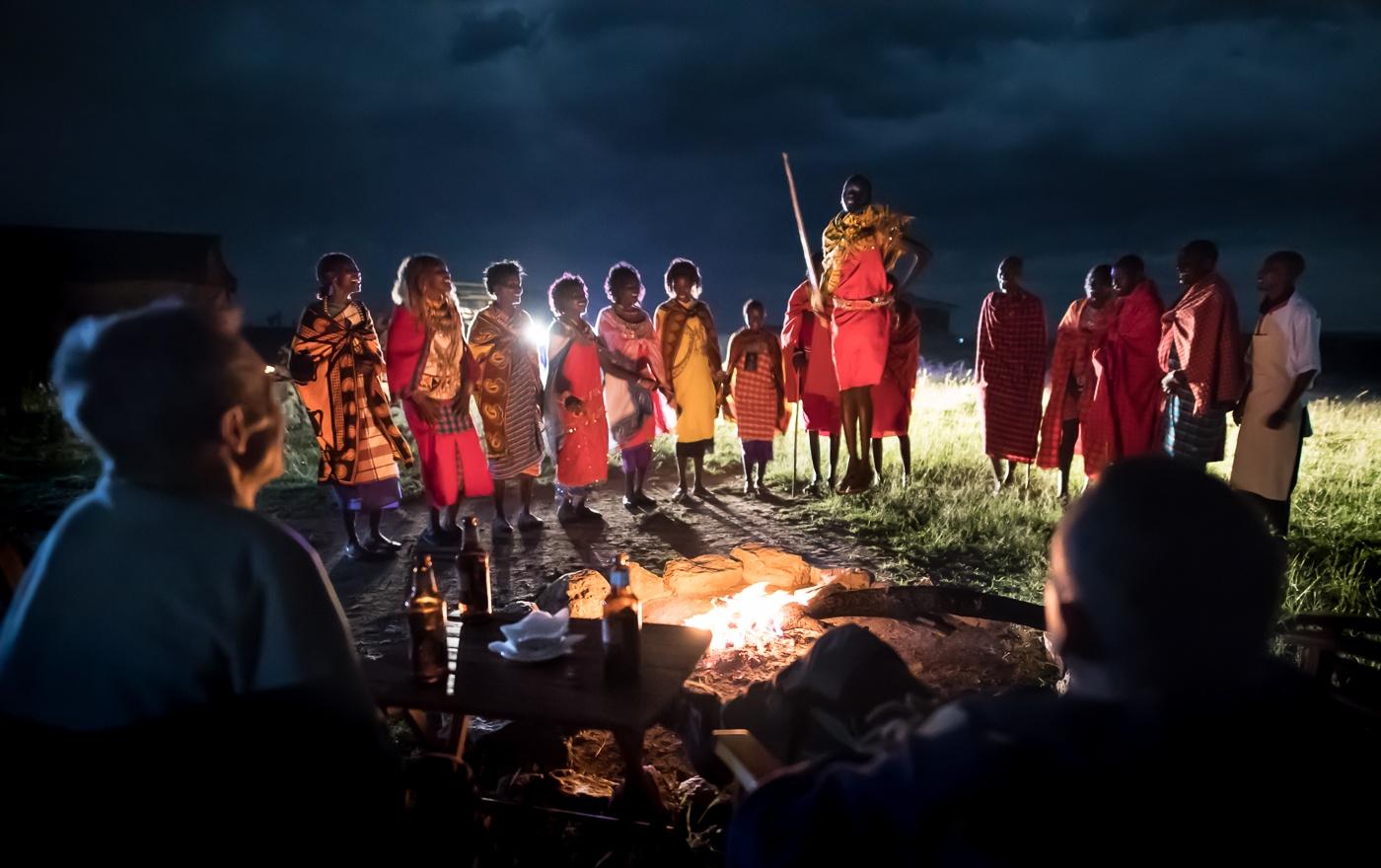
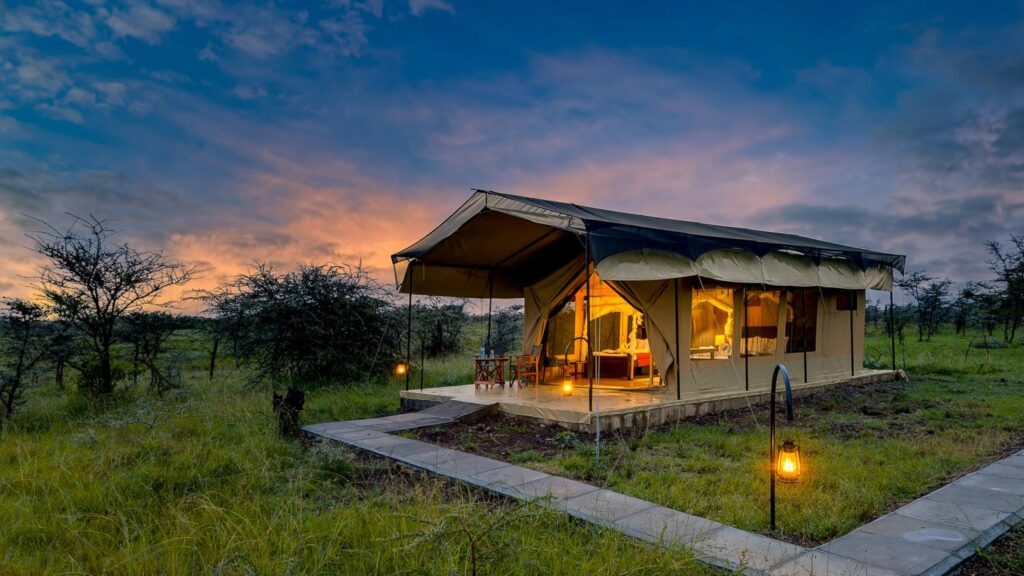
The camp sits in Oltepesi Village, a genuine Maasai village about five minutes from the border of the Maasai Mara National Reserve, so alongside the wildlife you experience the Maasai people’s traditional culture.
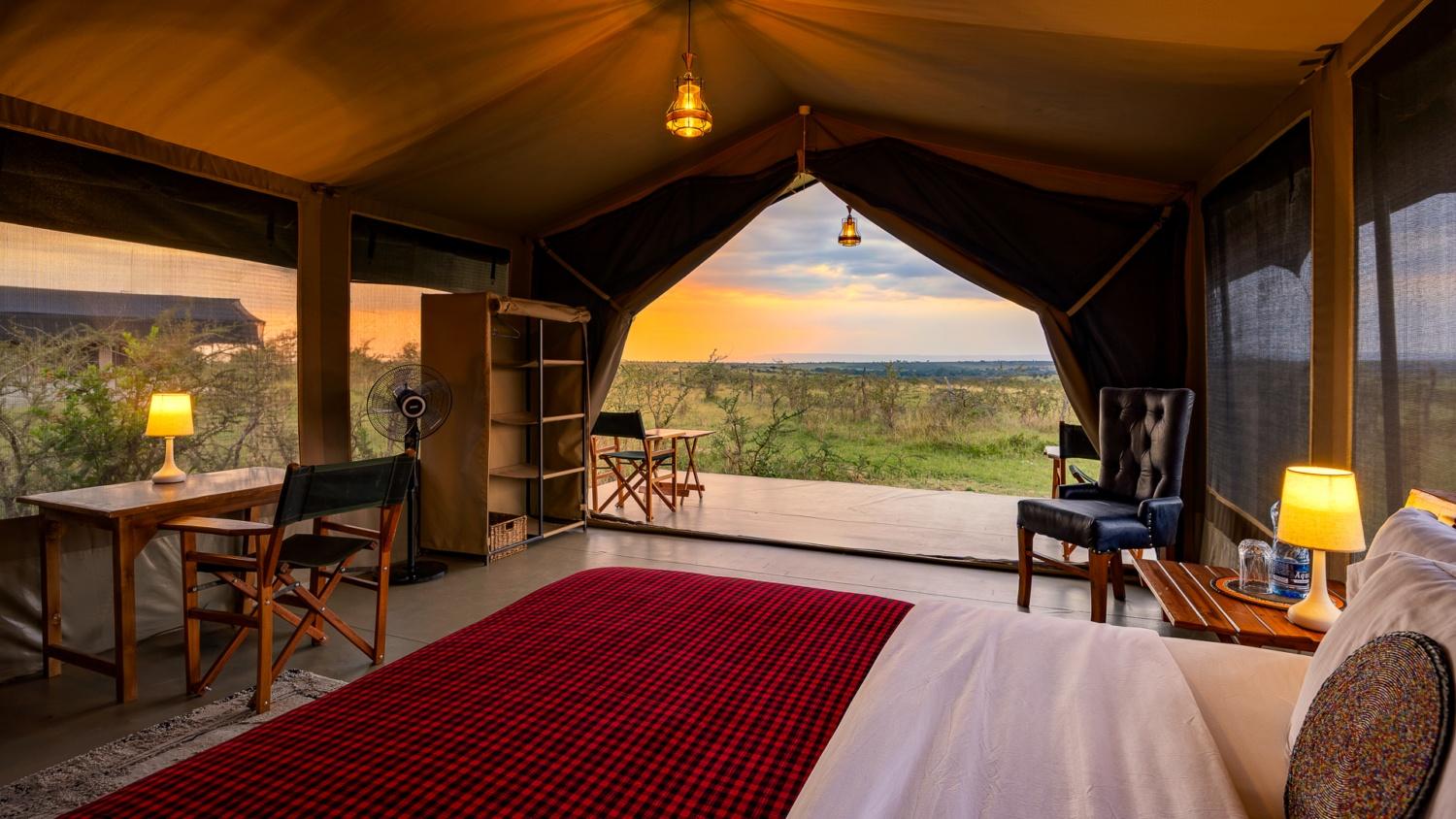
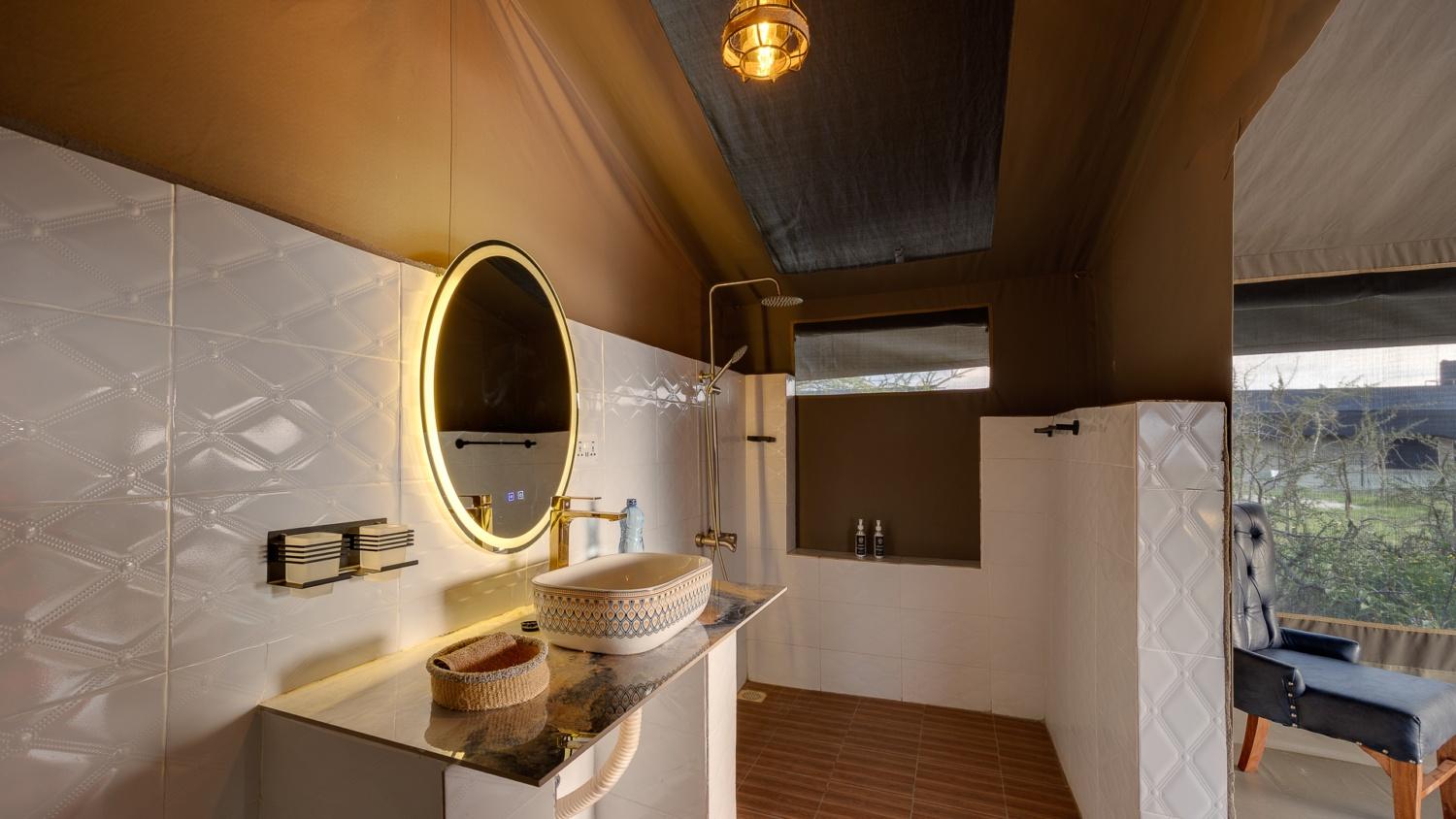
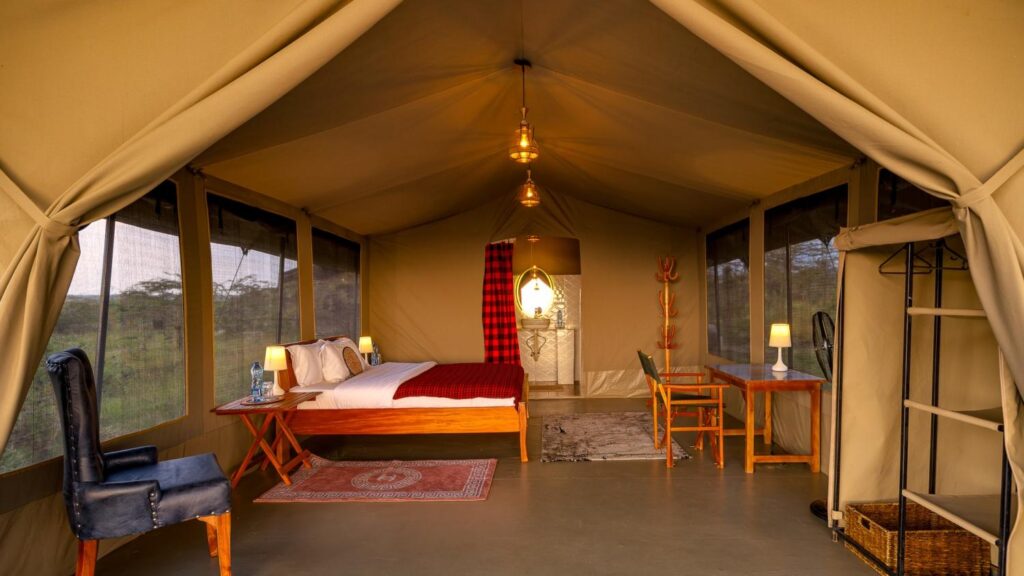
Comfortable safari tents, a welcoming boma, good food and the warmth of the local Maasai team make it the place to relax, recharge batteries and relive the day’s encounters.
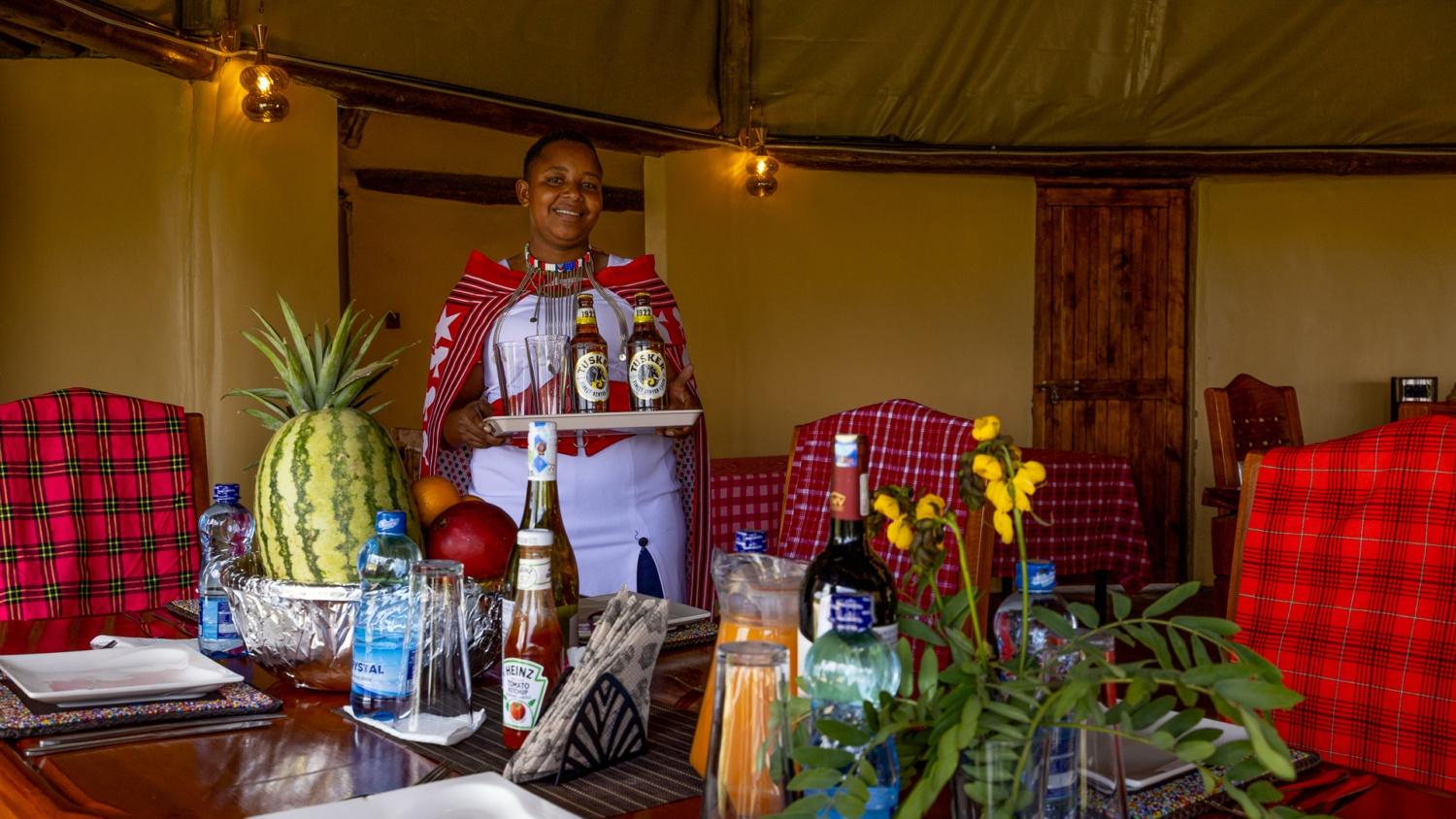
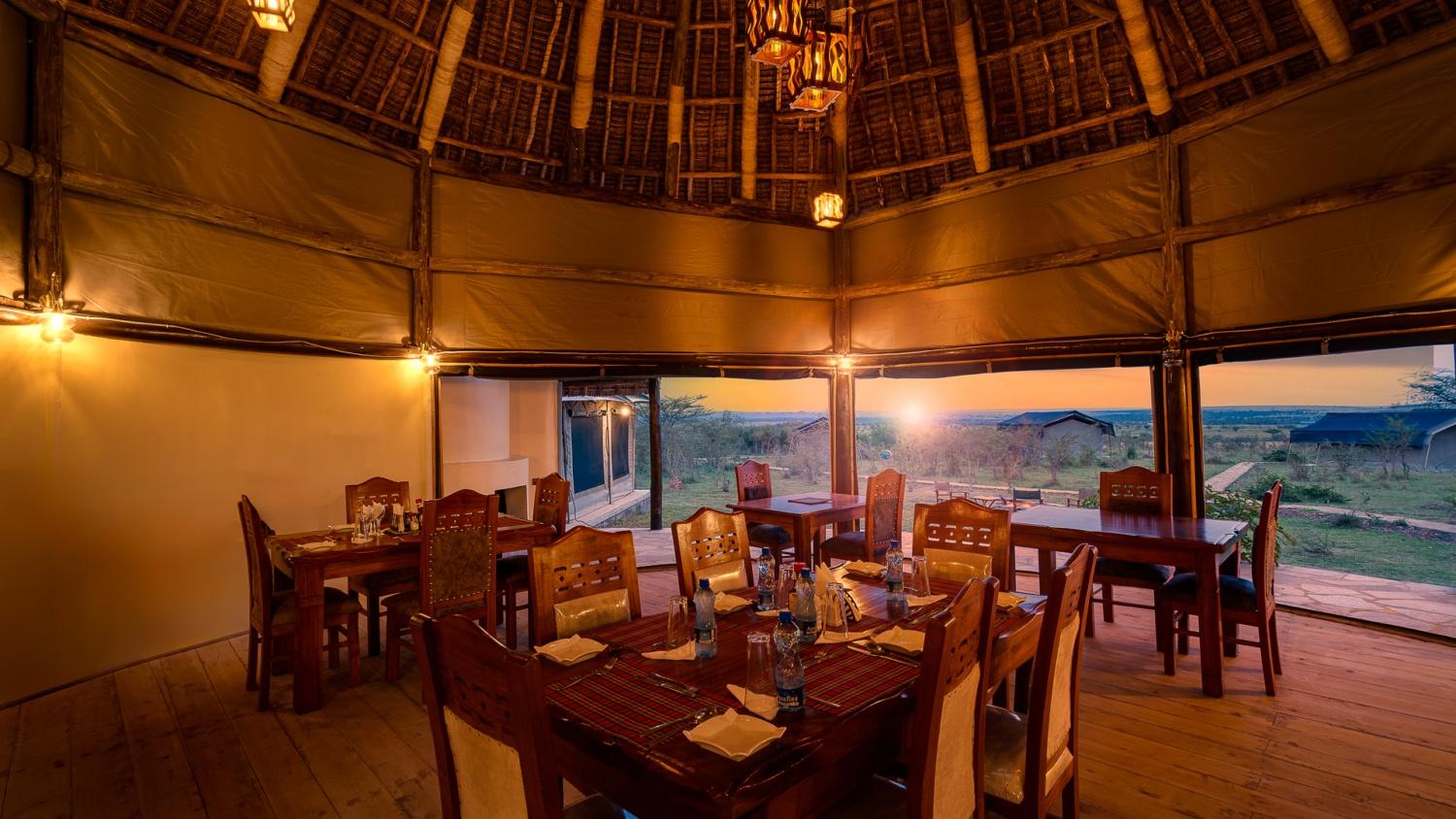
The restaurant at the heart of camp. Safe, delicious western-style food from a skilled chef; any dietary requirements accommodated.
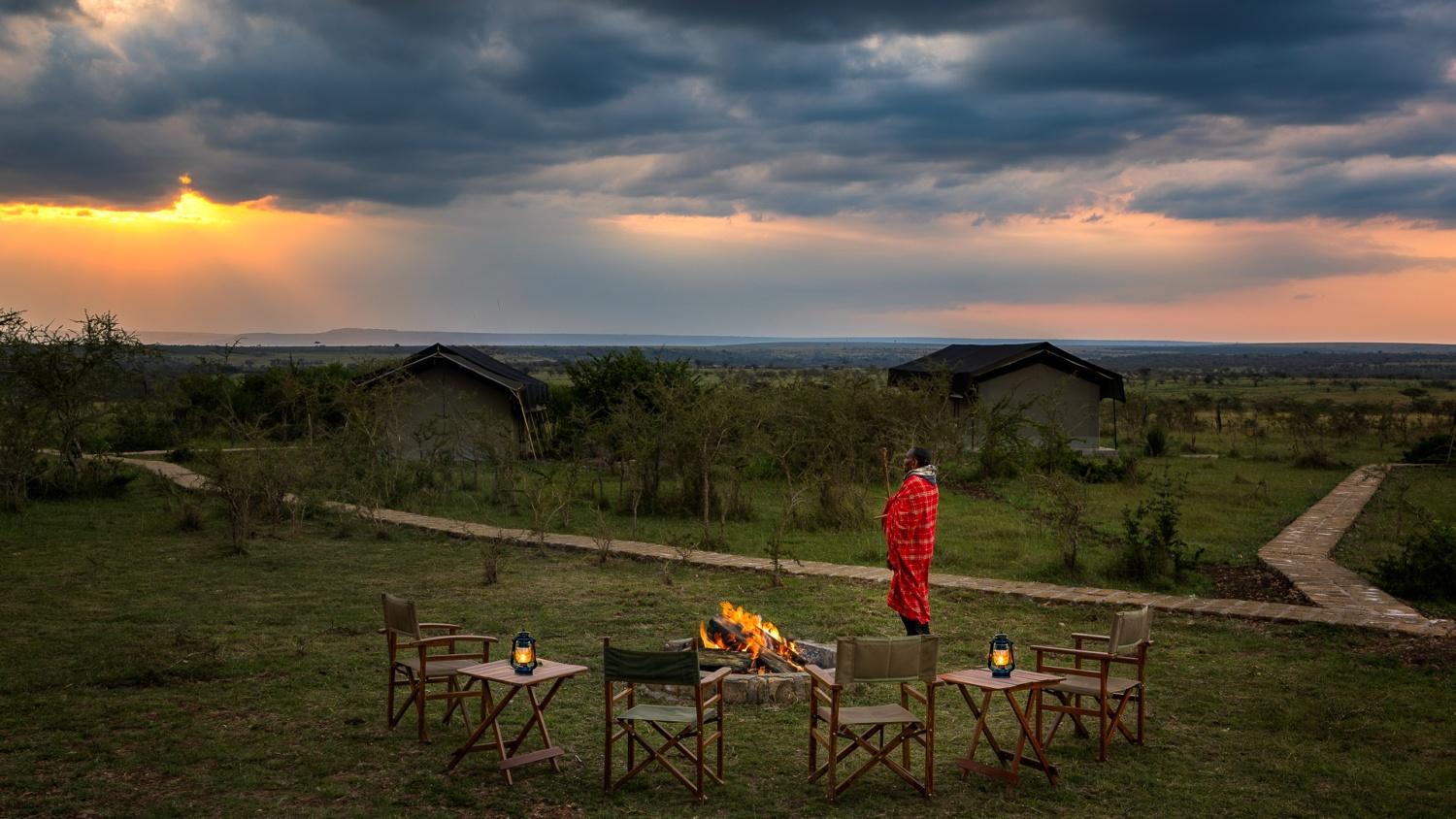
Chairs around the fire facing the western sunset, for a drink before dinner.
Download and edit, charge batteries, or relax. A large screen for tutorials, presentations and sharing images.
Built in 2017 specifically for wildlife photographers.
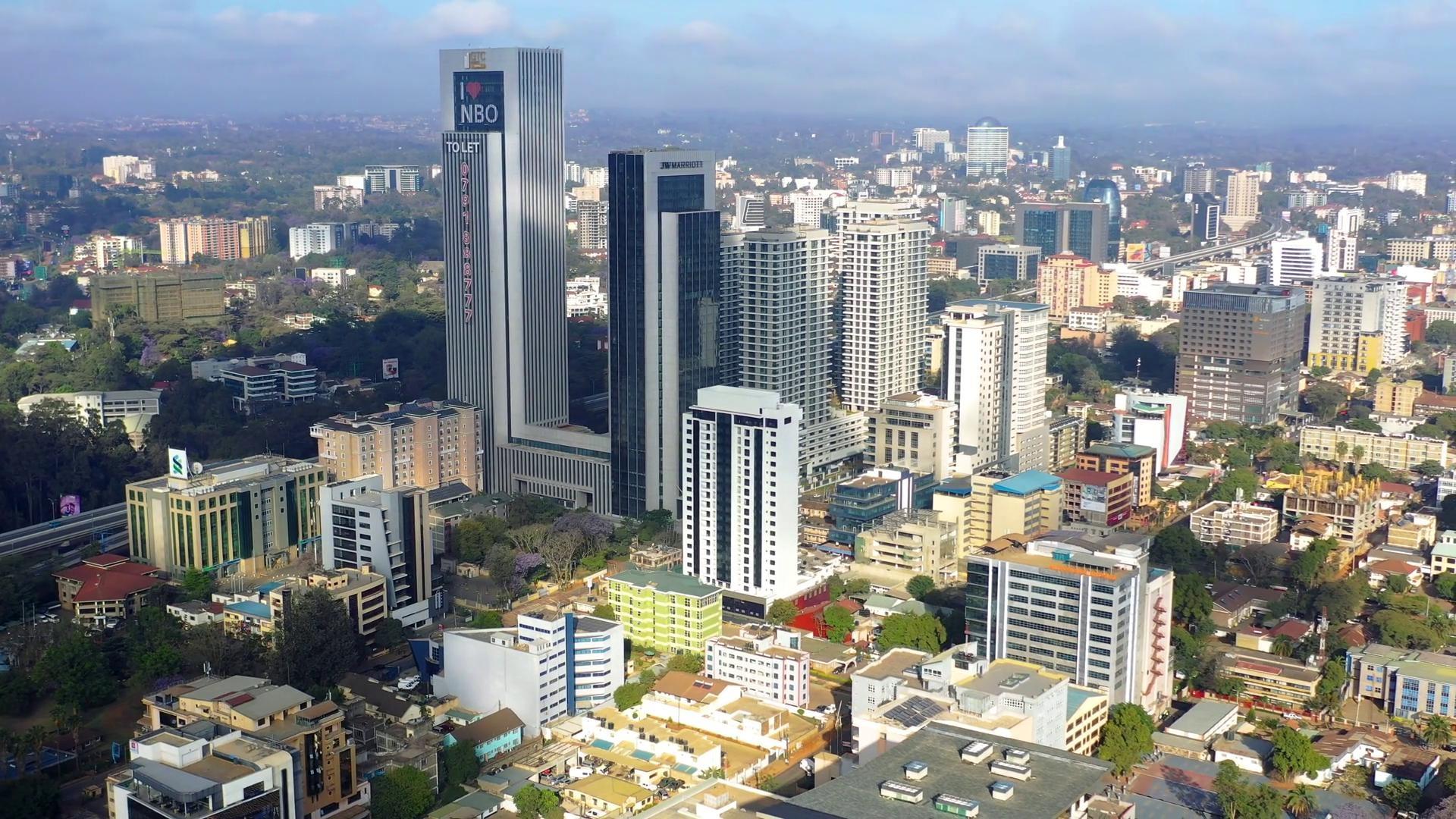
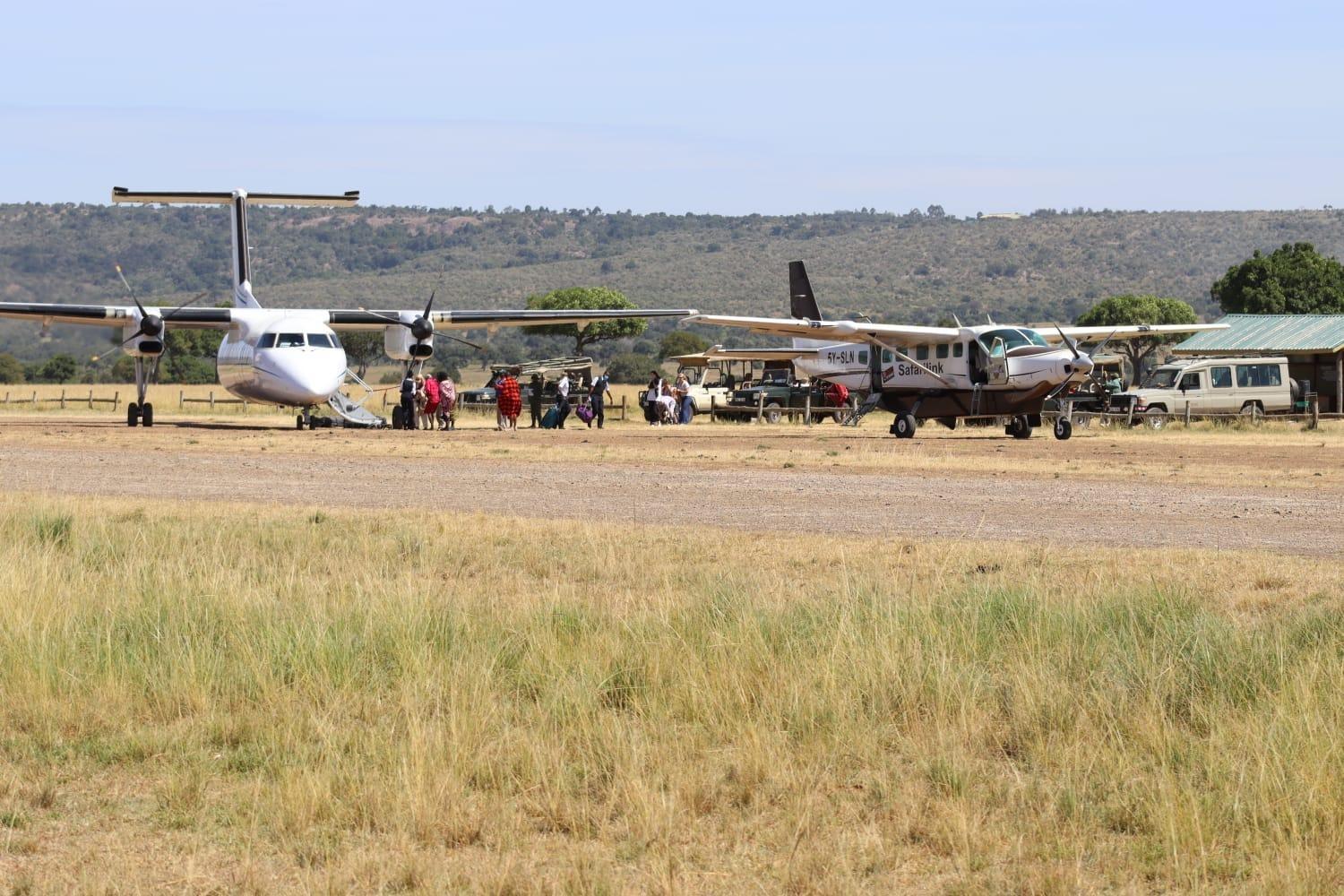
Arrive into Nairobi on 10 September, where you are met and transferred to your hotel for the night. The next morning, transfer to Wilson Airport for the bush flight to Mara Olkiombo Airstrip, followed by a game-drive transfer to camp.
Embakasi, Nairobi, Kenya
Aitong, Kenya
Scheduled: 15 kg total per person, everything included (Safarilink / Air Kenya)
Charter: usually 15–20 kg, still strict
Bag: soft duffel only; hard cases are often refused
Carry-on and camera gear count toward the total, and bags may be weighed at Wilson Airport. Aim for 12–13 kg packed to give yourself margin, wear your heaviest items, and leave spare luggage in Nairobi storage.
Soft bag and light packing. See the Lenses tab for a one-lens setup that keeps you inside the limit.
Our team has over 100 years’ combined experience in guiding, photography and conservation. Getting the shot is rarely as easy as it looks — in nature, things happen in their own time. We show you how knowing your subject and having patience reaps its rewards.