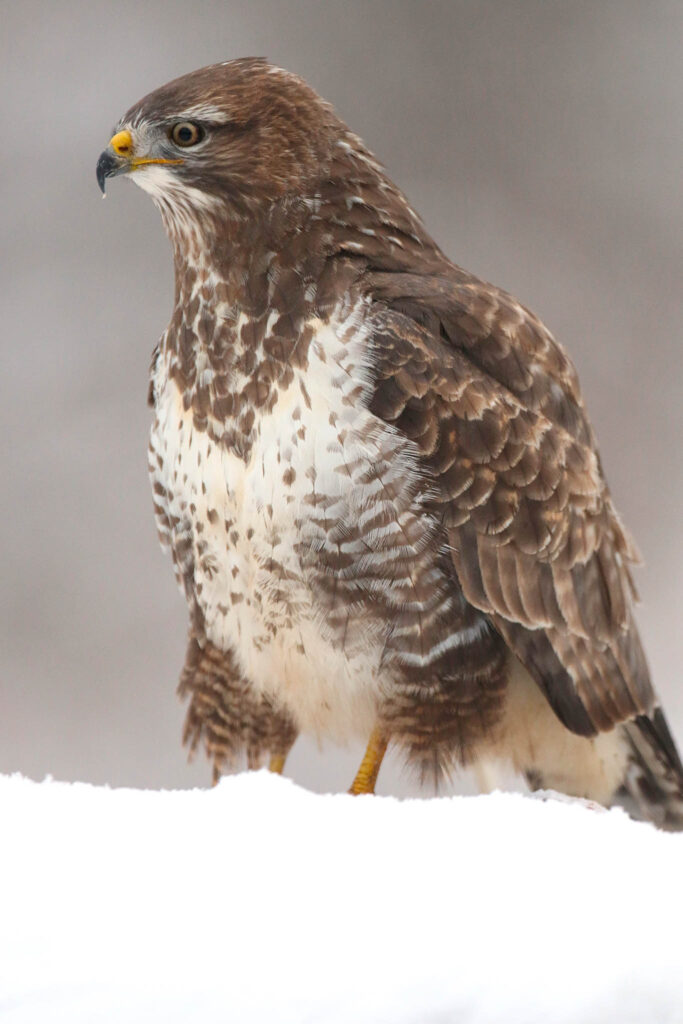
Wildlife photographers obsess over gear: lenses worth more than cars, camouflage patterns designed for every season, and tripods engineered with aerospace precision. Yet one element is almost always overlooked, the quality of the one-way photographic glass between photographer and animal. Inside a hide, that silent barrier is everything. It determines whether you walk away with a crisp, detailed portrait or a soft, disappointing frame.
In recent years, one name has consistently risen to the top among photographers who rely on hide-based shooting: Photo Logistics. Their one-way photographic glass has earned a reputation so strong it borders on legendary.
Not all one-way photographic glass is created equal. In wildlife hides, poor-quality glass can soften details, warp edges, or introduce subtle distortions that undermine even the most carefully composed shot.
A respected guide on hide construction warns that inferior glass often results in images that look “distorted or not quite sharp enough.”
For wildlife photographers, that thin barrier between camera and subject can make the difference between a portfolio-worthy image and a missed opportunity.
Photo Logistics have overcome all these problems.
To find out, we spent time shooting through it, speaking with experienced hide operators, and comparing it to several other one-way glass options.
The Promise: Invisible, Yet Perfectly Clear
Most one-way glass is designed for security or architecture, not photography. Those industries prioritize reflectivity and privacy not optical fidelity. As a result, photographers often struggle with:
Their mission was simple: Allow animals to behave naturally while enabling photographers to shoot as if no barrier exists at all.
To achieve this, they tested dozens of coatings, tint levels, and glass thicknesses.
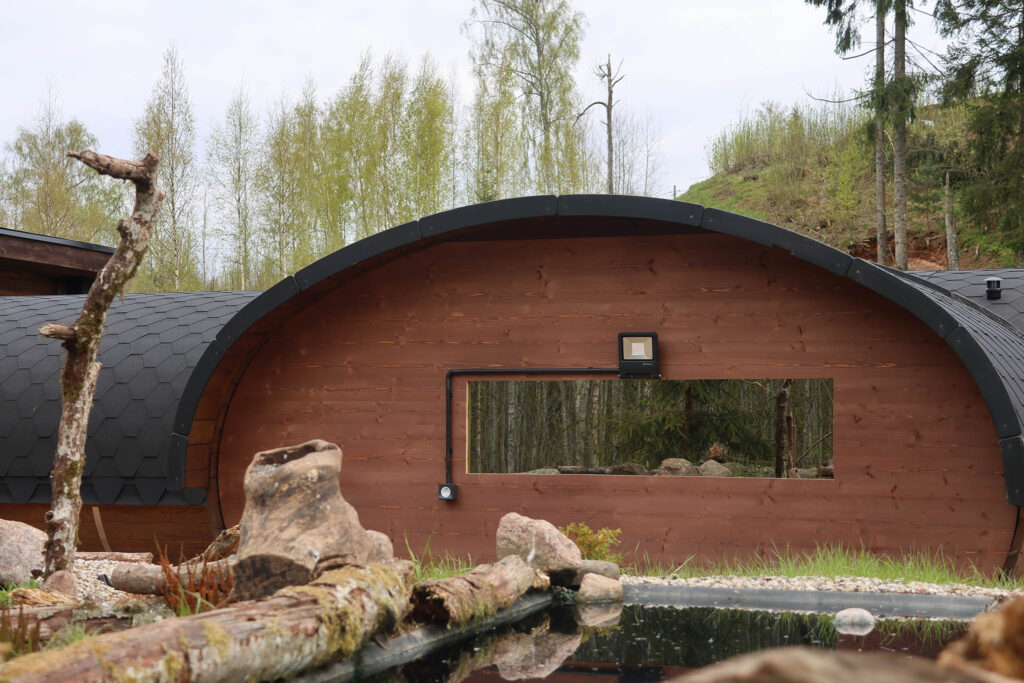
The final product is a carefully selected, purpose-built one-way mirrored glass engineered specifically for wildlife photography.
The first thing you notice when looking through Photo Logistics glass is almost nothing and that’s the point.
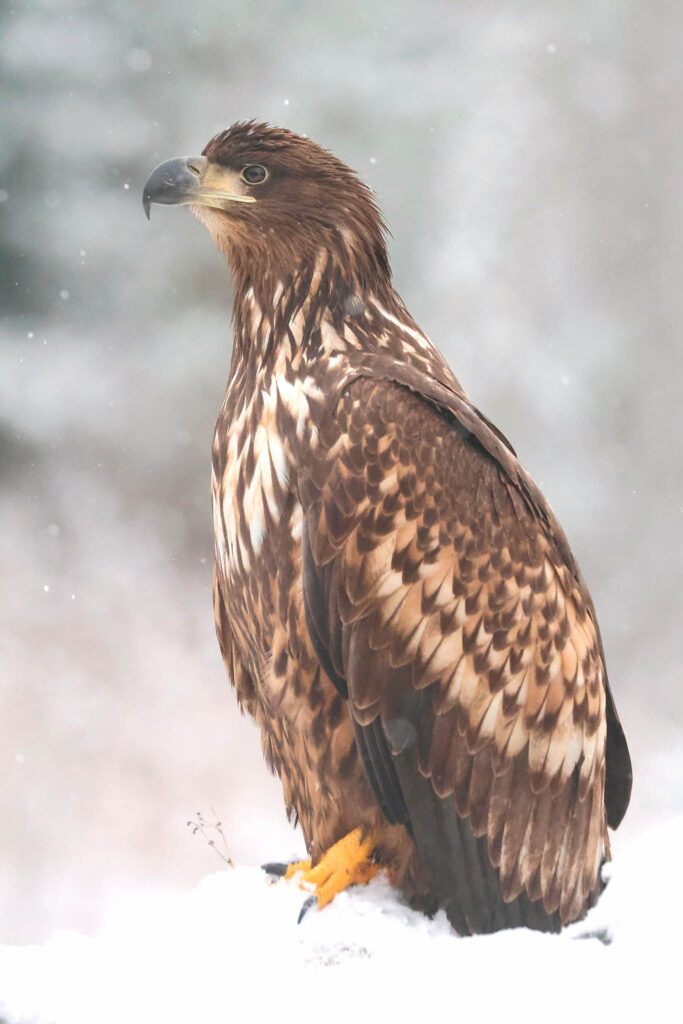
Edge-to-edge clarity is impressive for a one-way mirror. Many photographers report achieving tack-sharp images even when shooting with long telephoto lenses a critical advantage for birds and elusive mammals.
All one-way glass introduces a slight tint, but Photo Logistics has minimized this to a gentle warmth that is easy to correct in post-processing.
Expect roughly one stop of light loss, better than most architectural mirrored glass and easily manageable for modern sensors.
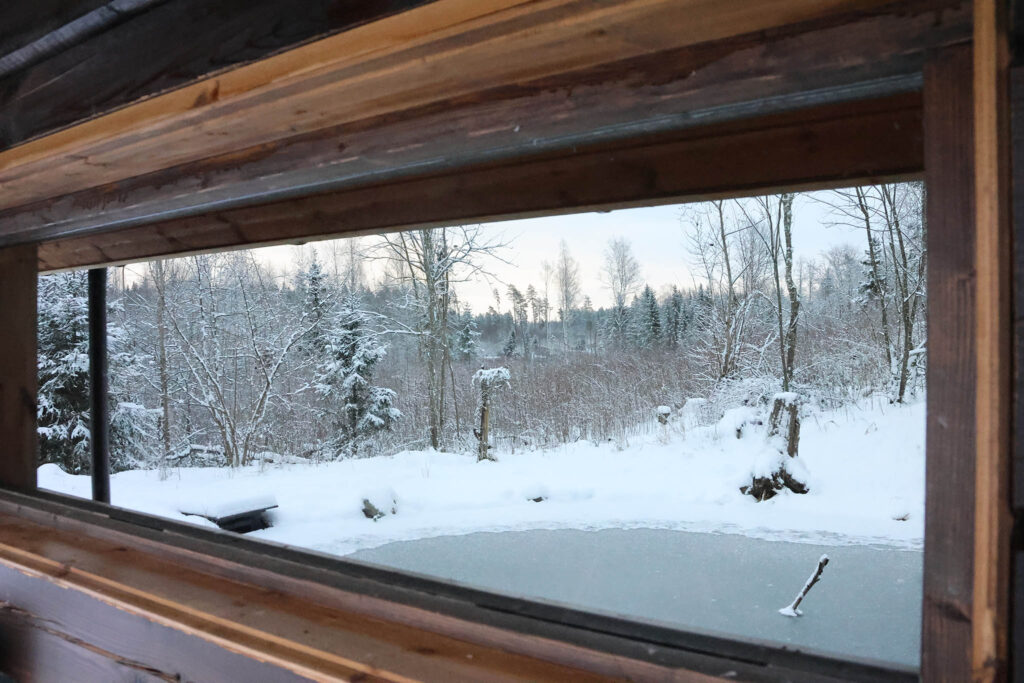
When the hide interior is kept dark standard practice reflections all but disappear, allowing you to remain effectively invisible to wildlife.
Photo Logistics’ photographic glass isn’t just good, it’s arguably the best purpose-built one-way glass currently available for wildlife hides.
For wildlife photographers who spend meaningful time in hides, this may be the single most important upgrade you never realized you needed.
So the question to ask next time you book a hide:
Is their glass Photo Logistics?
The answer: look for the label on the glass and don’t stand for imitations.
Your images deserve to the best !!!!!!
Sign up to the newsletter to get the latest information on the other 6 hides we are developing in Estonia and special offers from our hide partners across the globe. Use the form below.