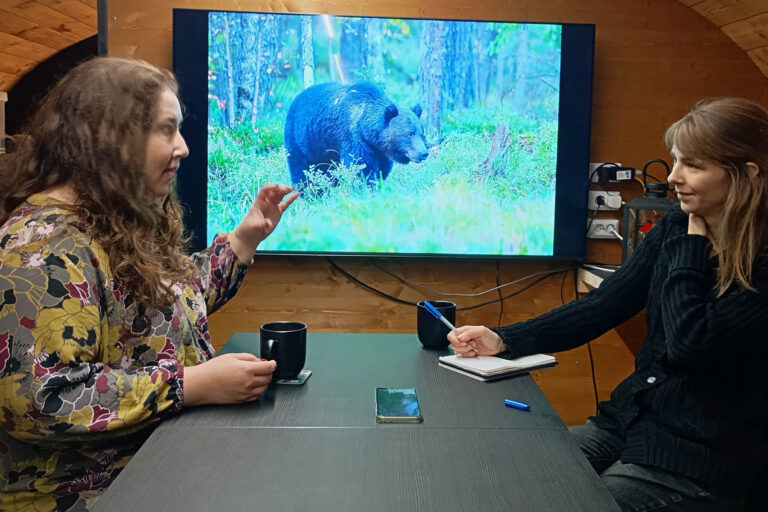
International travel writer and journalist Timothy Bird recently visited Wildlife Dreams in Estonia to delve into a subject that is increasingly vital to both conservation and local economies: wildlife tourism.
Set against Estonia’s vast forests and quietly thriving ecosystems, Wildlife Dreams offers a unique window into the country’s natural heritage. Bird’s visit focused not just on the experience itself, but on the broader implications of wildlife tourism how it supports conservation, builds partnerships, and faces modern challenges.
The Importance of Wildlife Tourism
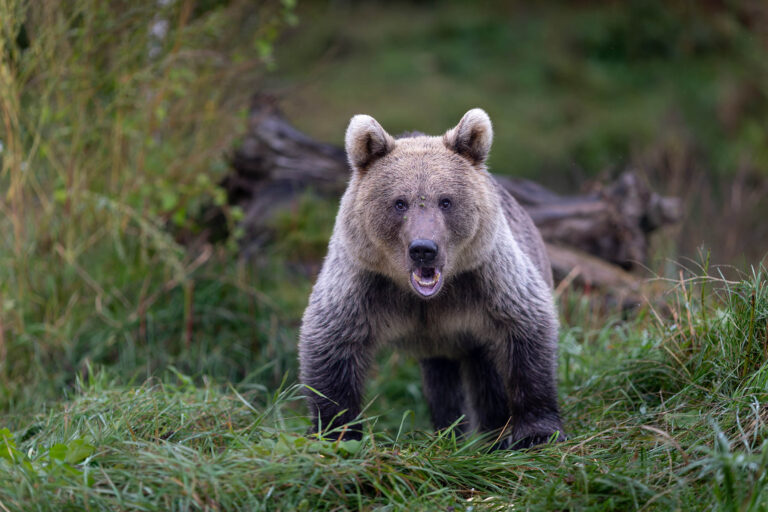
Wildlife tourism plays a significant role in shaping how countries value and protect their natural environments. In Estonia, where large carnivores like bears, wolves, and lynx still roam freely, tourism provides a sustainable incentive to preserve habitats.
Bird noted that responsible wildlife tourism creates a direct link between economic benefit and conservation. When local communities see tangible value in protecting wildlife, attitudes shift from exploitation to stewardship.
The Role of Partnerships
A key theme during the visit was collaboration. Wildlife Dreams operates through partnerships with local landowners, conservationists, and guides. These relationships are essential not only for access to land but for ensuring ethical practices.
Bird highlighted that successful wildlife tourism depends on trust and shared goals. Without cooperation between stakeholders, maintaining both visitor experience and ecological integrity becomes difficult.
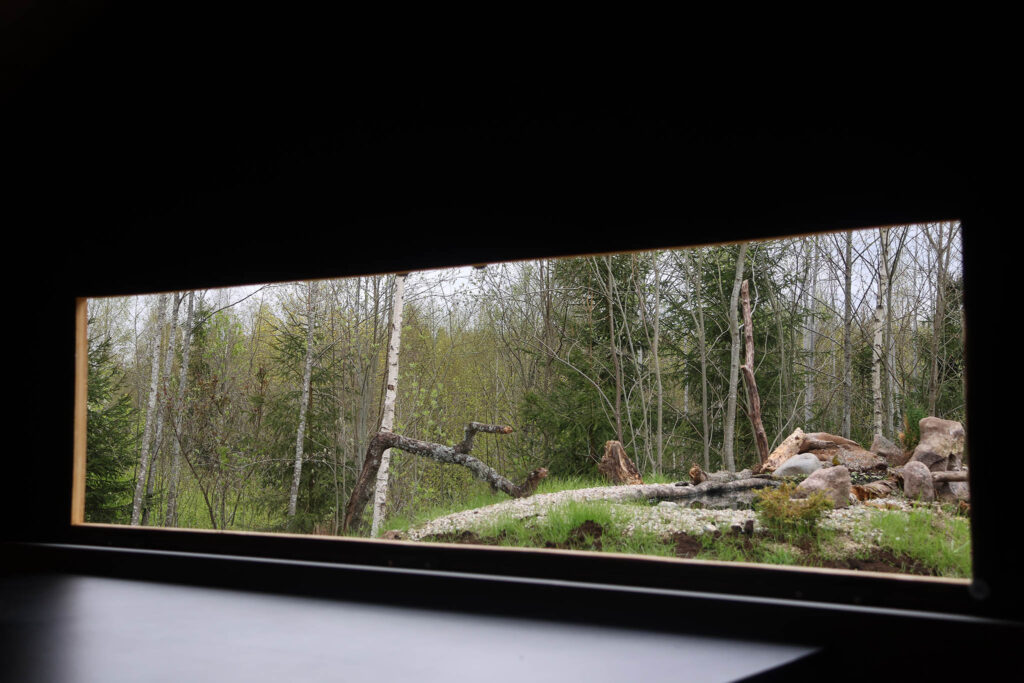
Wildlife Hides: A Window into Nature
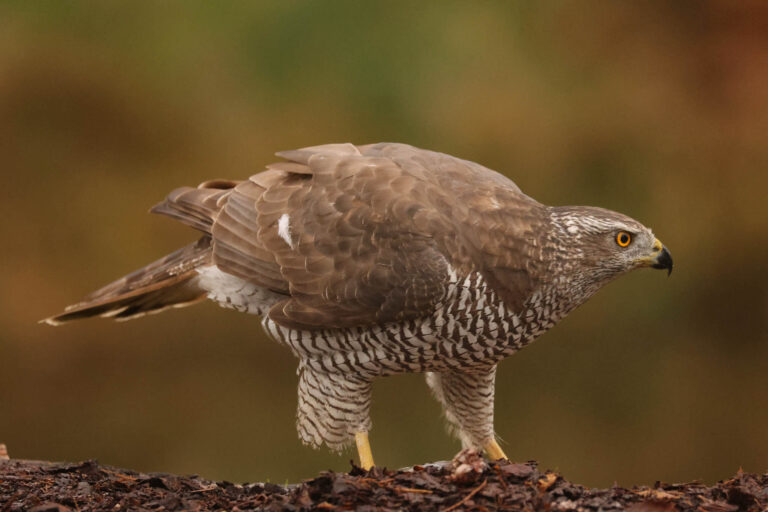
One of the standout aspects of Wildlife Dreams is its network of carefully designed wildlife hides. These structures allow photographers and visitors to observe animals in their natural habitat without disturbance.
Bird spent time discussing how hides are more than just viewing platforms they are tools for education and conservation. When done correctly, they minimize human impact while maximizing the chance of meaningful encounters.
For photographers, hides offer unparalleled opportunities. Estonia’s long summer evenings and snowy winter landscapes create dramatic conditions for capturing wildlife imagery.
Challenges in the Industry
Despite its potential, wildlife tourism is not without difficulties.
- Bird explored several key challenges:
Unpredictability of wildlife 🐾 Nature doesn’t operate on a schedule, which can affect visitor expectations. - Ethical concerns 🐾 Ensuring animals are not disturbed or conditioned by human presence is critical.
- Seasonality 🐾 Estonia’s climate creates peaks and lulls in tourism activity.
Balancing access and preservation 🐾 - Increasing popularity can threaten the very environments visitors come to experience.
Bird emphasized that maintaining authenticity while scaling operations is one of the biggest tests for operators like Wildlife Dreams.
The Role of Photography
Photography sits at the heart of modern wildlife tourism. Bird discussed how powerful imagery can inspire conservation awareness far beyond Estonia’s borders.
However, he also pointed out the responsibility that comes with it. Ethical wildlife photography requires patience, respect, and an understanding of animal behavior values that Wildlife Dreams actively promotes.
A Model for the Future
Bird’s visit concluded with a clear takeaway: Estonia, through initiatives like Wildlife Dreams, has the potential to serve as a model for sustainable wildlife tourism.
By combining conservation, community involvement, and high-quality visitor experiences, the country demonstrates how tourism can be both economically beneficial and environmentally responsible.