Wildlife Conservation in Estonia

Supporting the conservation of habitats and species

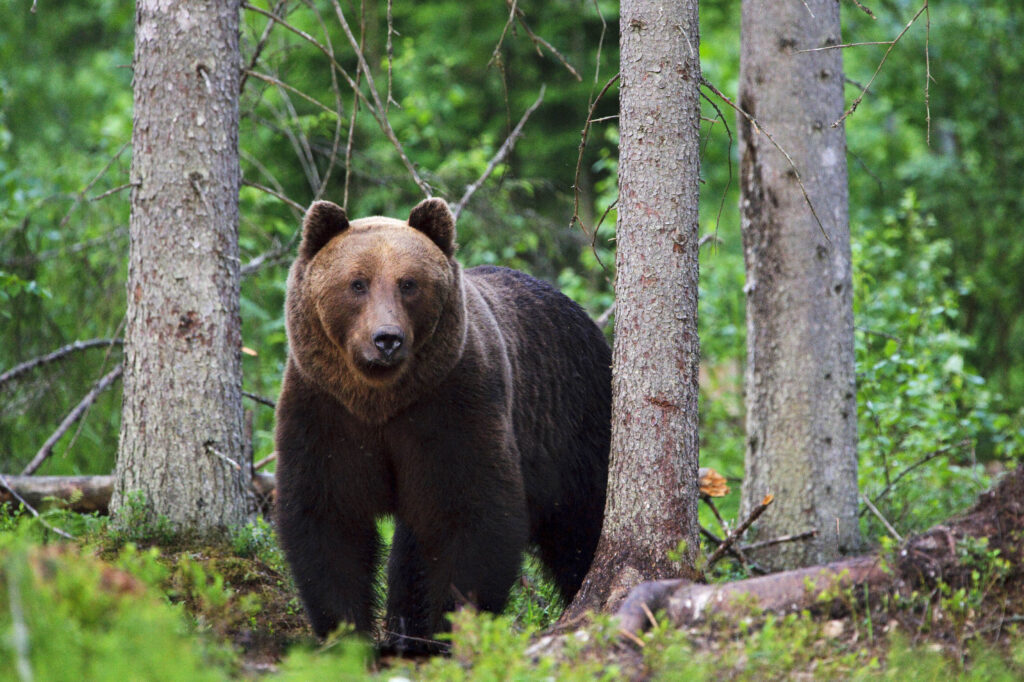
Brown Bear in Estonia

Wildlife Dreams hide complex is located on the edge of the Osõtsuu conservation area, located in Kõlleste parish, Põlva county.  The conservation area covers 26 hectares and was established in 2005 to protect species-rich lowland bog and bog and deciduous forests as habitats, as well as habitats for bog giant and yellow stonecrop.

We support the conservation of habitats and species.  Locating the wildlife hide complex on the edge of the conservation area supports this aim, alongside working with local organisations such as Save Estonian Forests. 

We are always looking to work with international conservation organisations including Habitats Foundation.

Protecting Estonia’s Brown Bears: A Landmark GPS Tracking Initiative

Wildlife Dreams is proud to be a part of Estonia’s first-ever GPS bear-tracking initiative.

We have become the first supporter to fund a bear collar in the research campaign: GPS‑Collaring Bears: Working for Coexistence!

We are proud to be part of this pioneering partnership to safeguard the future of Estonia’s brown bear population. As part of our long-standing commitment to wildlife conservation in Estonia, we are launching the first project of its kind in the nation to utilize advanced satellite technology for human-wildlife conflict mitigation.

Brown Bear Sponsorship Logo

The Goal: Coexistence

The primary goal of this initiative is to reduce conflicts between local communities and wildlife. By gathering situation-specific telemetry data, the project can understand the real-world behaviour of Estonian bears.

Key Research Objectives:

  • Movement Patterns: Tracking how bears navigate through shared landscapes.
  • Habitat Selection: Identifying the specific environments bears prefer to avoid human contact.
  • Home Range Analysis: Mapping the territory size required for healthy bear populations.

How It Works: The Technology

To achieve these goals, select bears are being equipped with GPS satellite collars (ours is labelled “Wildlife Dreams”). This cutting-edge technology allows the team to:

  • Monitor in Real-Time: Receive precise location data transmitted via satellite.
  • Analyse Behaviour: Study habitat preferences to predict and prevent potential encounters.
  • Inform Policy: Provide the Estonian government and conservationists with actionable data for land management.
  • Did You Know? This is the first time this specific GPS satellite-telemetry technology has been deployed for a comprehensive bear study in Estonia, marking a new chapter for regional conservation science.

Supporting Estonian Wildlife Conservation

This project is a cornerstone of Wildlife Dreams’ ongoing investment in the Baltic region. By merging innovative technology with on-the-ground research we aren’t just protecting bears, we are supporting the safety and sustainability of the Estonian wilderness for generations to come.

Frequently Asked Questions

How many bears are currently in Estonia?

As of 2026, the Estonian bear population is at a historic high, with estimates exceeding 1,100 individuals. This success is largely due to improved forest management and conservation efforts over the past decade.

Why is this GPS tracking project necessary now?

With record-high bear numbers, "human-bear overlap" is increasing. Bears are more frequently seen near villages and farms. This project uses satellite telemetry to provide the first-ever high-resolution data on exactly how these bears navigate shared landscapes, helping us prevent conflicts before they happen.

Do the GPS collars hurt the bears?

Not at all. The collars are lightweight, designed by wildlife biologists to fit comfortably, and feature a "drop-off" mechanism. This means they will automatically fall off after the study period is over, ensuring no long-term impact on the animal.

Where are most bear conflicts occurring in Estonia?

Most reports come from Ida-Virumaa, Lääne-Virumaa, and Tartu counties. However, as young bears seek new territories, they are expanding into western and southern Estonia, which is why national tracking data is so vital.

What should I do if I encounter a bear in the Estonian forest?

The best strategy is prevention: make noise while walking so you don't surprise a bear. If you do see one:

  • Remain calm and do not run.
  • Back away slowly while facing the bear.
  • Give the bear a clear escape route.

How is Wildlife Dreams involved in this research?

Wildlife Dreams is the primary supporter and facilitator of this landmark study. By funding the GPS technology and coordinating with local researchers, we are ensuring that Estonia remains a global leader in successful human-wildlife coexistence.

How can the public help with bear conservation?

The most effective way to help is to secure attractants, such as beehives, compost, and livestock, with electric fencing. Additionally, supporting organizations like Wildlife Dreams allows us to continue funding the technology needed to monitor and protect these majestic animals.

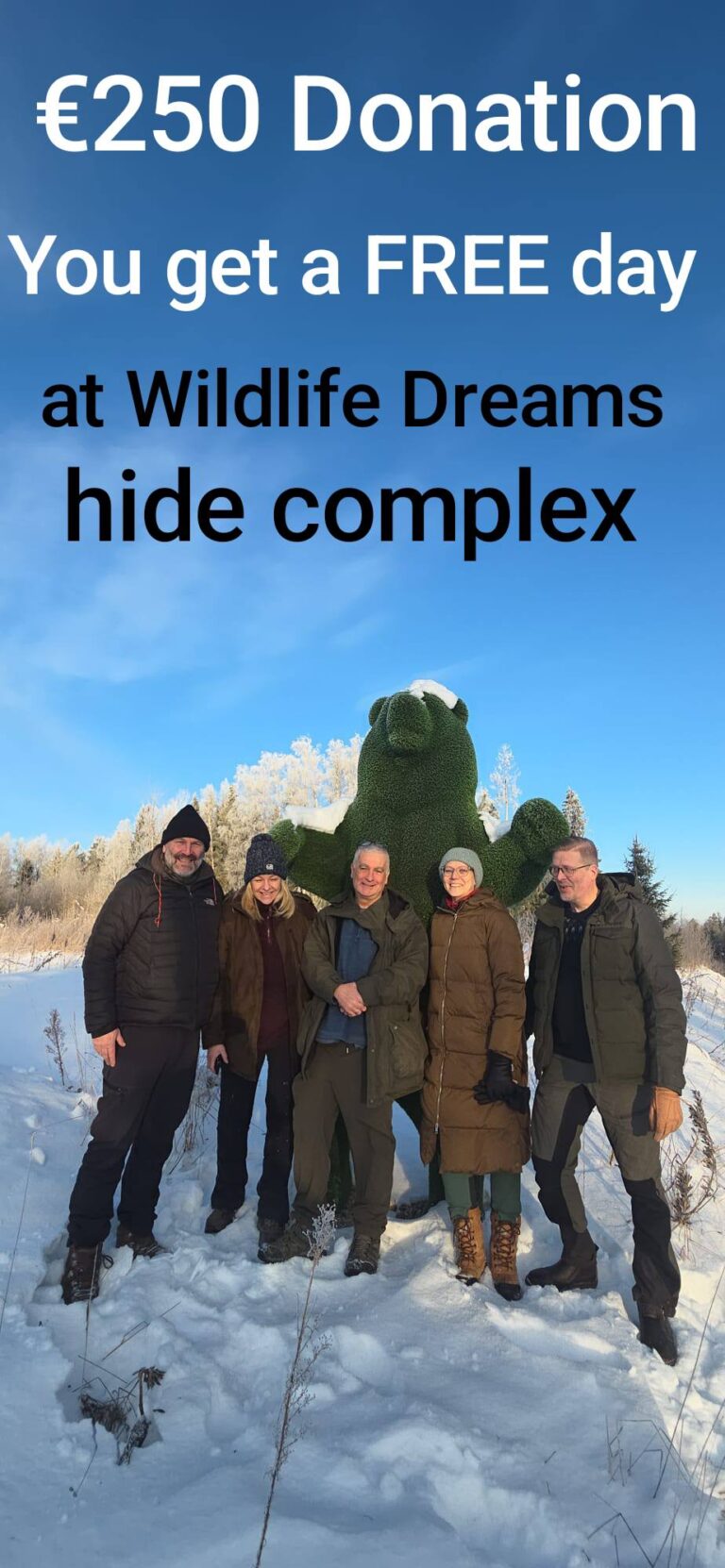
If you would also like to donate to this project, click here to make a donation.