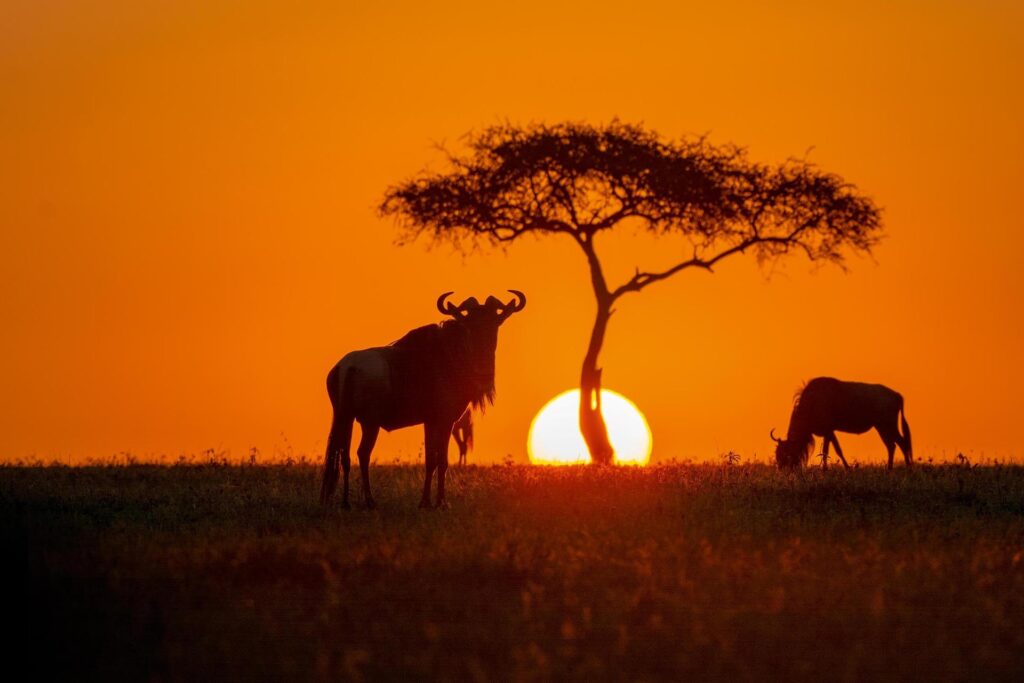
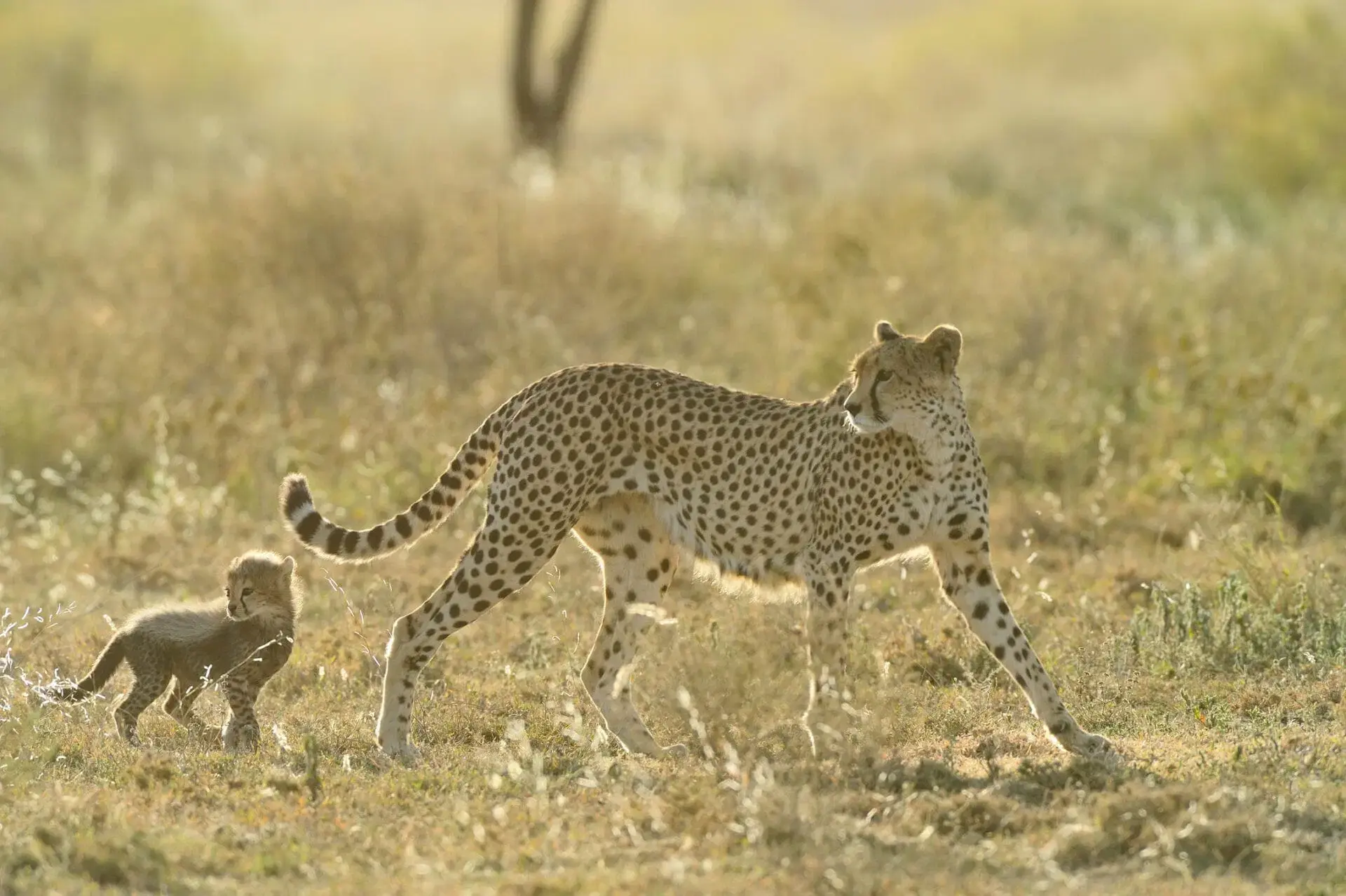
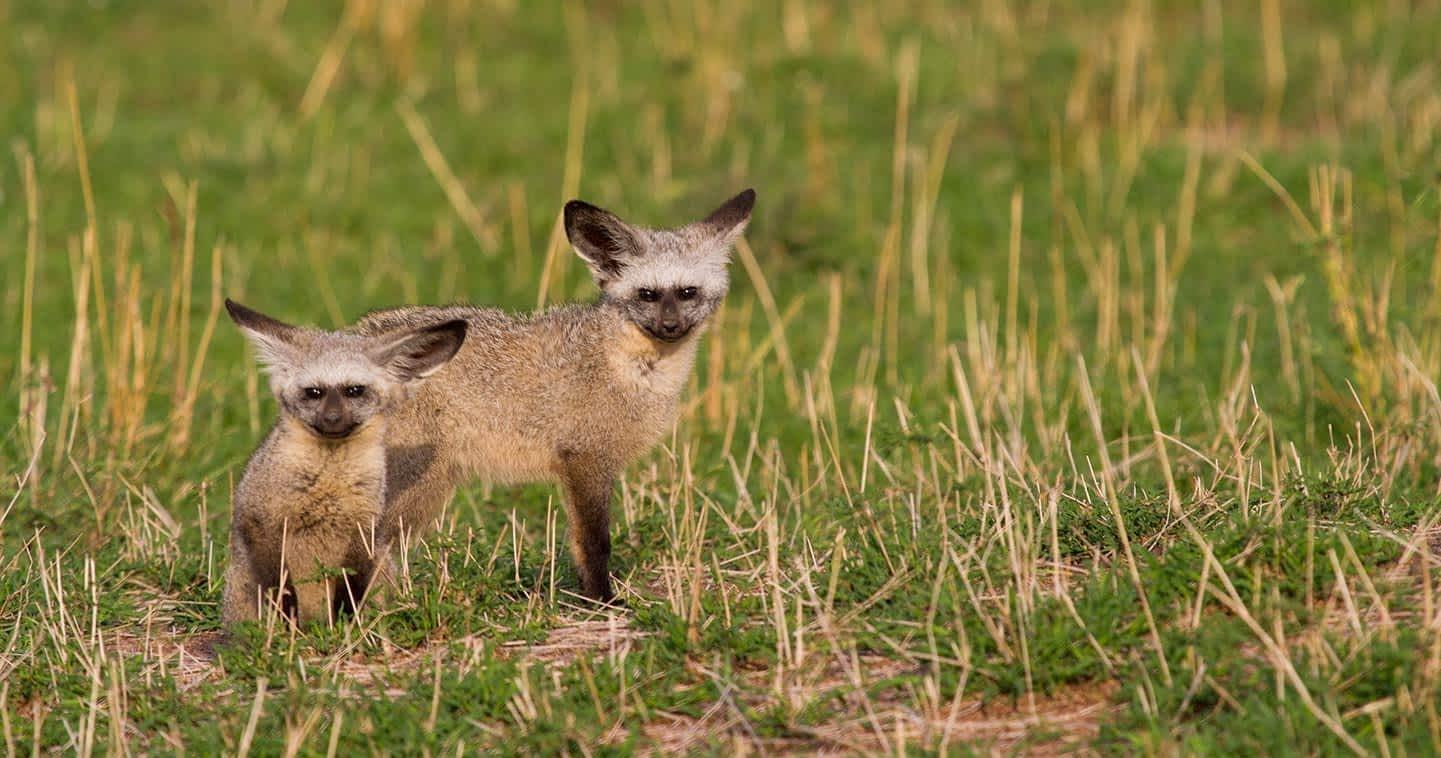
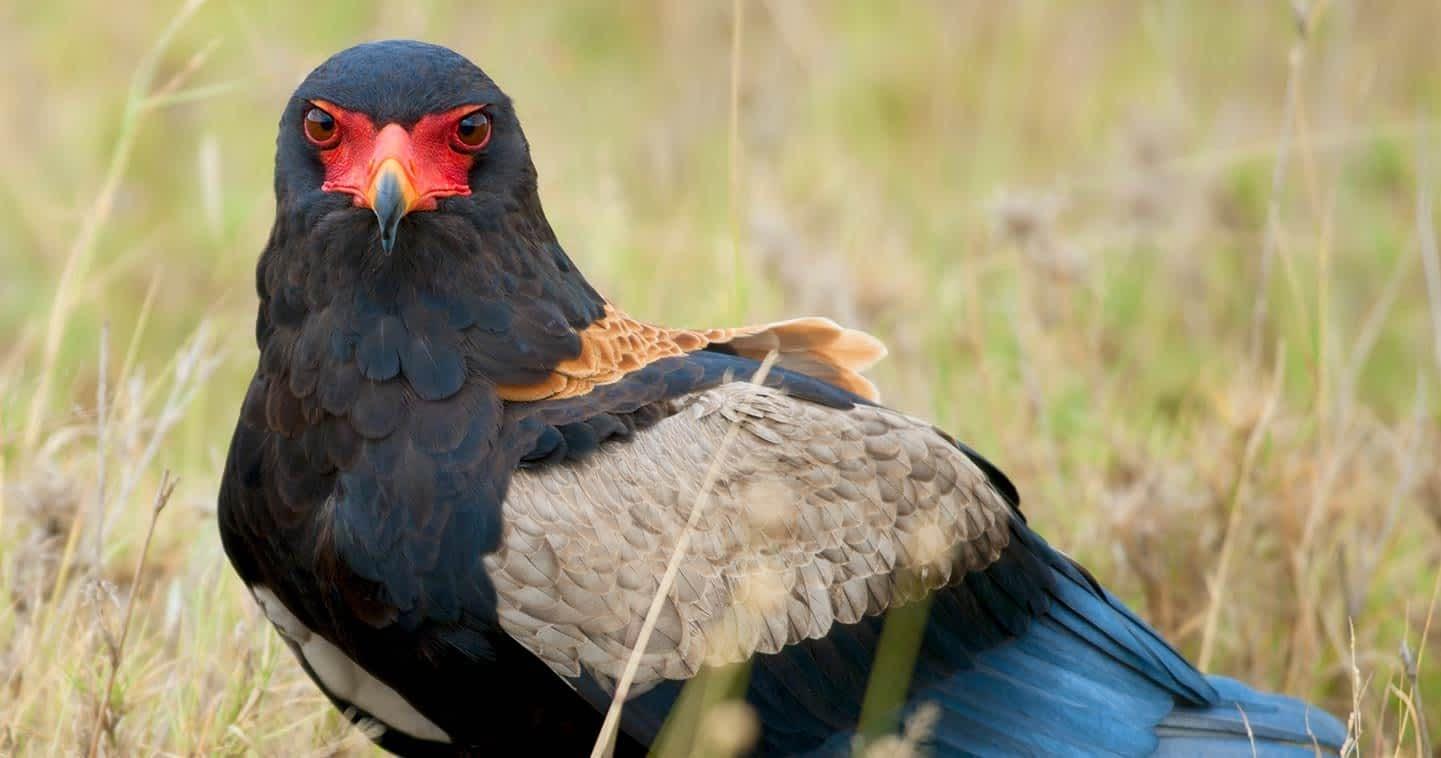
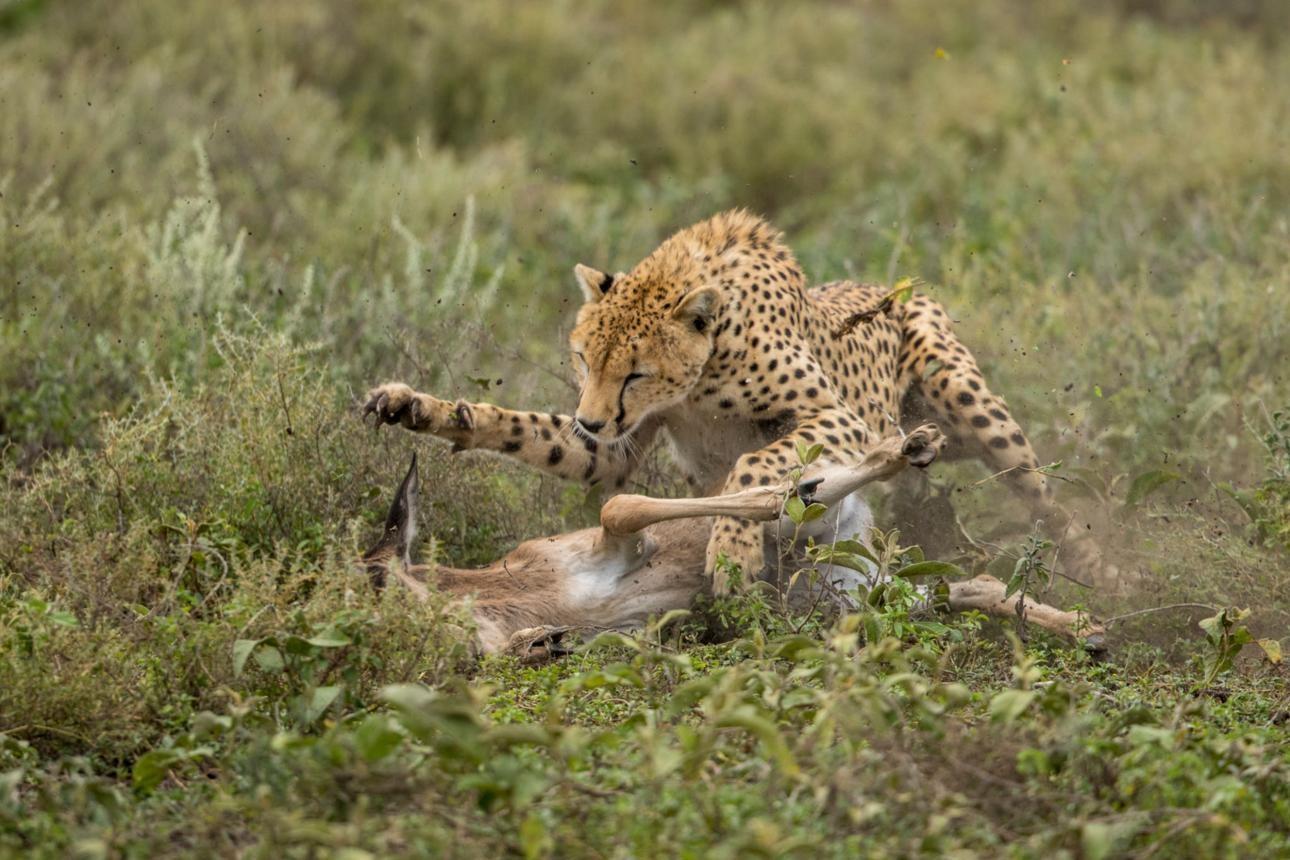
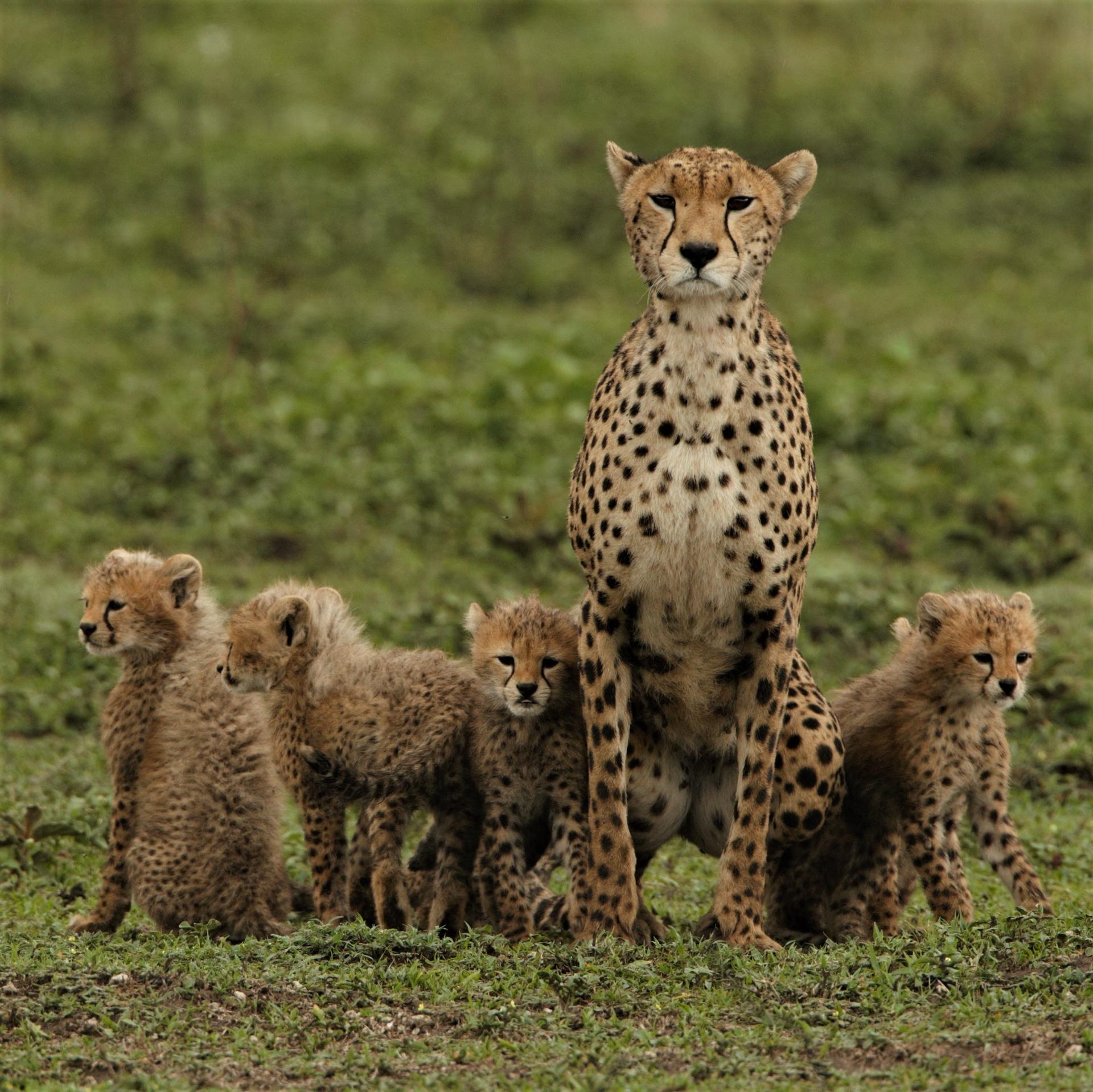
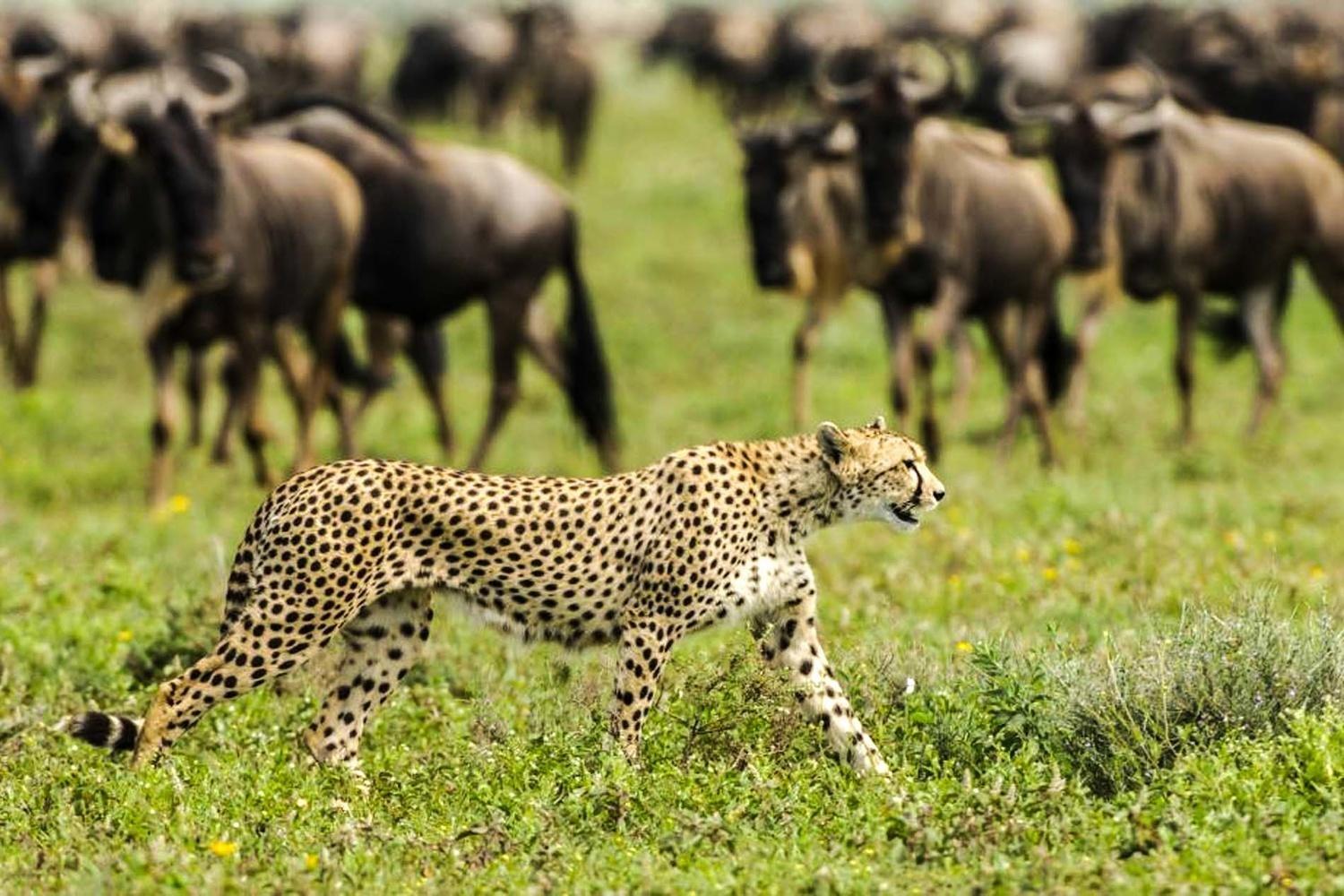
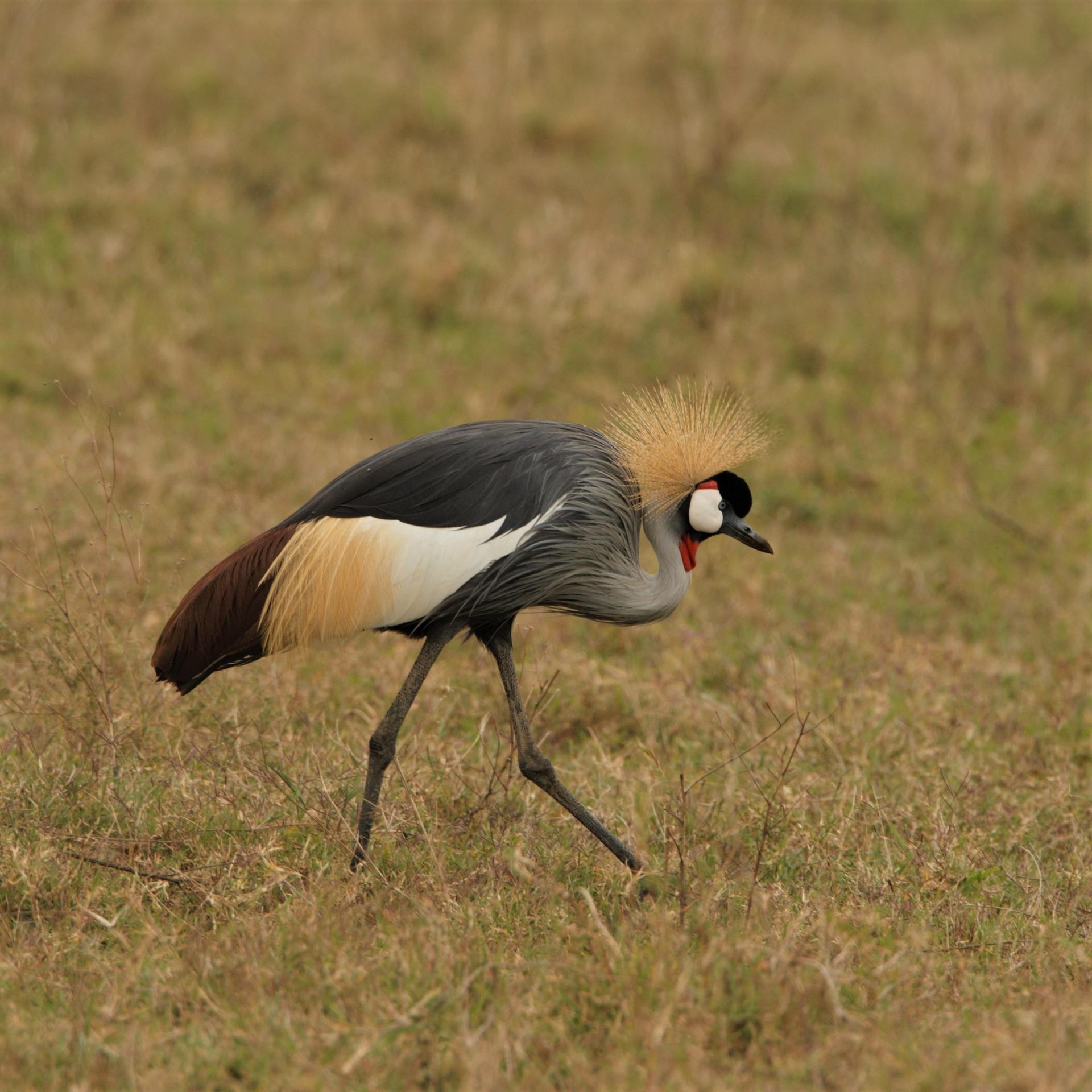
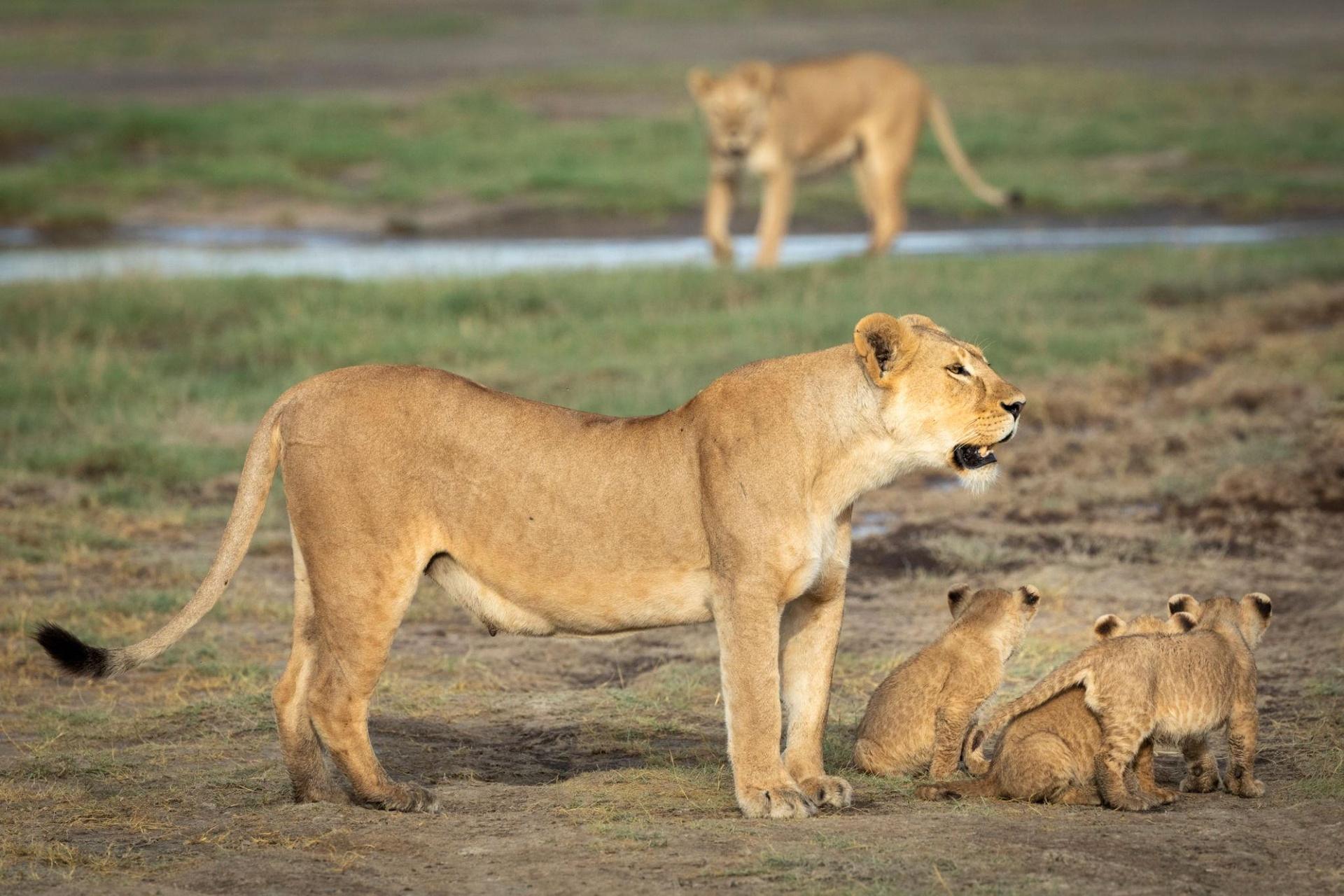
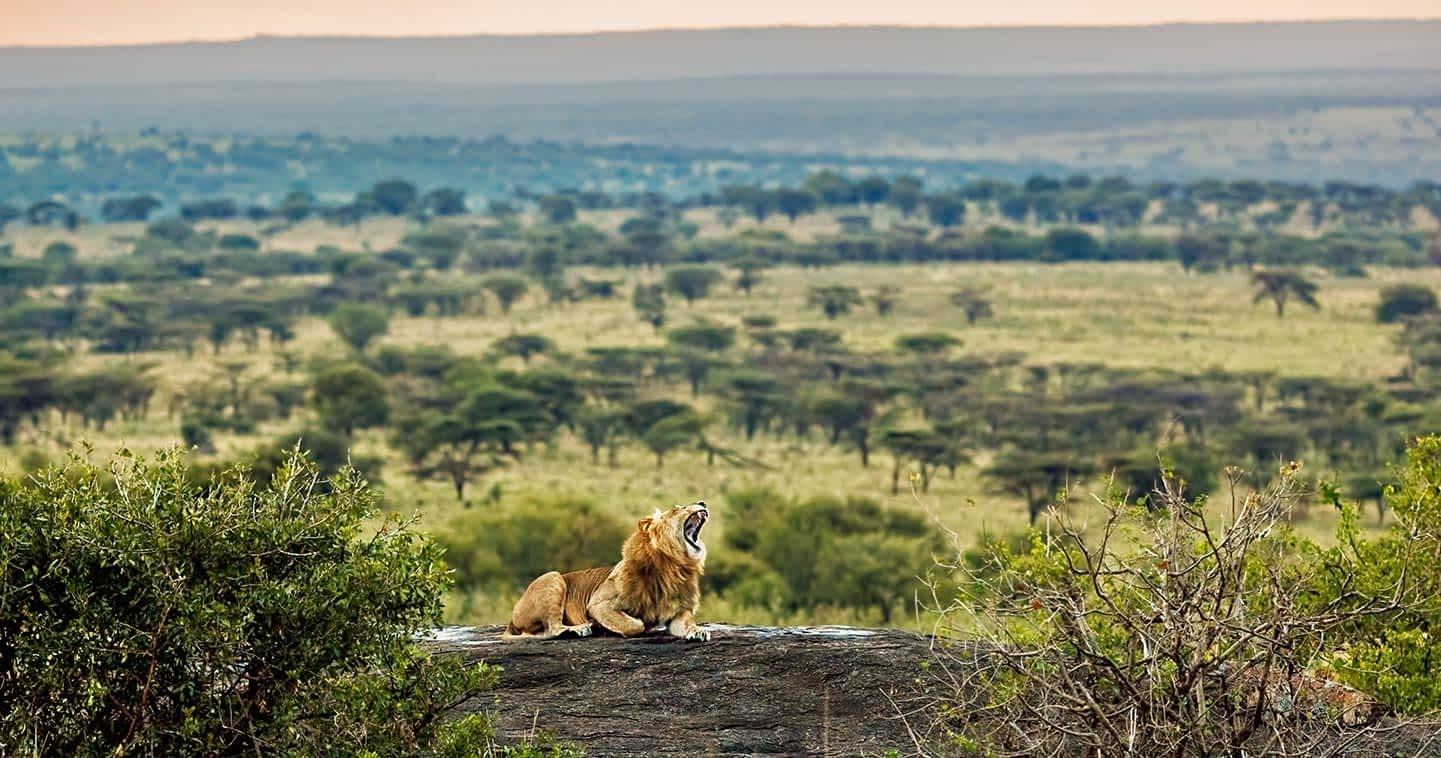
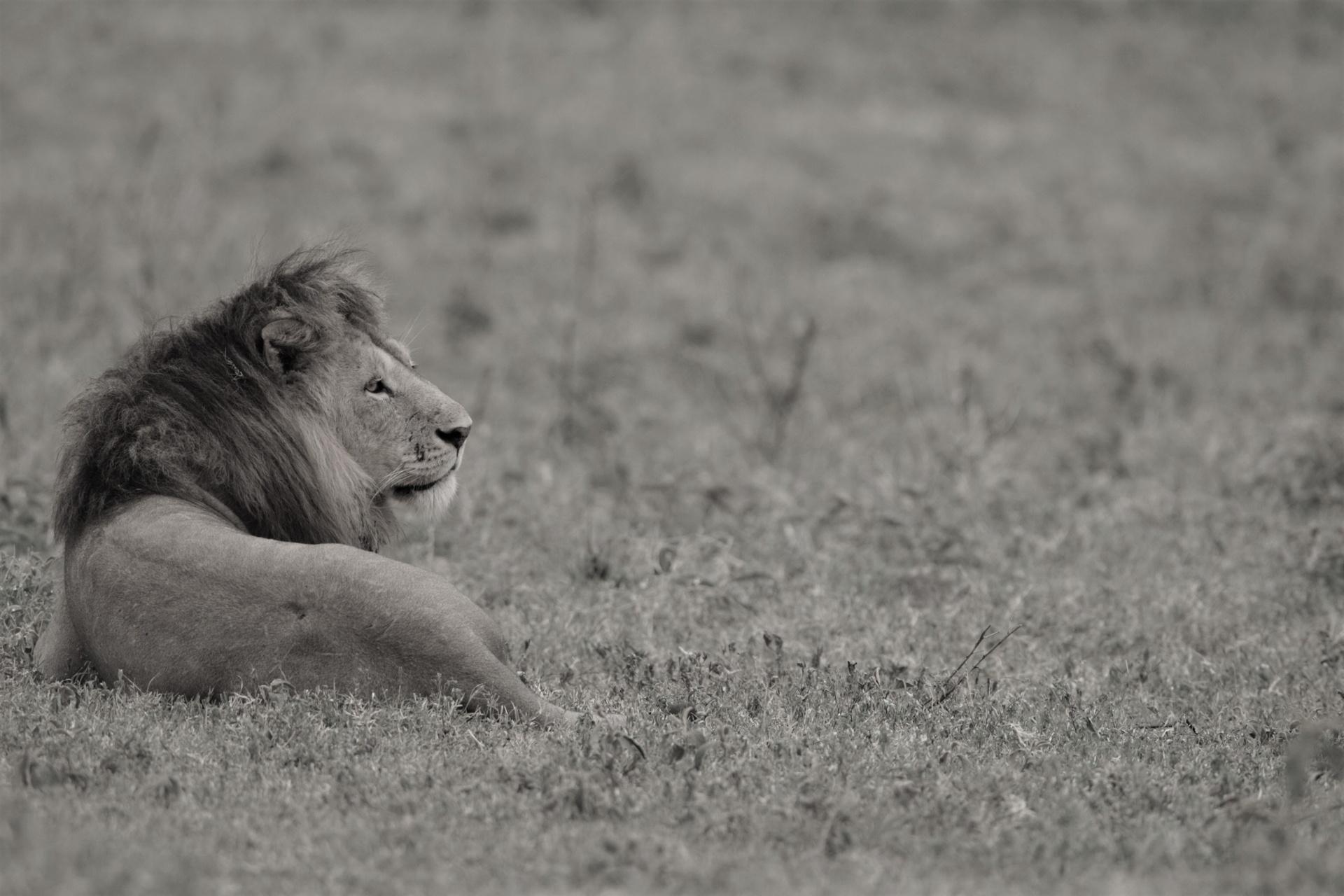
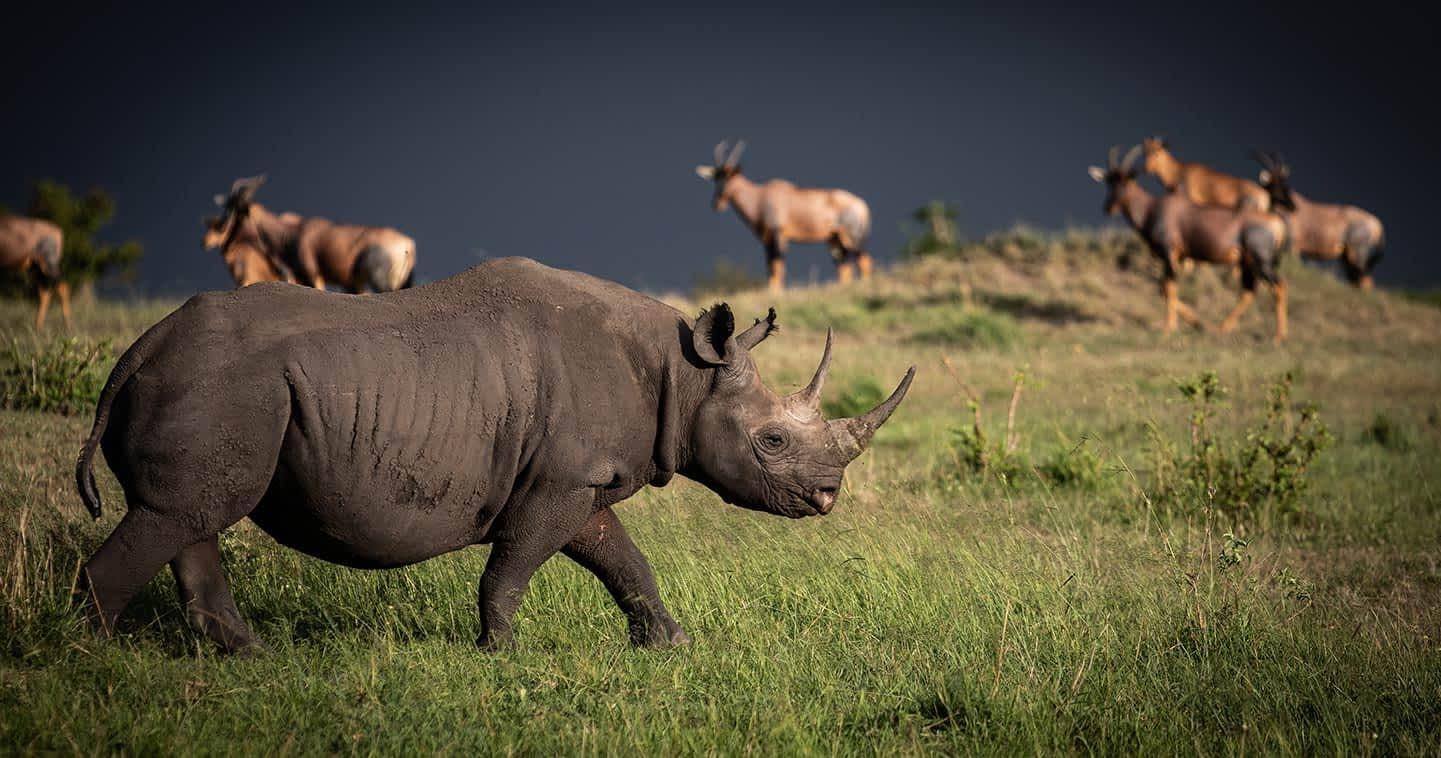
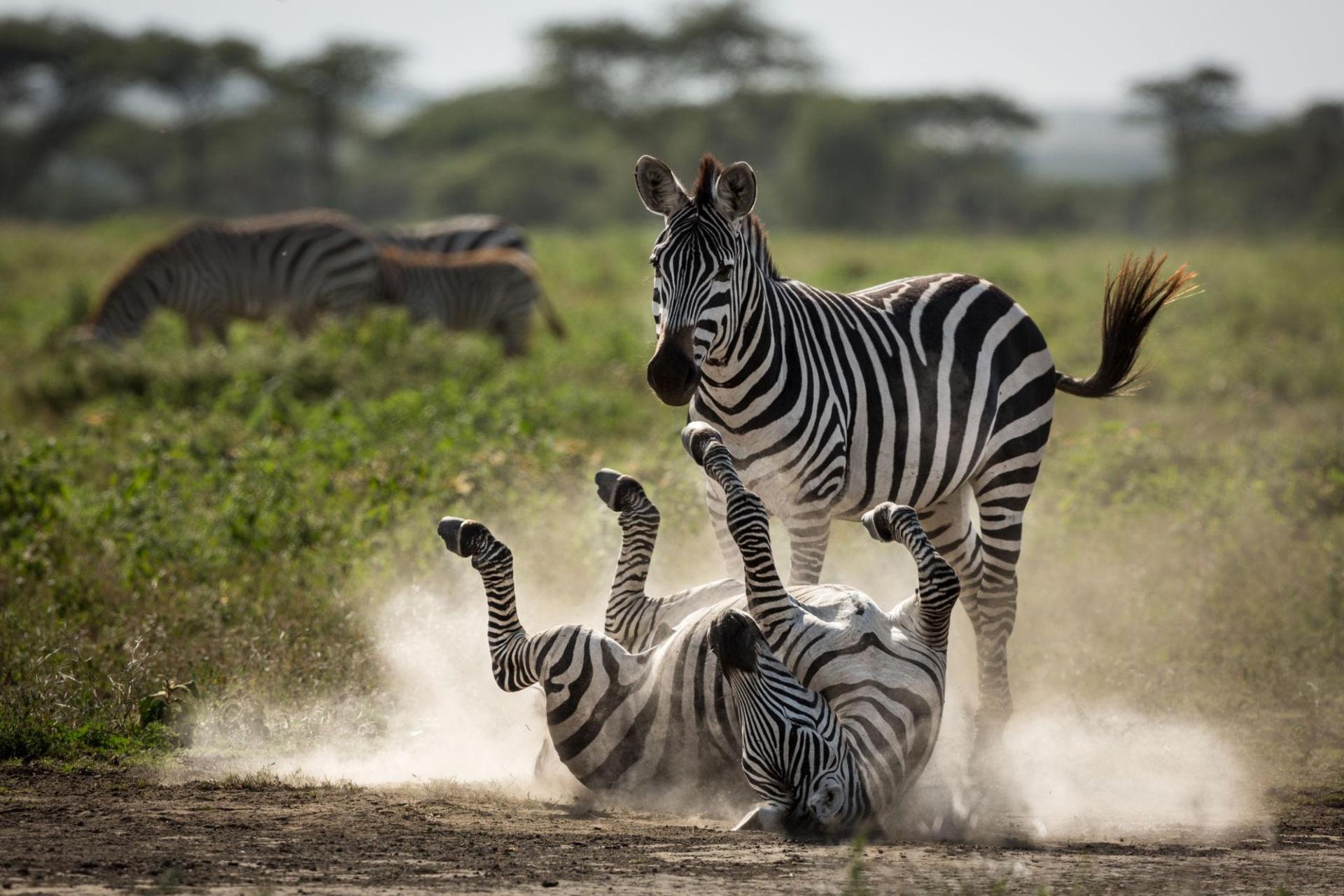
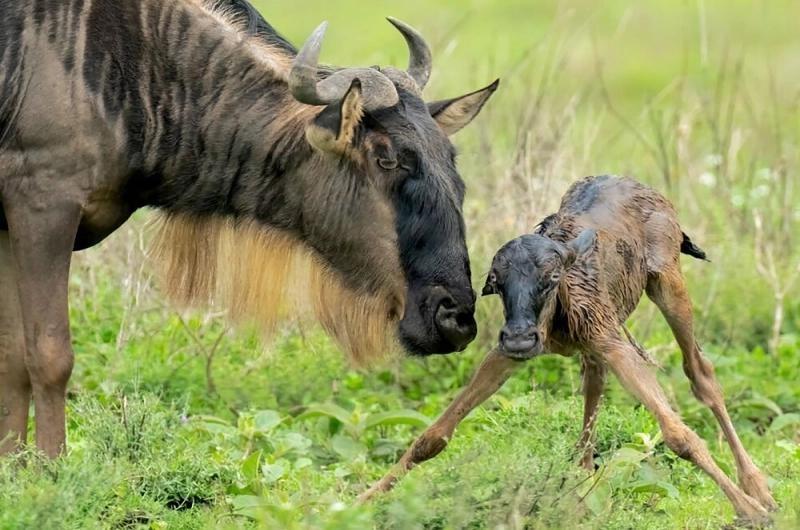
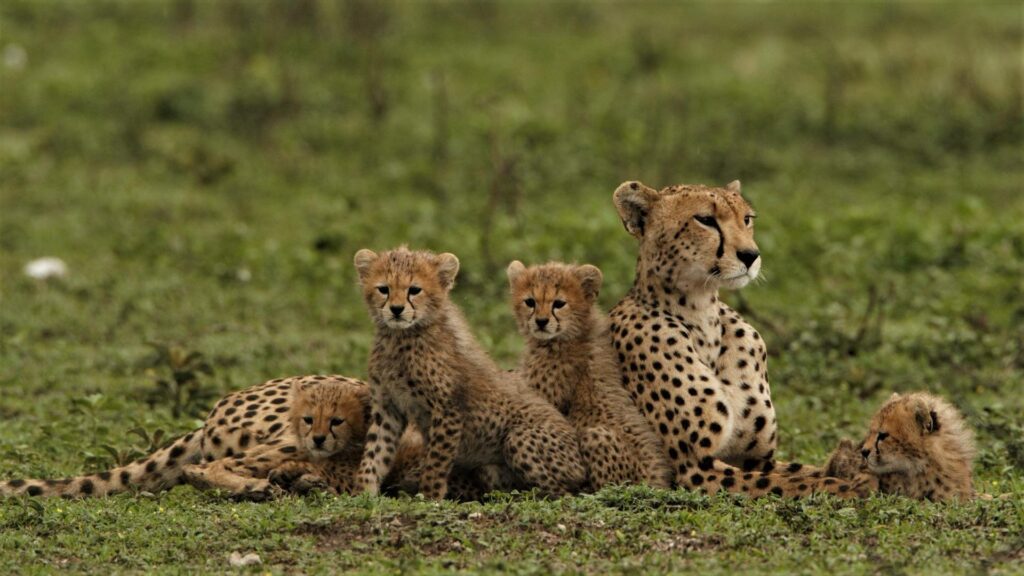
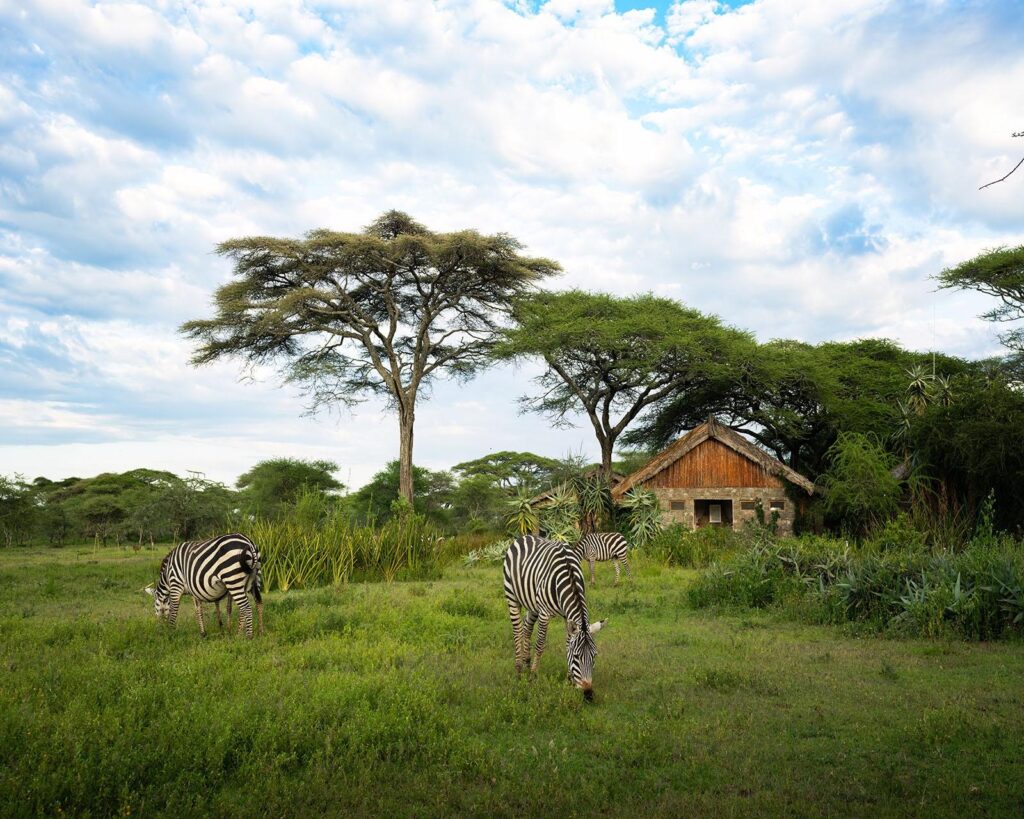
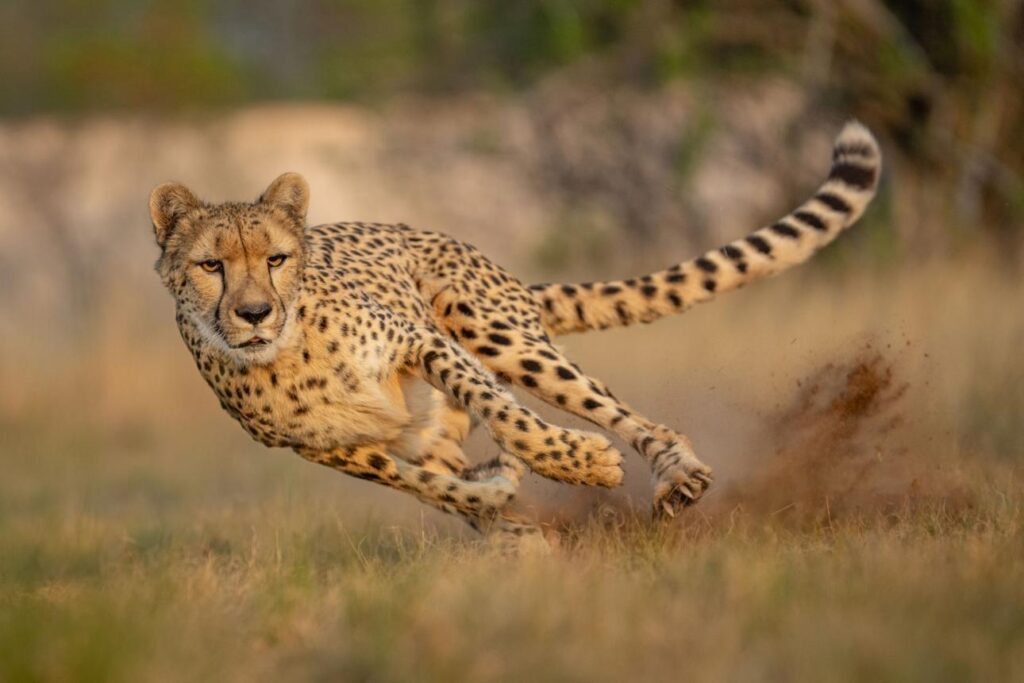
You will photograph newborn calves taking their first unsteady steps, and the predators that never leave the herds — lions, spotted hyena and the cheetahs Ndutu is known for, often followed for hours rather than minutes. Between the drama there are flamingos on the alkaline lakes, bat-eared fox, elephant in the woodland, and the soft, diffused green-season light that extends shooting well beyond dawn and dusk.
Booking is handled securely by WeTravel.
Secure your booking with a 20% deposit; the balance is due 45 days before departure. Pricing is based on current lodge rates and can change until a reservation is confirmed. Ndutu’s best weeks do not stay available for long.
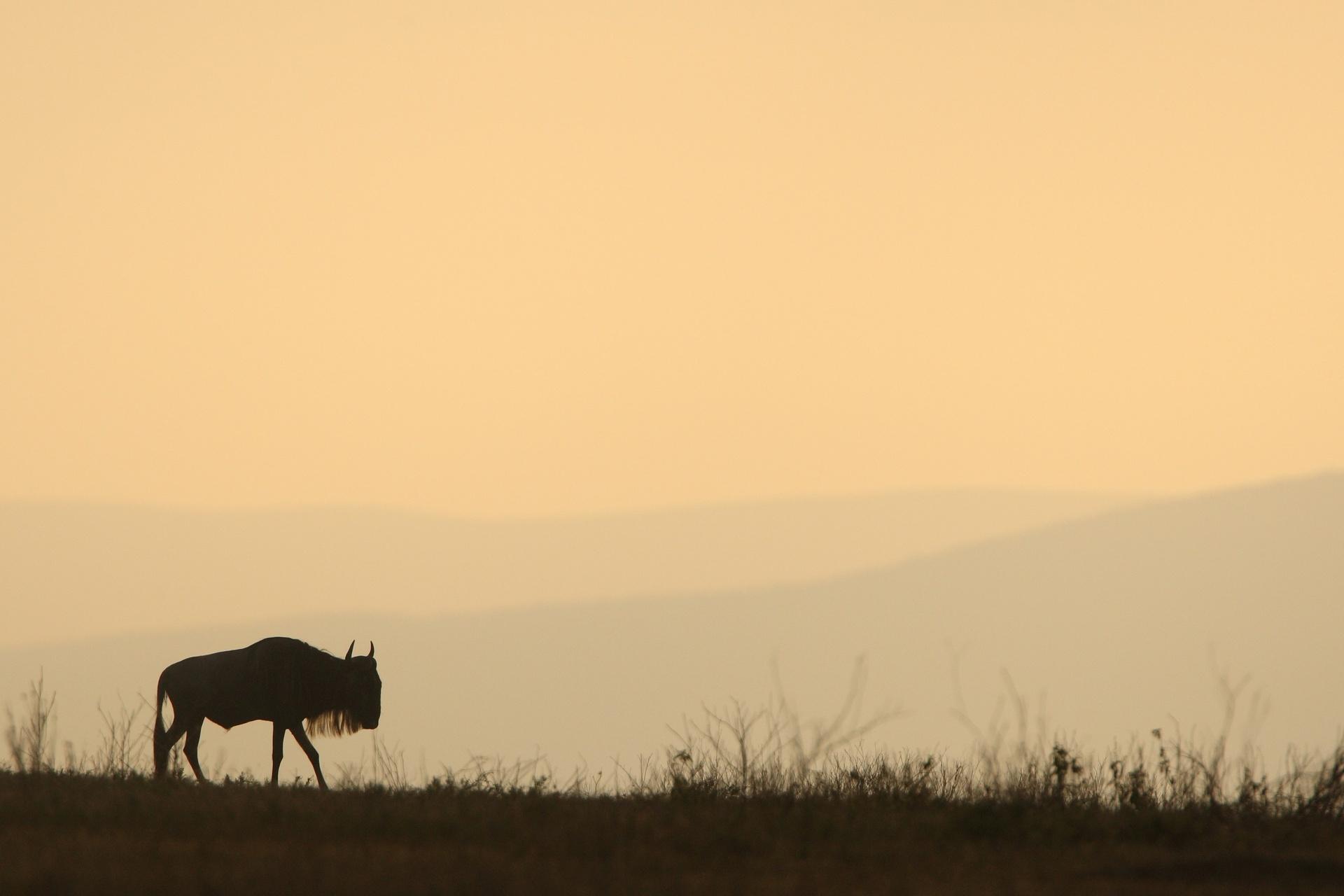
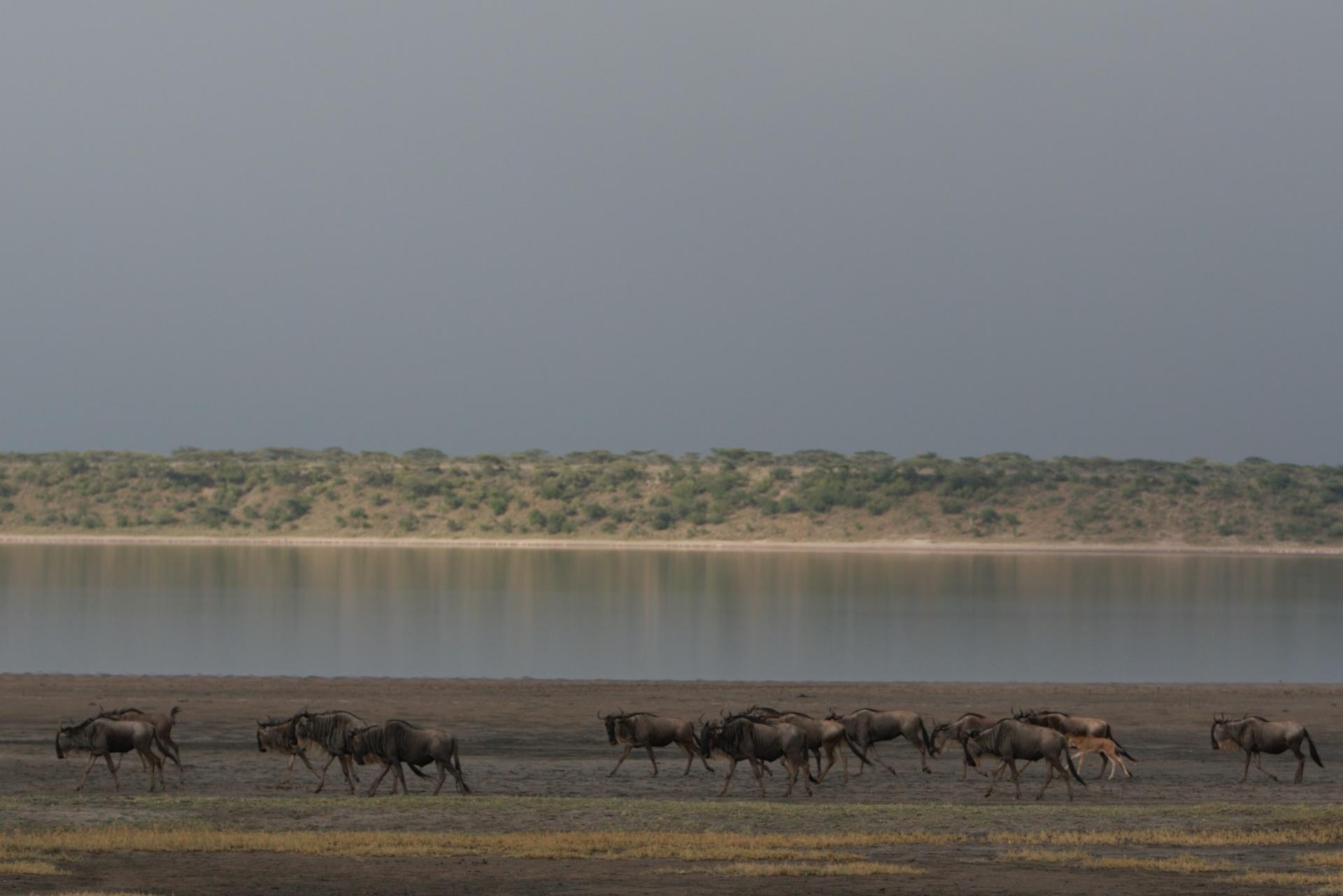
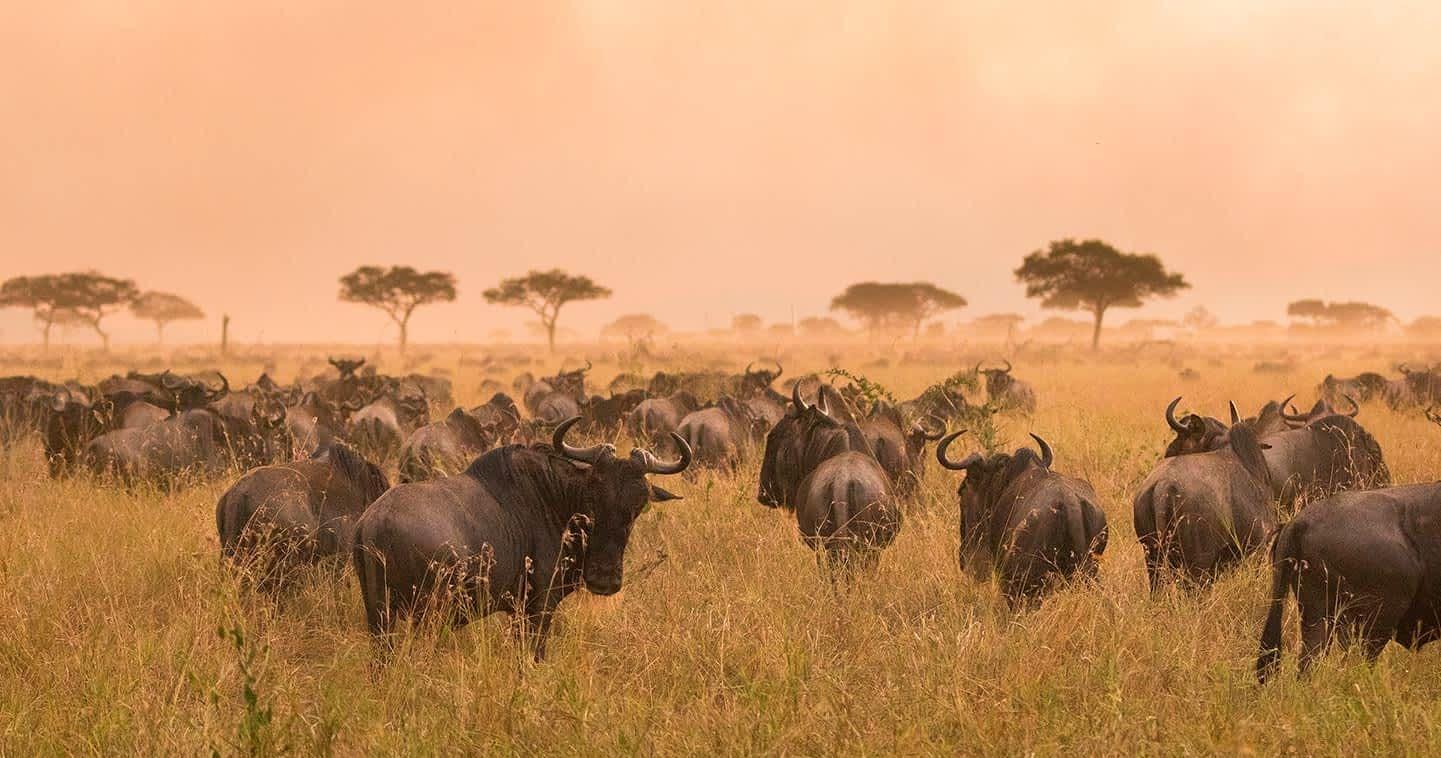
Ndutu is where the Great Migration starts its year. Between December and March the short-grass plains on the southern edge of the Serengeti fill with wildebeest drawn by the nutrient-rich grasses that follow the rains, and in a matter of weeks more than half a million calves are born. Our journey is timed for early March, with six nights based at Ndutu Safari Lodge and just three guests per vehicle.
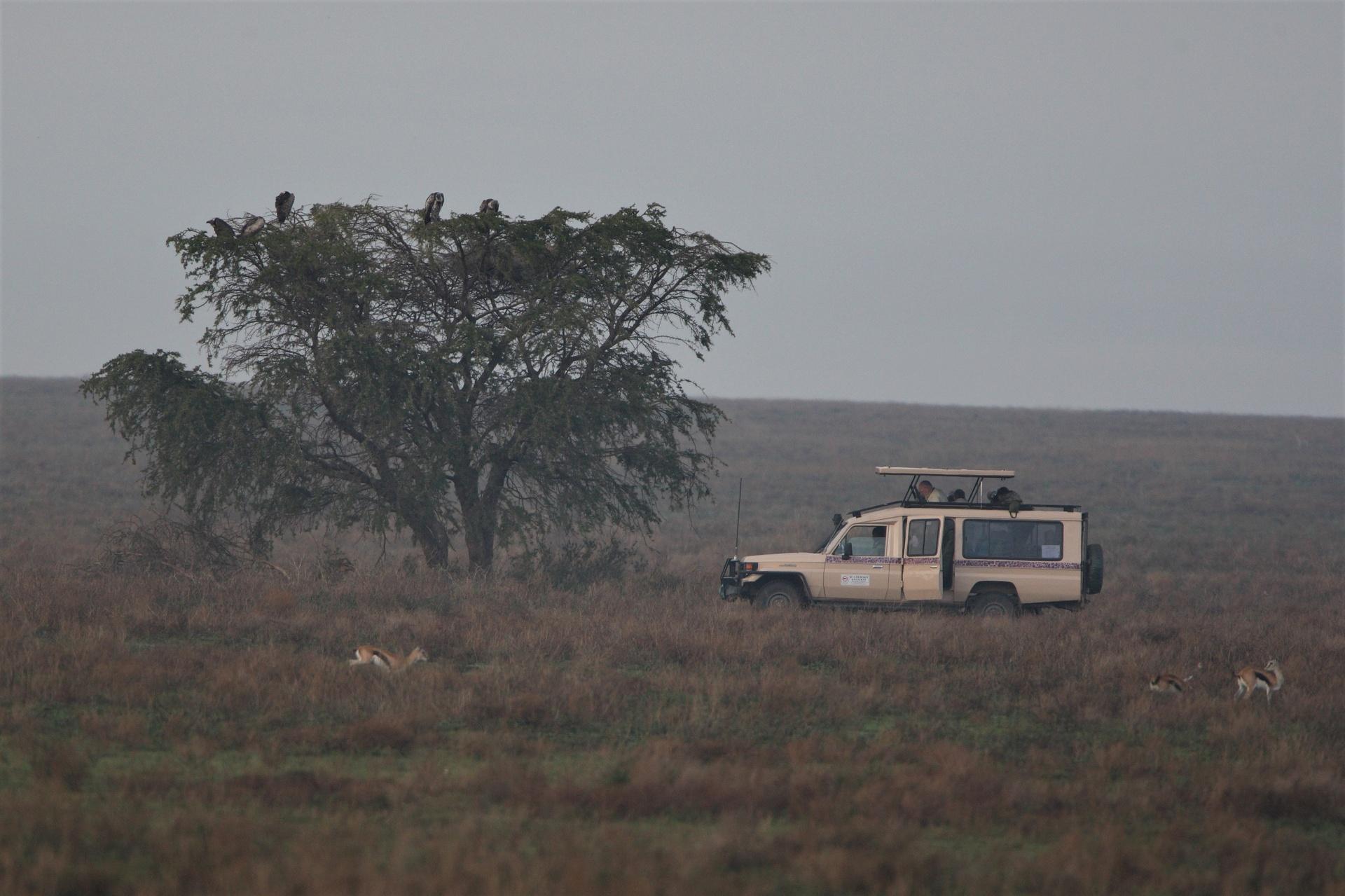
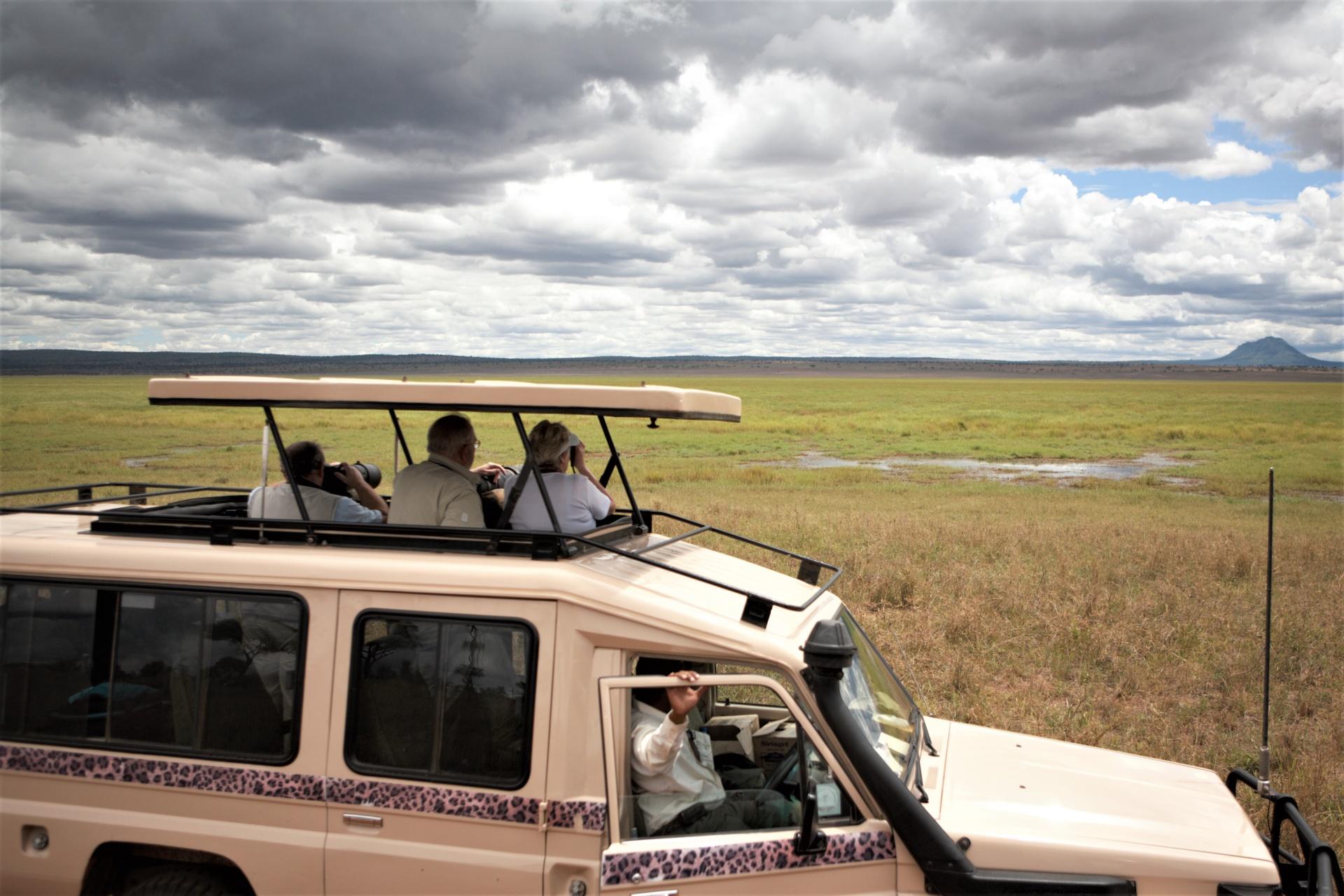
What makes Ndutu different for photographers is not the wildlife alone. Ndutu sits inside the Ngorongoro Conservation Area rather than Serengeti National Park, so off-road driving is permitted in designated zones. That single distinction changes everything: your guide can work the light, drop to eye level, find a clean background and move into position as behaviour unfolds, instead of taking whatever angle the road happens to offer.
You will photograph newborn calves taking their first unsteady steps, and the predators that never leave the herds — lions, spotted hyena and the cheetahs Ndutu is known for, often followed for hours rather than minutes. Between the drama there are flamingos on the alkaline lakes, bat-eared fox, elephant in the woodland, and the soft, diffused green-season light that extends shooting well beyond dawn and dusk.
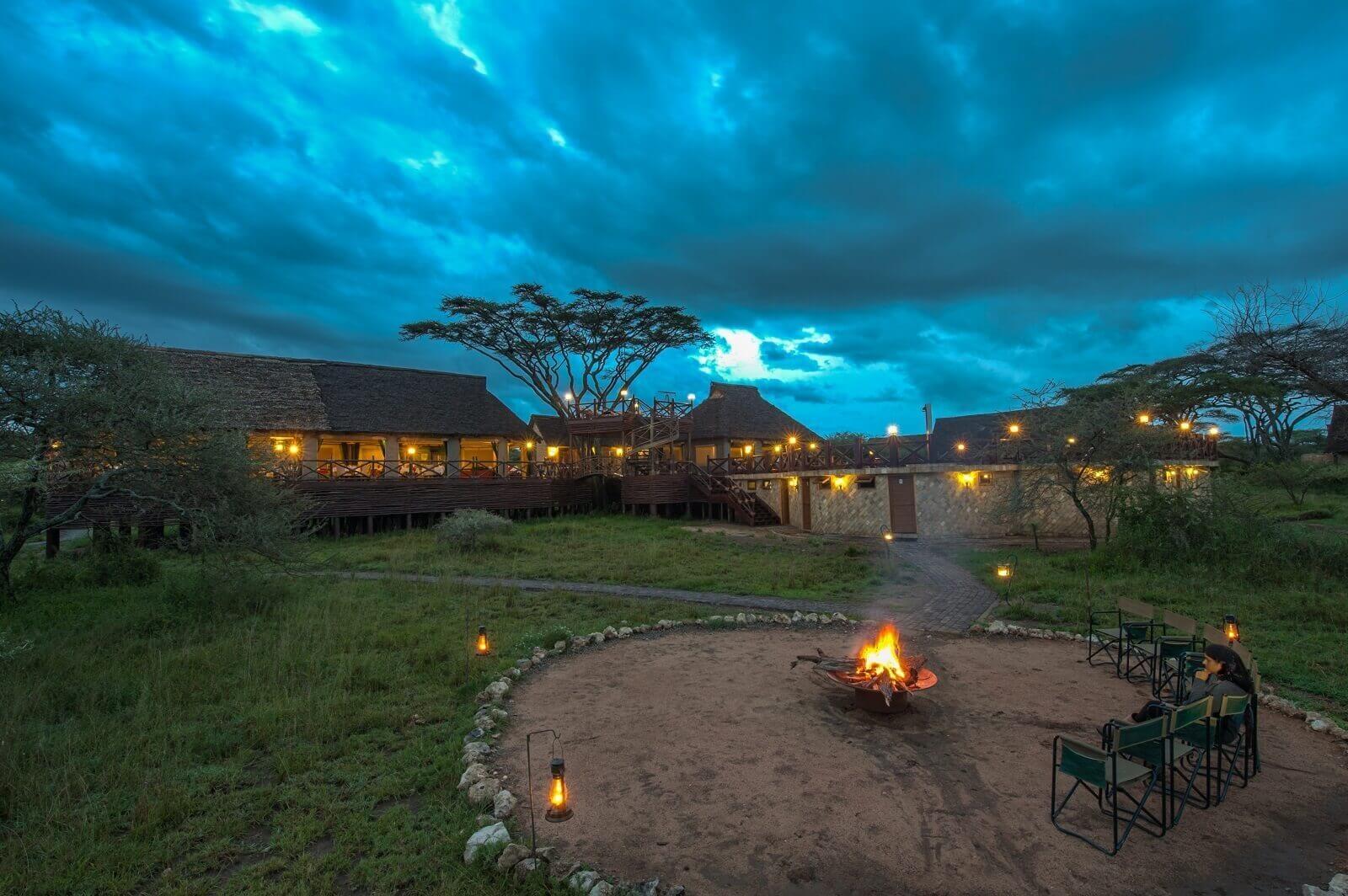
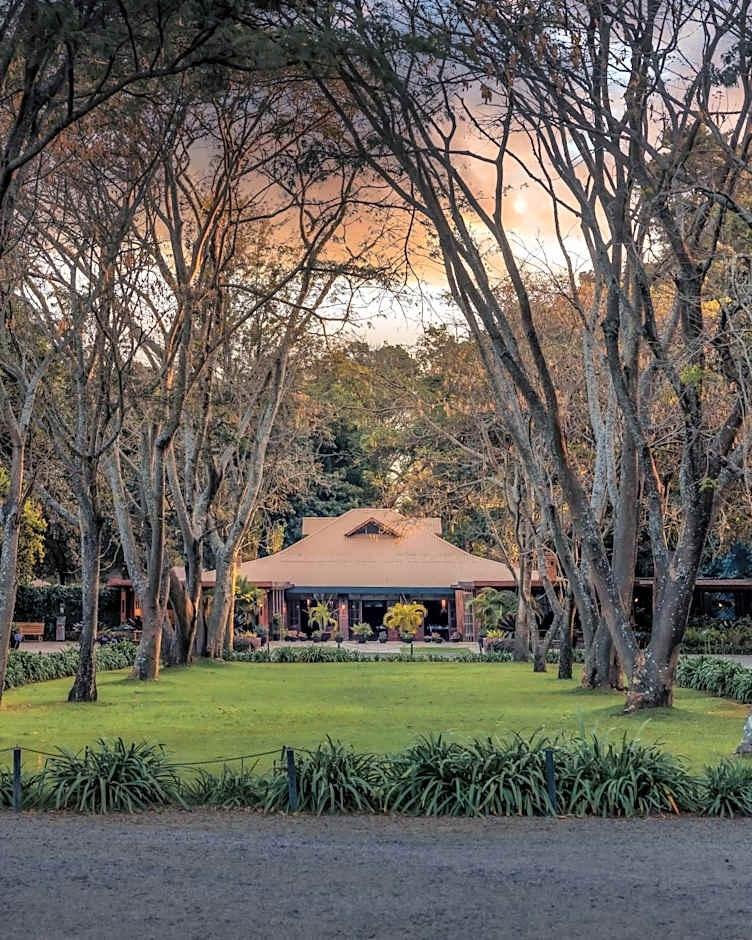
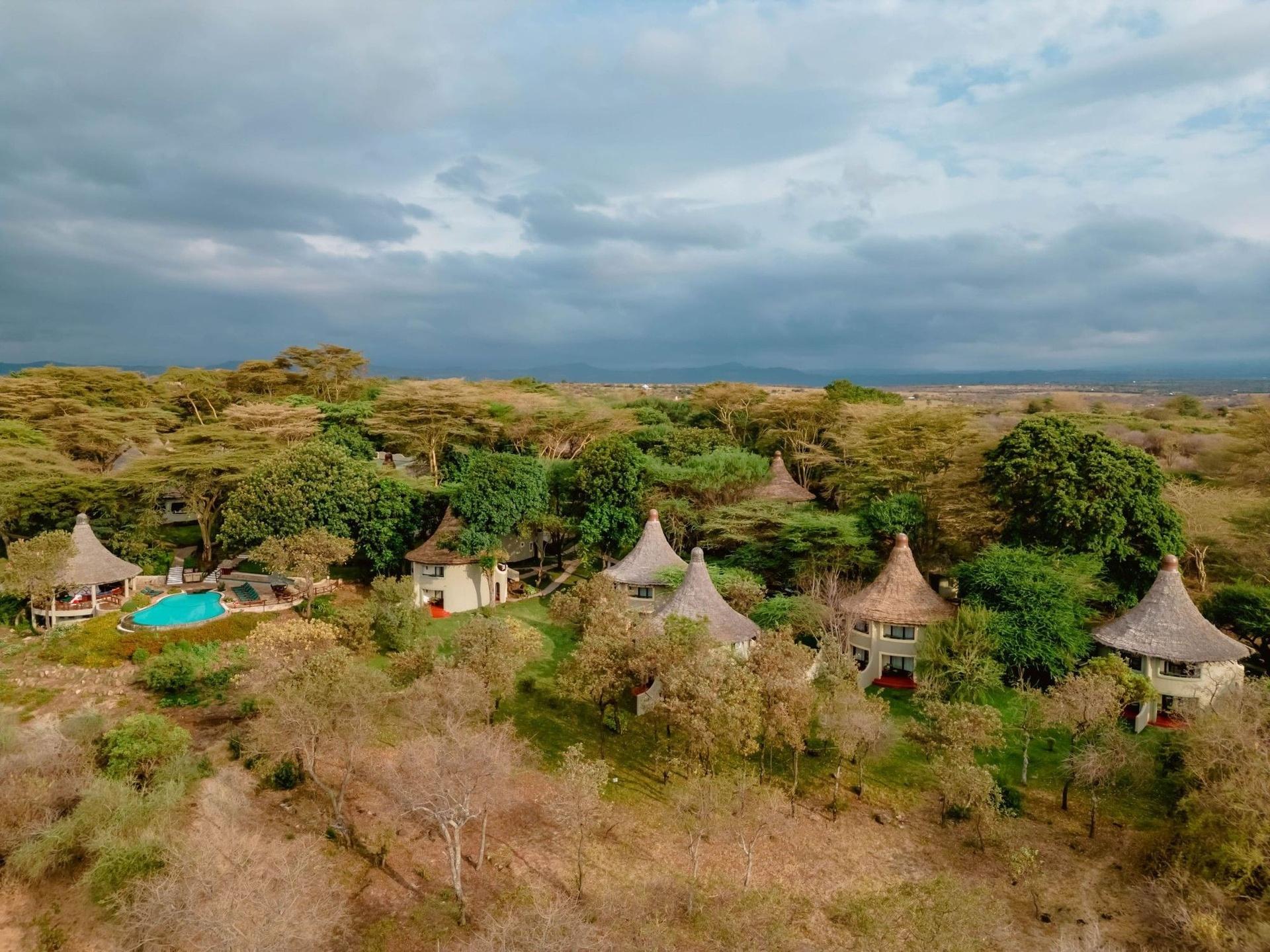
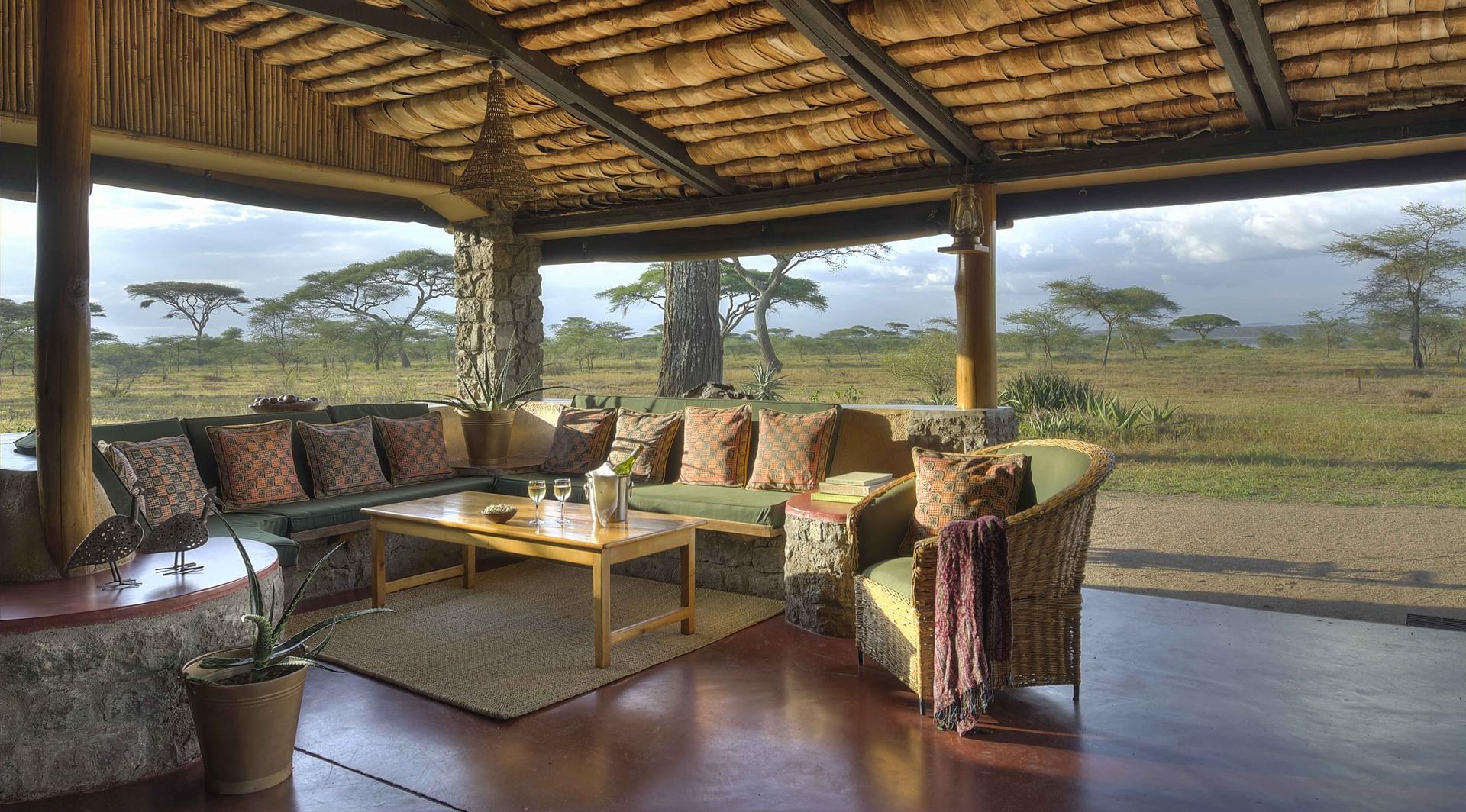
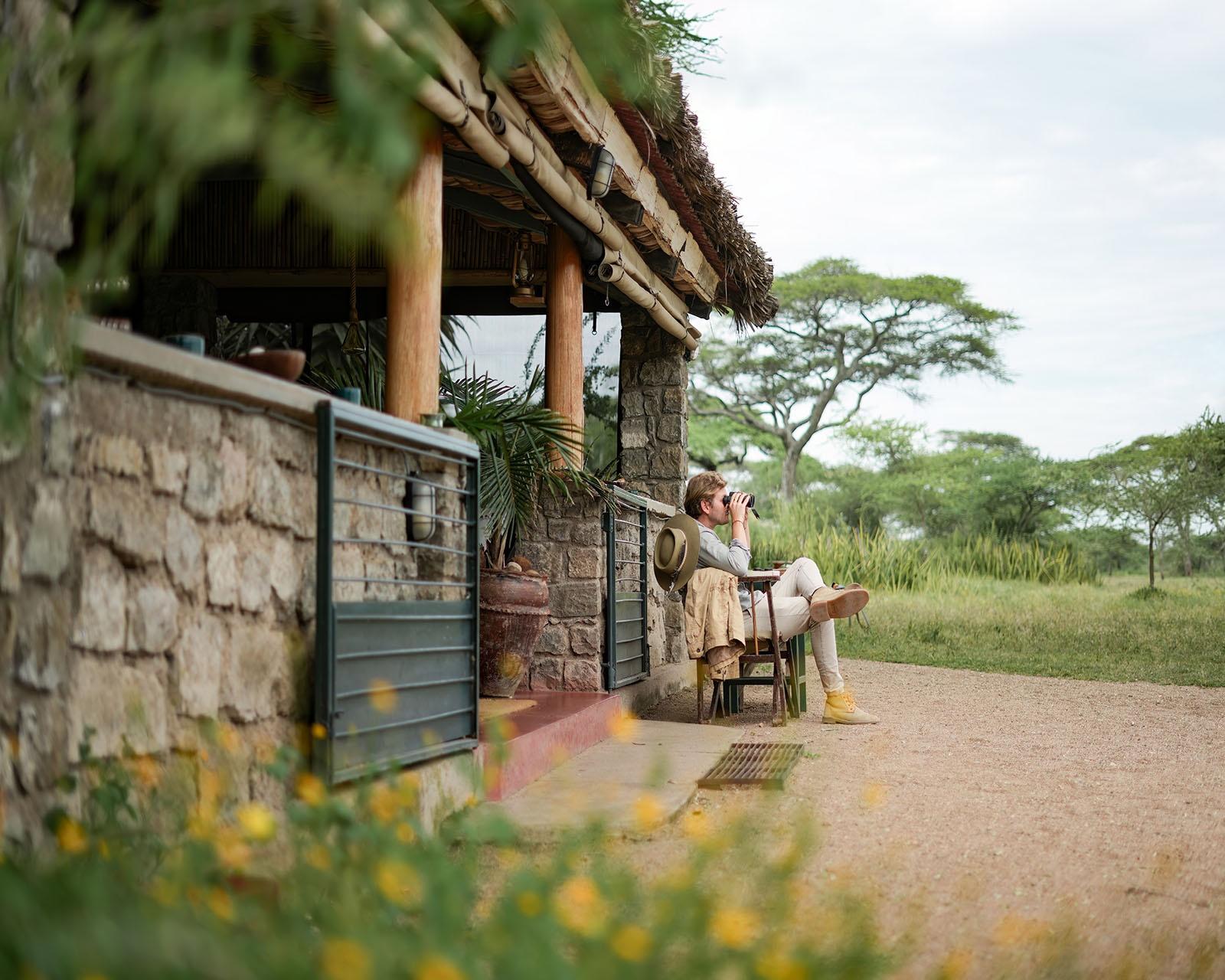
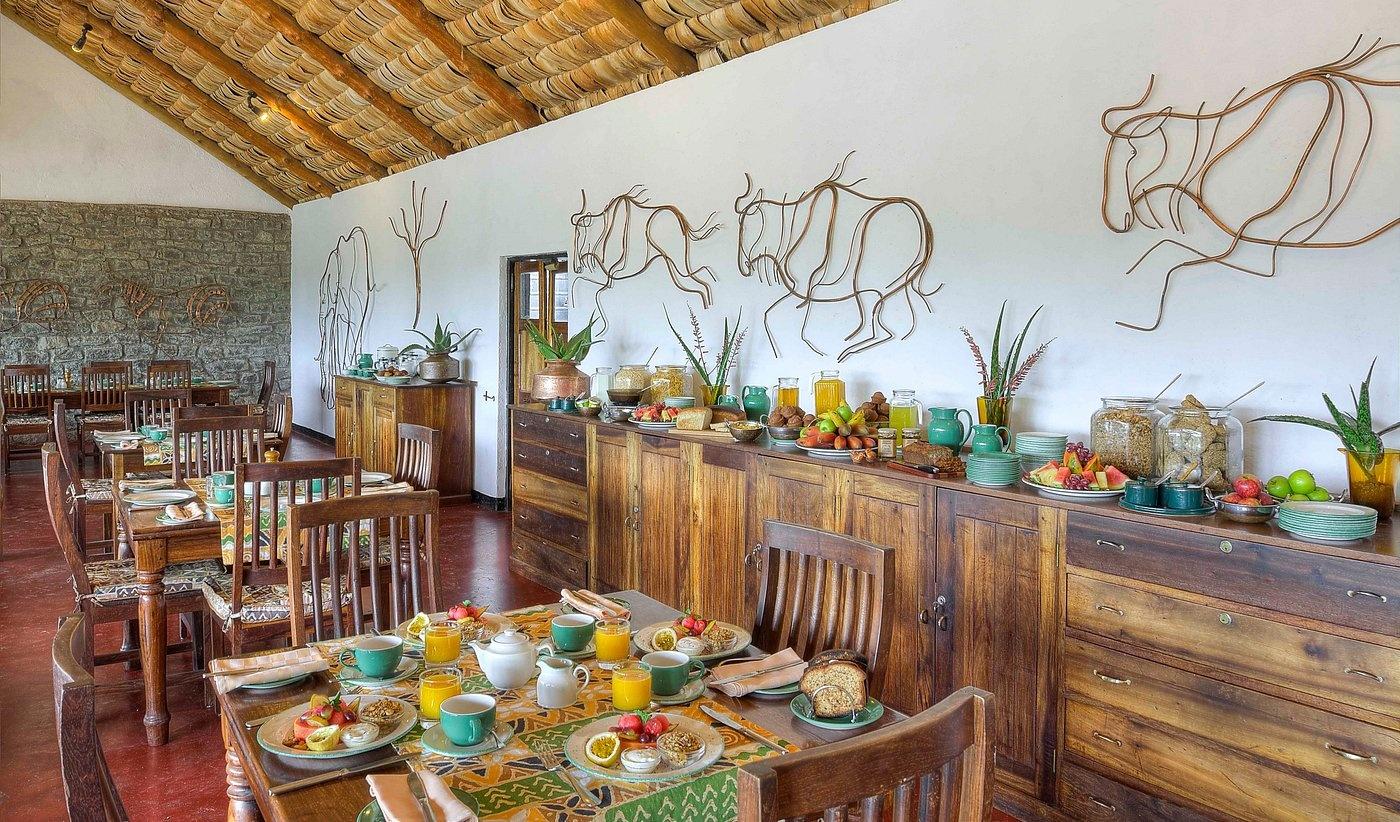
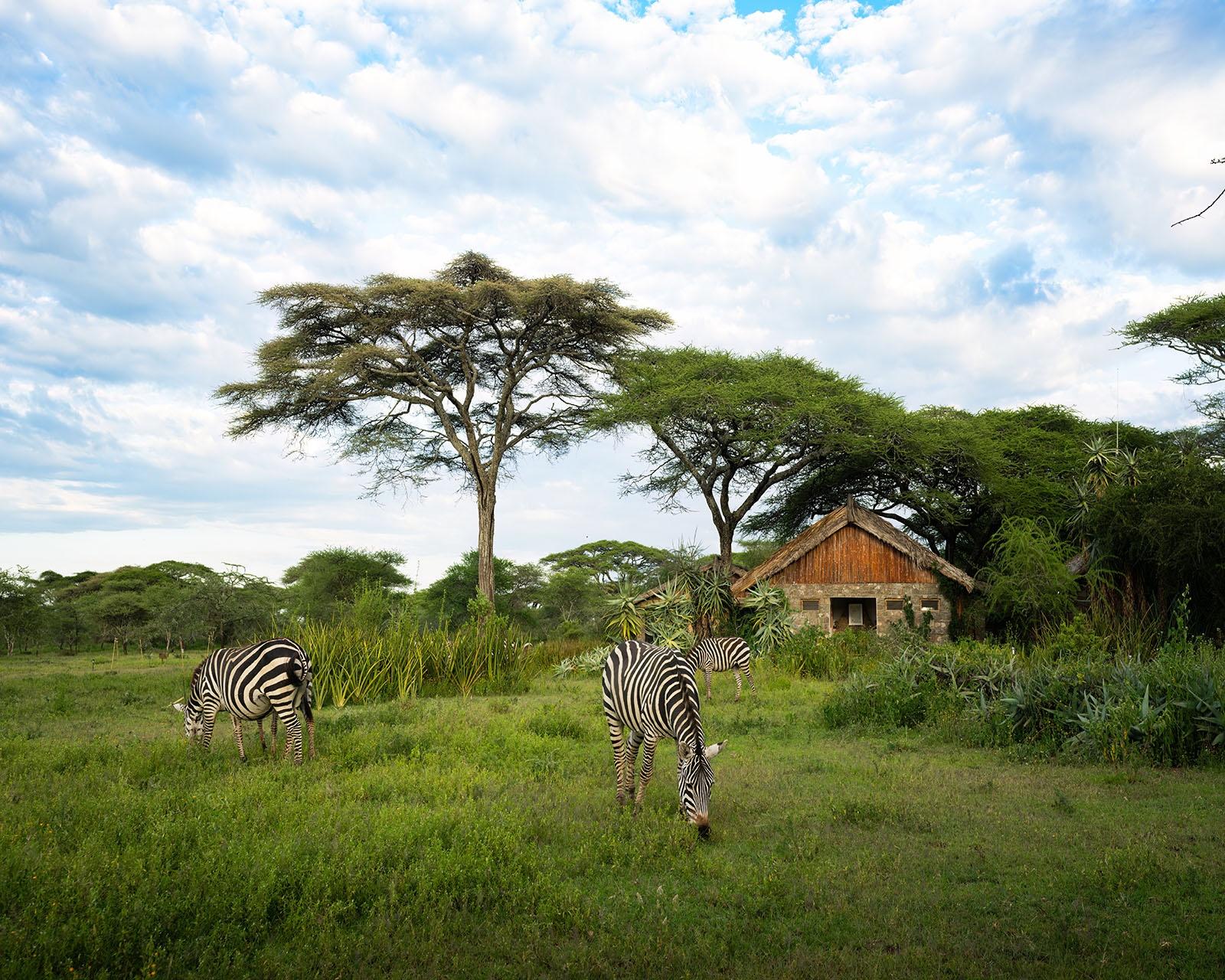
This is not a tented safari. You return each evening to a stone-and-thatch cottage at Ndutu Safari Lodge, an unfenced outpost that has hosted photographers, filmmakers and researchers for decades, and where wildlife walks through the grounds. Wildlife Dreams first photographed here in 2007.
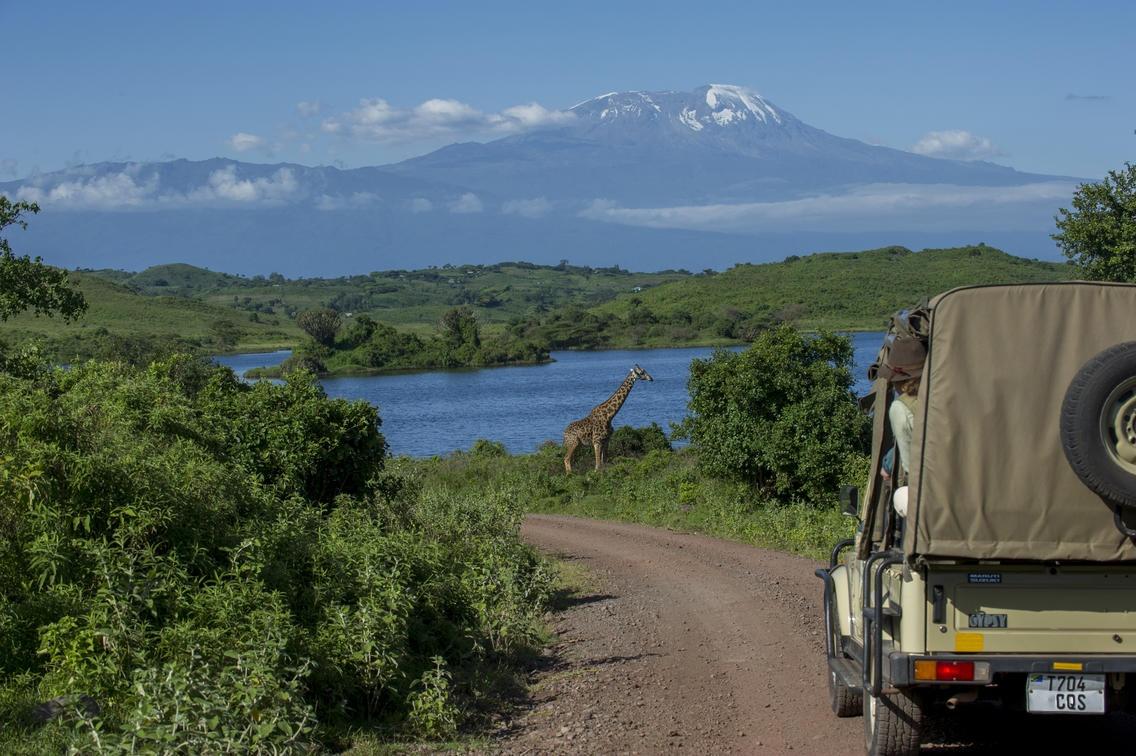
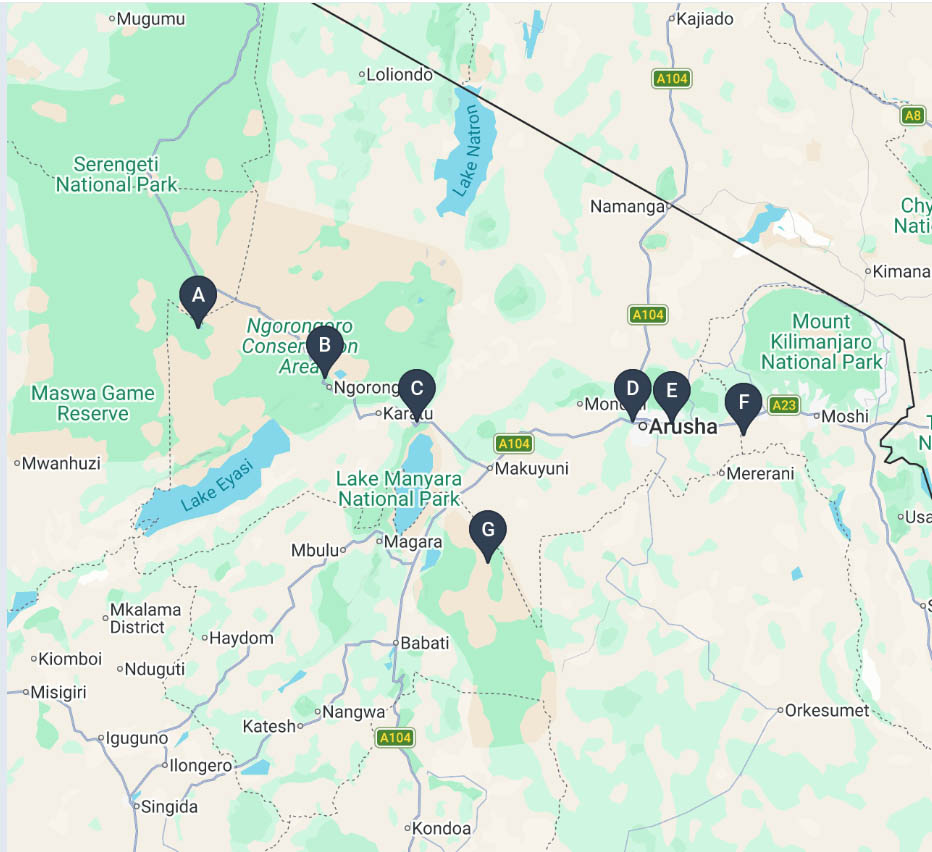
Twelve days from Kilimanjaro to Kilimanjaro, working north through Tarangire and the Ngorongoro Crater before six nights on the Ndutu plains. Drive times and session times shift with the weather and the wildlife — the shape of each day stays the same.
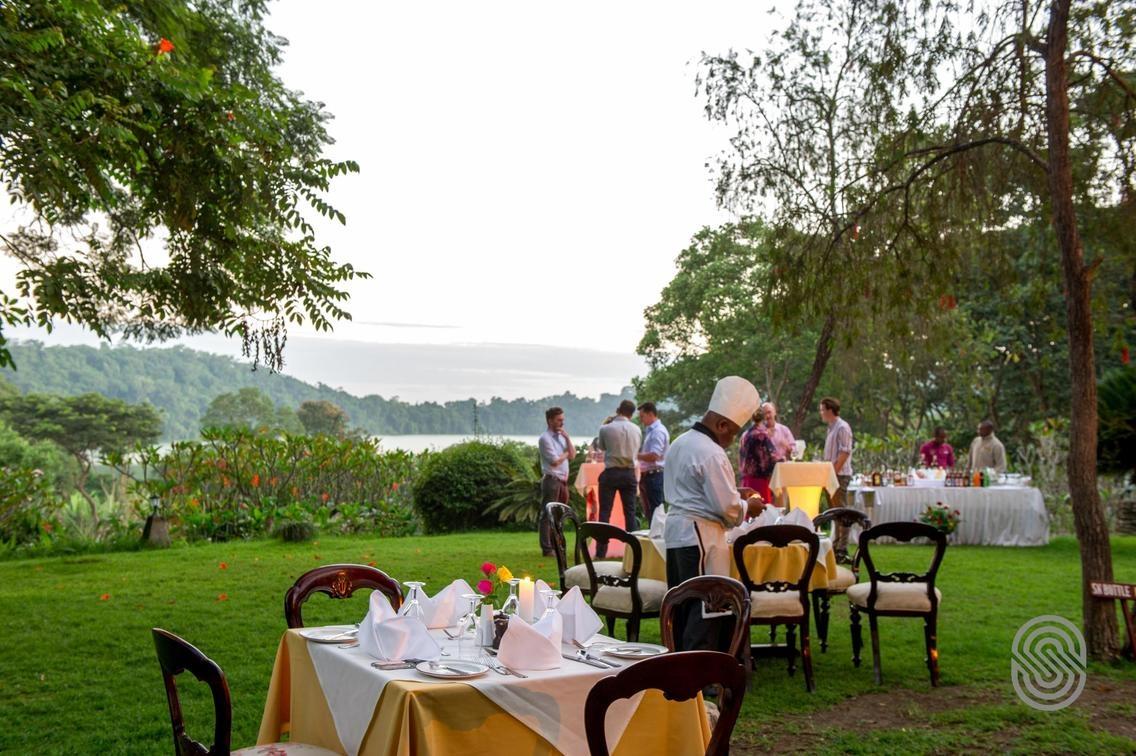
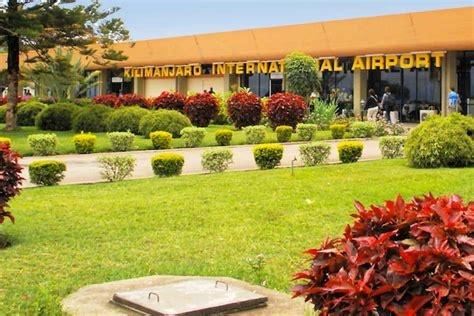
Met at Kilimanjaro International Airport by your Wildlife Dreams photographic host and your Wildersun Safaris driver-guide, then transferred to the Arusha Serena Hotel for the night. The lodge sits in the flowered gardens of a coffee plantation, built as an authentic African village, its rondavels opening onto wide timbered decks above Lake Duluti. Bed and breakfast.
Breakfast and a morning at leisure. Pick-up at 11.00 and transfer to Arusha Coffee Lodge for lunch, then at 14.00 we drive to Tarangire, game viewing en route. Dinner and overnight at Tarangire Sopa Lodge, a low-profile building set into a wooded hillside valley looking out over Tarangire Hill.
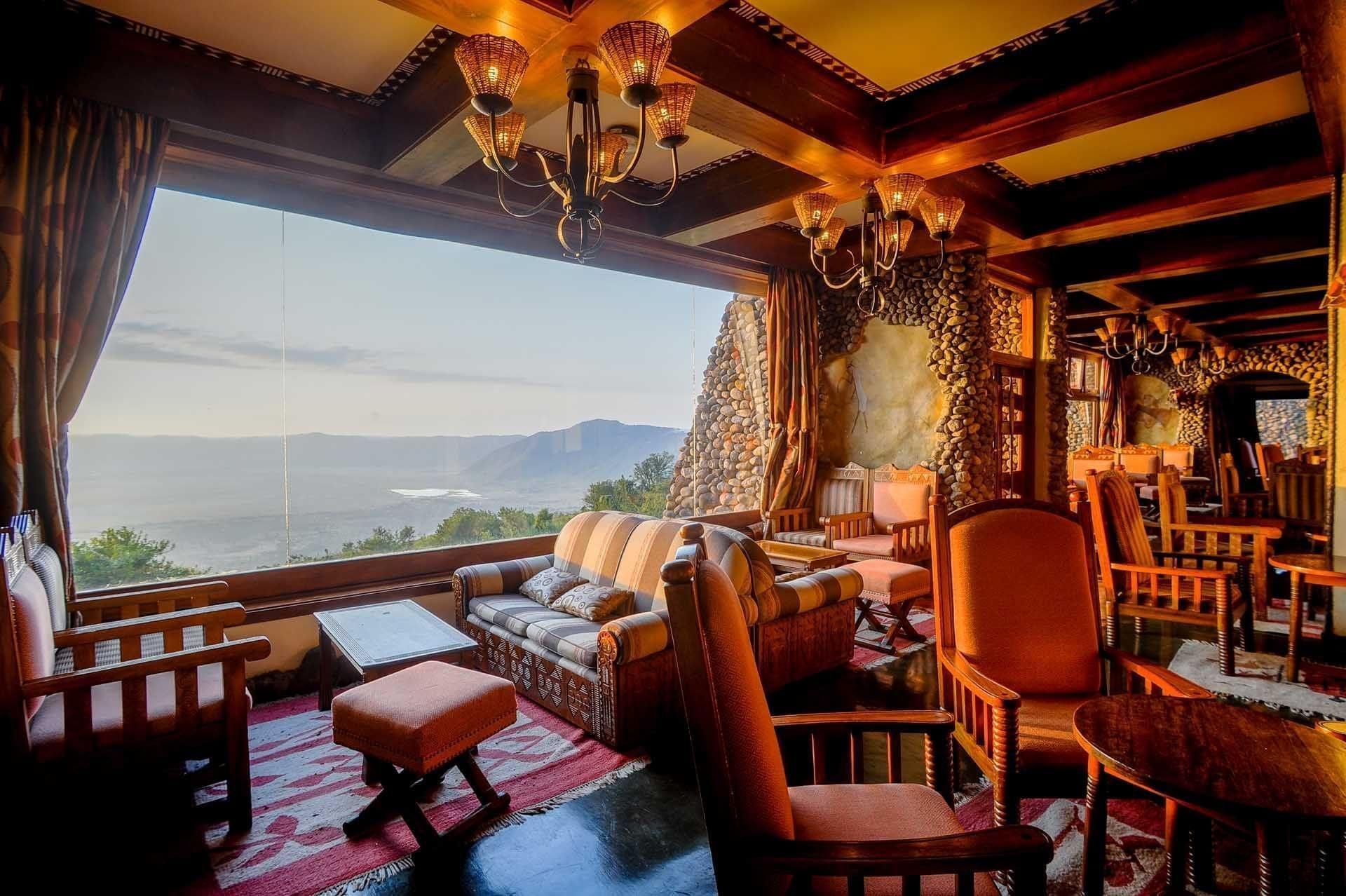
Breakfast, then depart Tarangire with picnic lunches and a game drive en route to Ngorongoro Serena Lodge, perched on the rim of the crater with breathtaking views. Dinner and overnight.
Descend some 2,000ft to the crater floor — 18km across, 610m deep, the largest unbroken caldera in the world. Wildebeest, zebra, buffalo, elephant, warthog, hippo, lion, hyena, jackal and gazelle are all residents, alongside 530 recorded bird species. A scenic picnic lunch, a full day of game viewing, then back to Ngorongoro Serena for dinner.
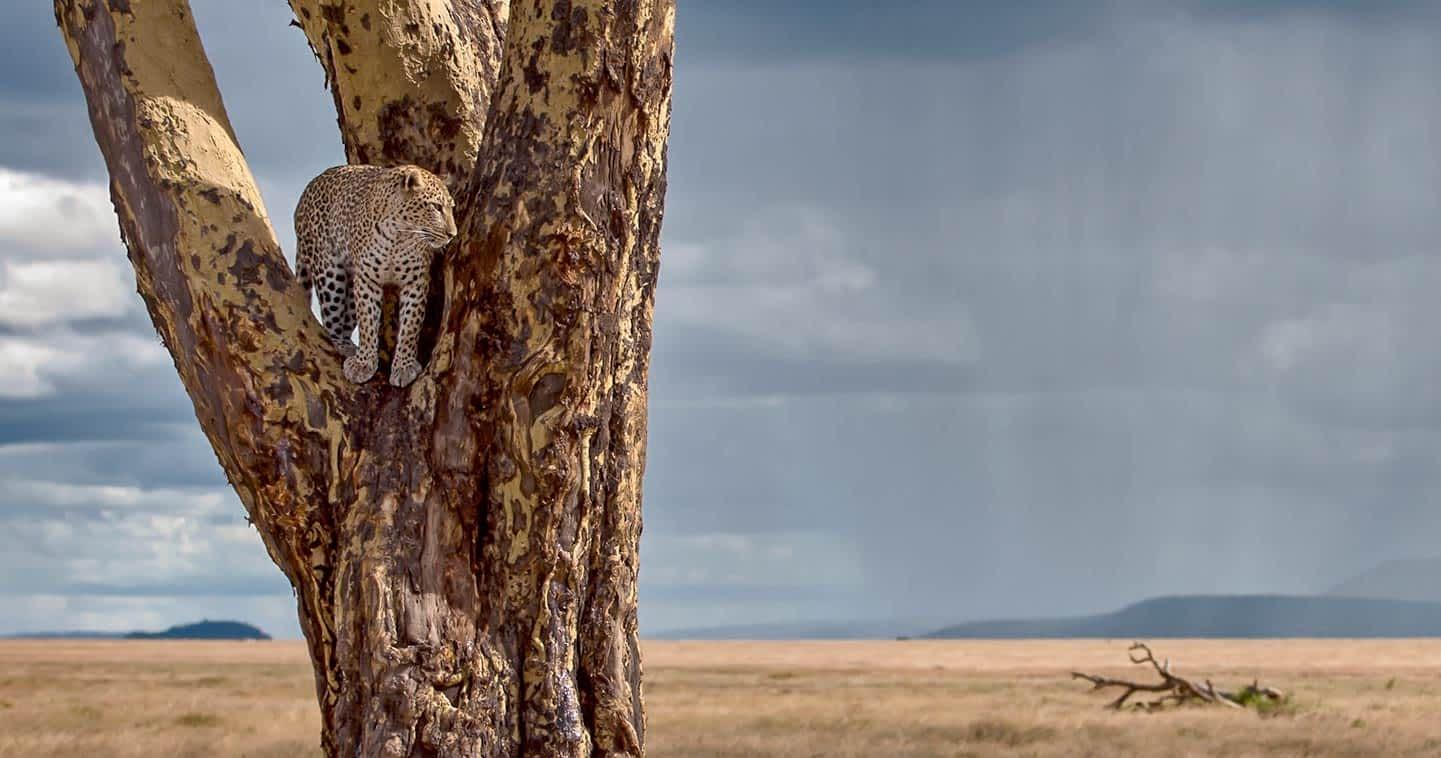
Breakfast, then depart with picnic lunches for Ndutu Safari Lodge — by road for the immersive, scenic version, or by air for the fast, photographer-friendly one. Ndutu is the perfect base for the drama of the migration, with strong resident game too: elephant, lion, cheetah, leopard, hyena, bat-eared fox, African wildcat and the rare striped hyena. Dinner and overnight.
Across the endless golden plains the drama unfolds in front of the lens: thousands of wildebeest bringing new life into the world, vulnerable newborns taking their first steps, and lions, cheetahs and hyenas moving constantly through the herds. Sunrise and sunset light, vast skies, dust-filled moments and intimate behaviour.
An optional full day into the southern and central Serengeti with picnic lunches — the “endless plains” the Maasai named, 14,763 sq km holding the largest concentration of wildlife anywhere on Earth, with more than a million animals and over 500 bird species. Back to Ndutu Safari Lodge for dinner.
A second optional day trip into the southern and central Serengeti with picnic lunches, returning to Ndutu Safari Lodge for dinner and overnight.
Morning game drives in Ndutu with lunch back at the lodge. Out again in the later afternoon for another drive, returning in the early evening. Dinner and overnight at Ndutu Safari Lodge.
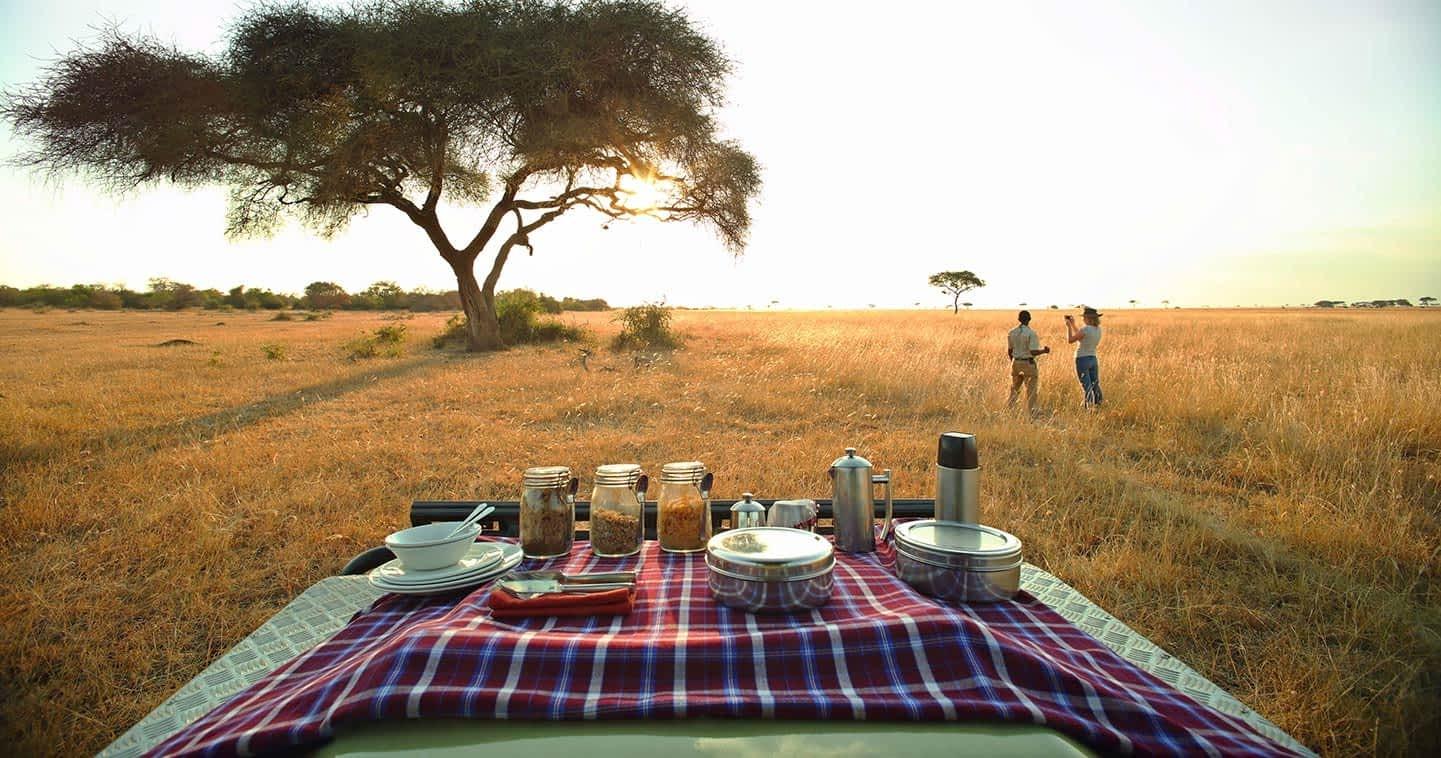
Breakfast, then a morning drive across the Ndutu plains when early light transforms the landscape and wildlife is at its most active — lions, cheetahs, wildebeest, zebra, hyenas and the unexpected encounters that make every drive different. Lunch and time to recharge, then back out as golden light sweeps the plains for silhouettes, predators on the move and intimate moments.
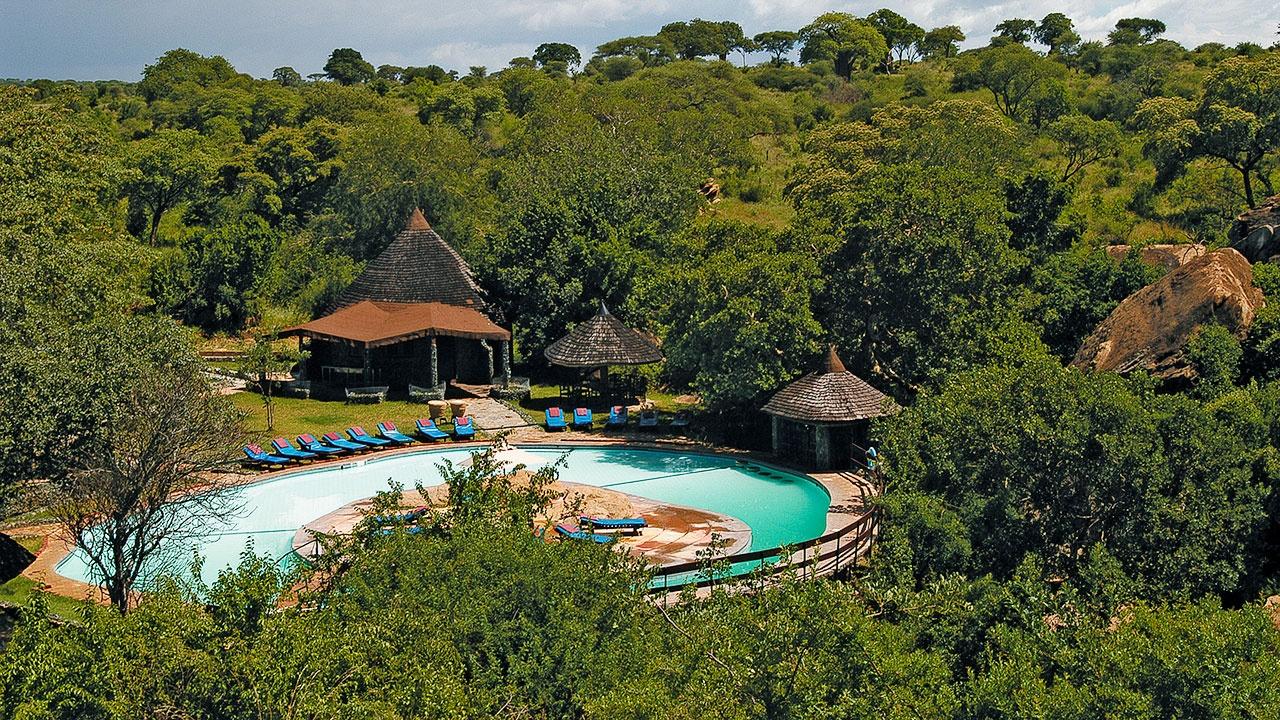
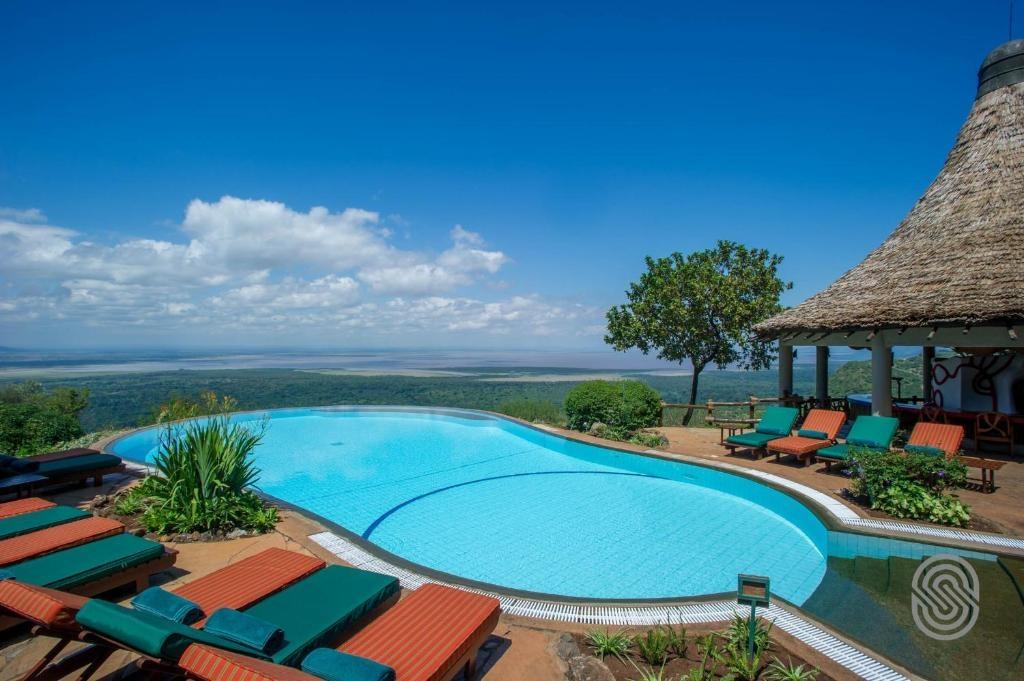
Depart Ndutu with picnic lunches and drive to Manyara. Check in to Lake Manyara Serena Lodge, where the swimming pool is perched on the rim of the rift valley wall. Dinner and overnight.
Breakfast, then drive back to Arusha for lunch at Arusha Coffee Lodge. Day rooms at the Arusha Serena Hotel afterwards, then transfer to Kilimanjaro International Airport for your departure flight.
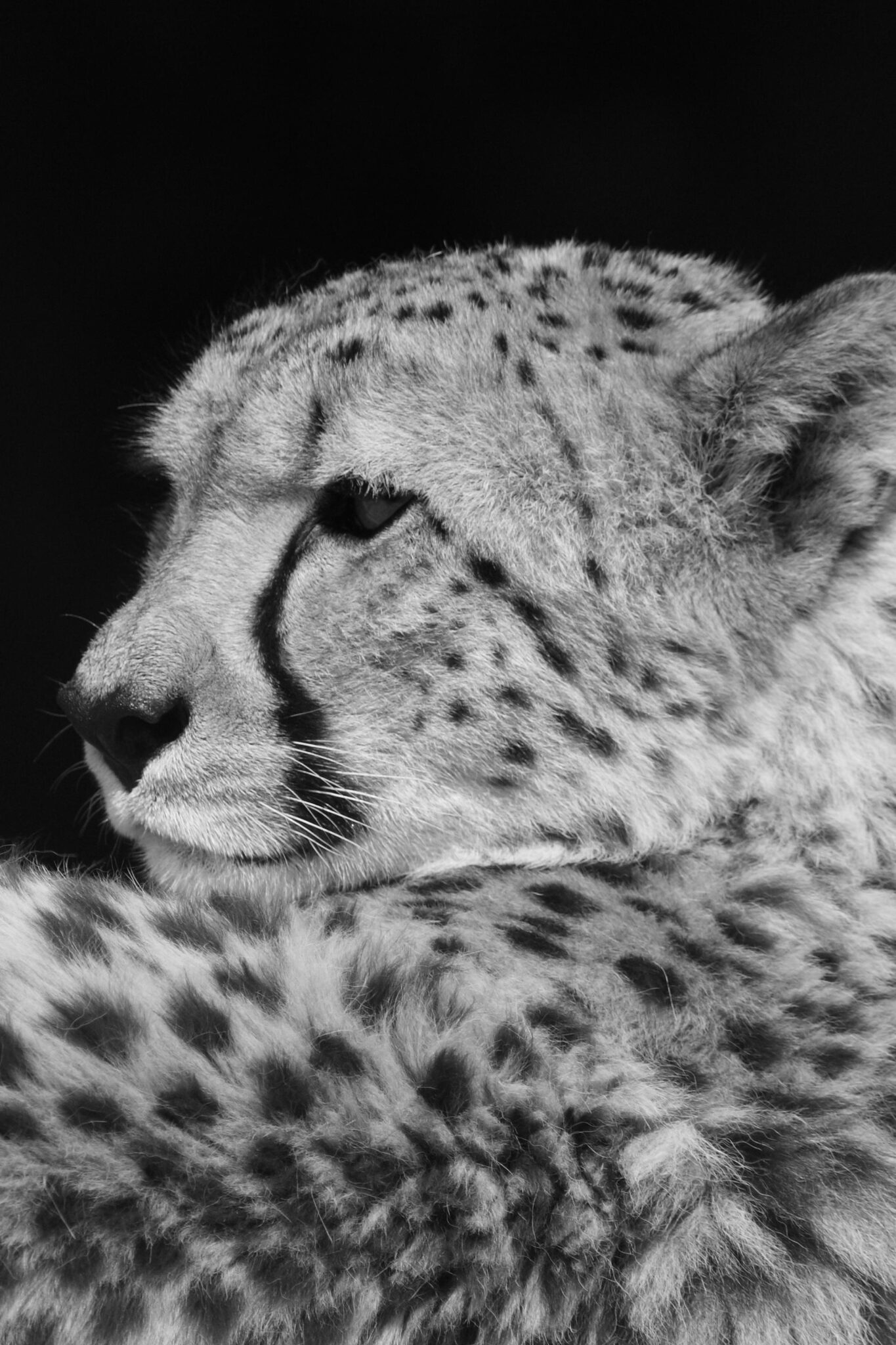
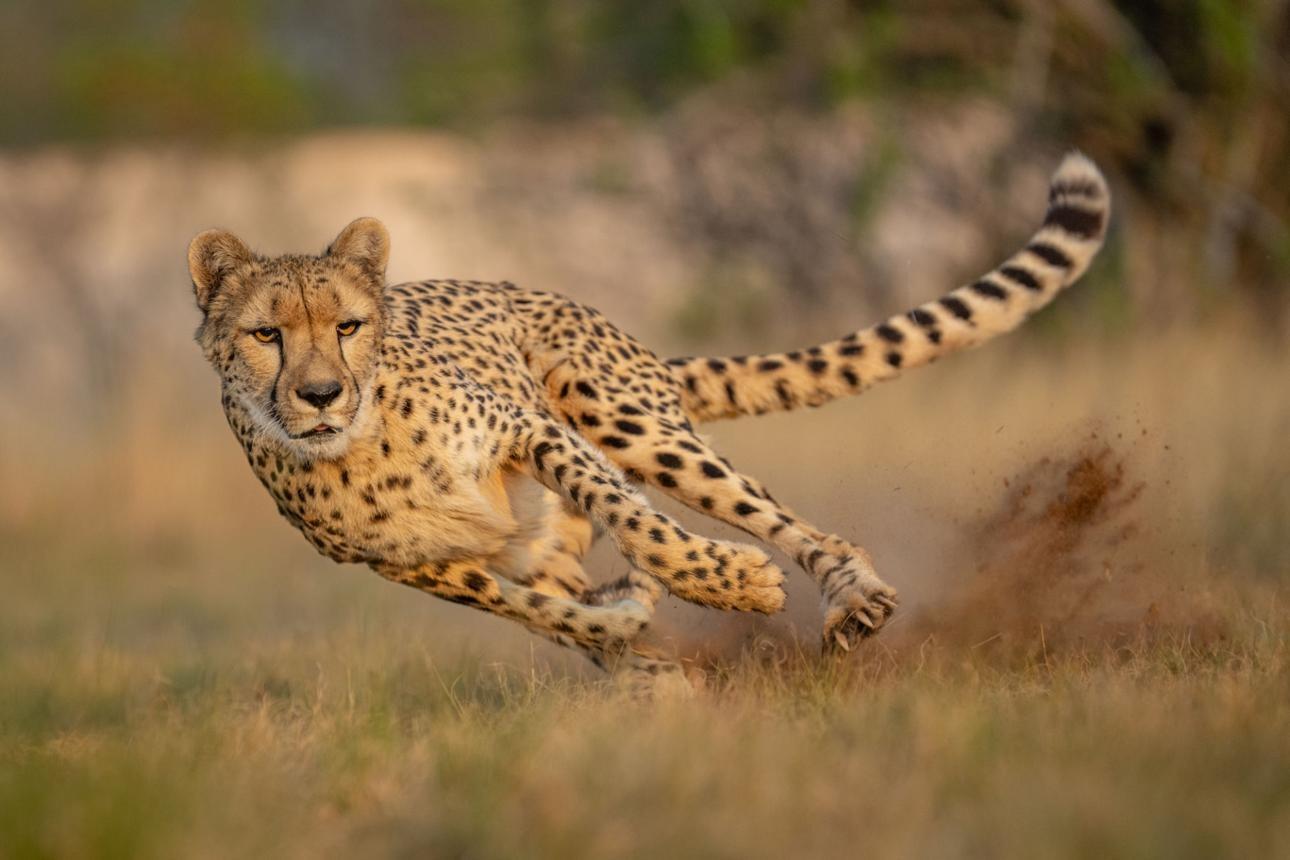
It is the unscripted, unpredictable behaviour that defines Ndutu. Cheetahs in particular are a defining presence: the open plains give them the visibility and space they need to hunt, and encounters here are frequent and often prolonged. You may spend hours with one individual or a family group — not just the chase, but the quiet moments between it. A mother scanning the horizon. Cubs playing in the grass. The tension building long before the sprint begins.
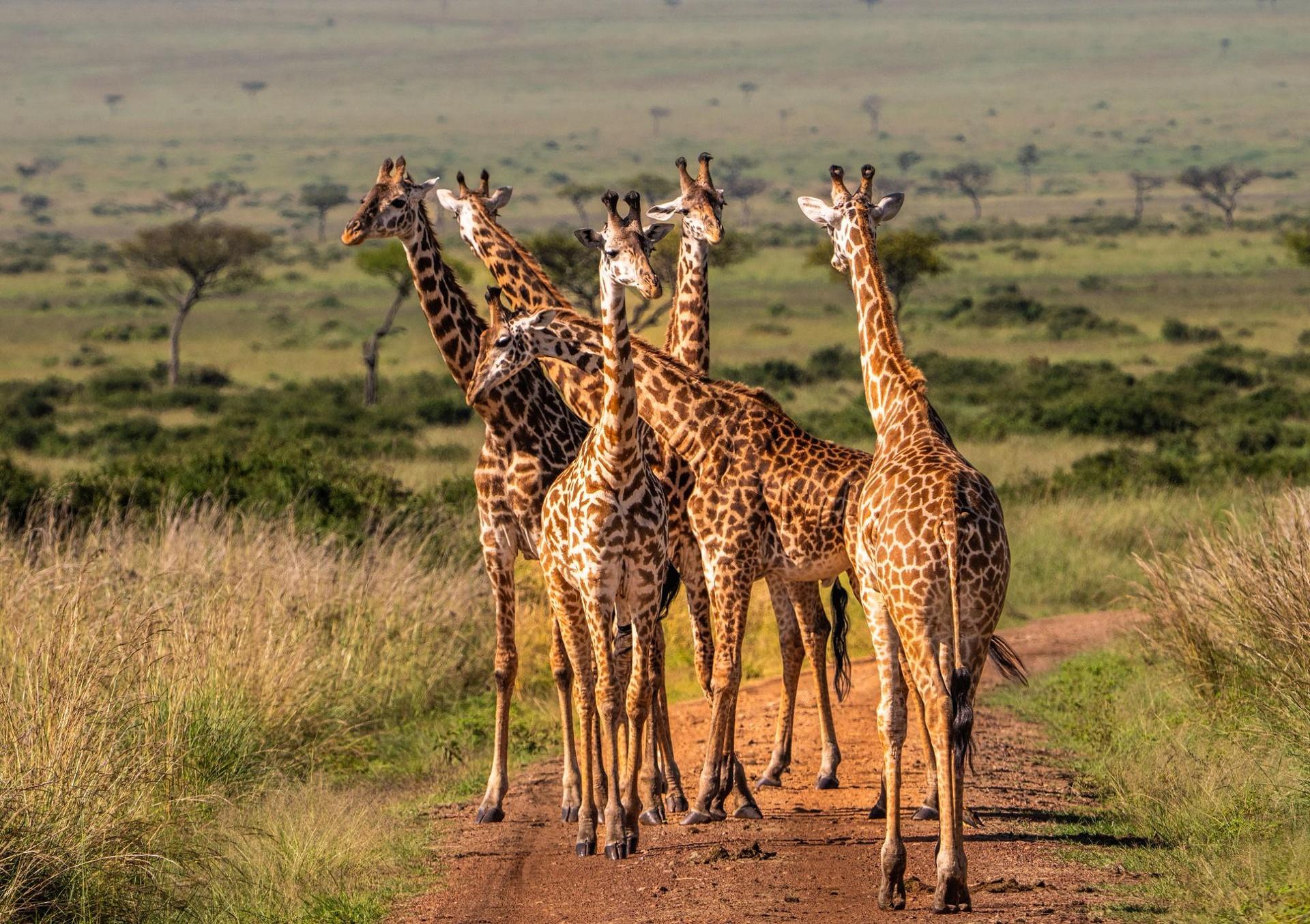
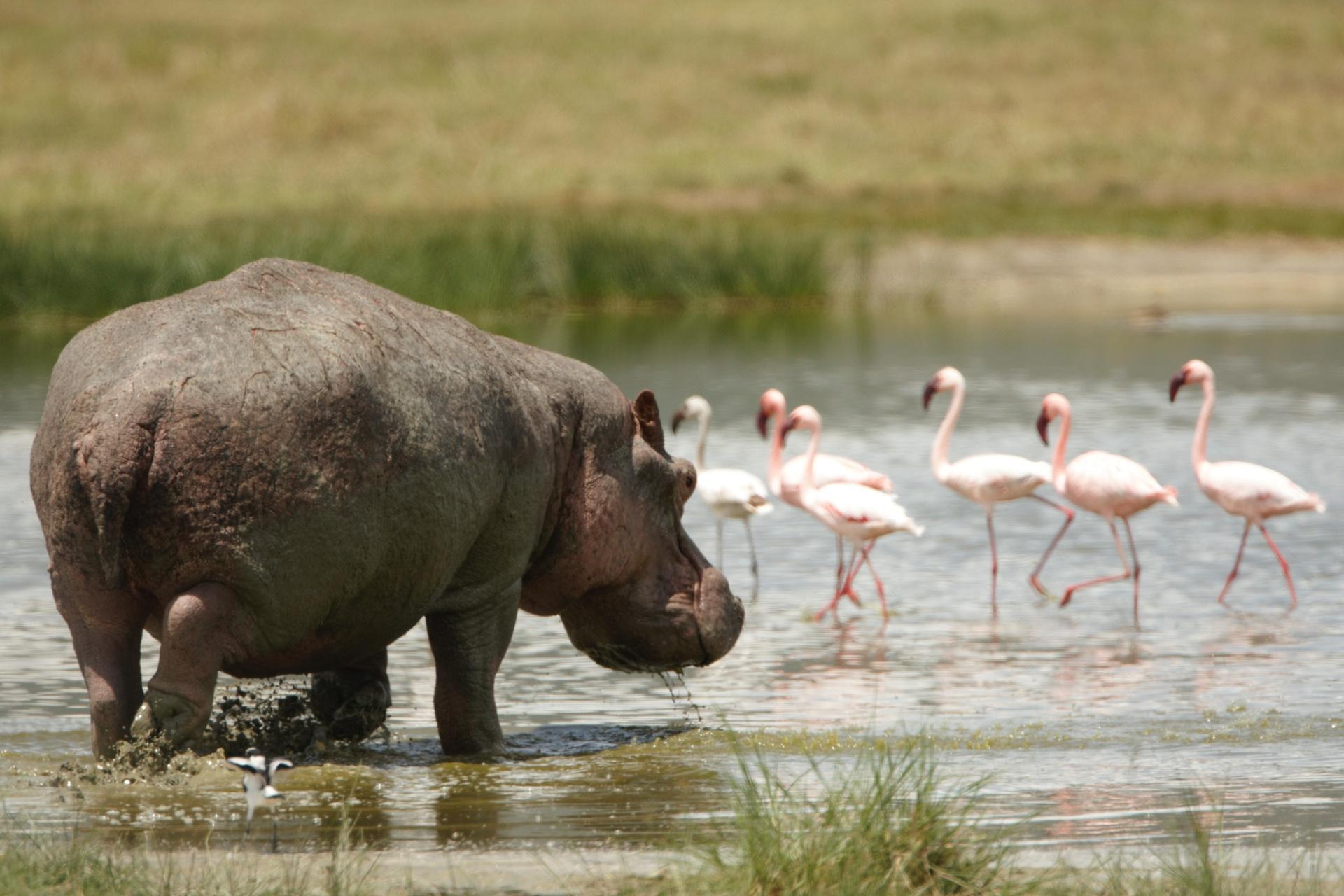
Flamingos washing the horizon pale pink, elephants moving with deliberate calm through the woodland, giraffes striding across the plains. These moments give the take visual rhythm and a chance to step back from the intensity of predator and prey.
Safari photography demands versatility. Wildlife can appear across the landscape one moment and fill your frame the next, so we recommend travelling with a three-lens combination that lets you respond to whatever unfolds.
Elephants, giraffes and larger wildlife when you want the landscape in the frame — the animal within its environment rather than a tight portrait.
Zebra, impala and medium-sized wildlife at a comfortable distance. Enough reach for behaviour while keeping environmental context.
Cheetahs, distant predators, fast action and intimate portraits. A 300mm is an excellent starting point; longer focal lengths help at distance but get very tight on large animals close in.
Where possible choose fast lenses, ideally f/2.8. Wildlife is most active in early-morning and late-afternoon light, when shutter speeds fall quickly. A fast lens gathers more light, holds faster shutter speeds and gives the creamy backgrounds that make wildlife portraits stand out.
For photographers who prefer to travel light — especially useful if you are flying — a 100–400mm or 100–500mm zoom is an exceptional single-lens safari solution. It covers a close lion or elephant through to a distant cheetah and lets you recompose as the animal moves.
The advantage is speed and simplicity: no lens changes, less to carry, more time with your eye on the action. The 100mm end gives far more flexibility than starting at 300mm when a large animal comes close to the vehicle.
The trade-off is speed of glass — these are slower than a 70–200mm f/2.8 or a 300mm f/2.8, so they work less well in the very low light of dawn and dusk.
Where possible choose fast lenses, ideally f/2.8. Wildlife is most active in early-morning and late-afternoon light, when shutter speeds fall quickly. A fast lens gathers more light, holds faster shutter speeds and gives the creamy backgrounds that make wildlife portraits stand out.
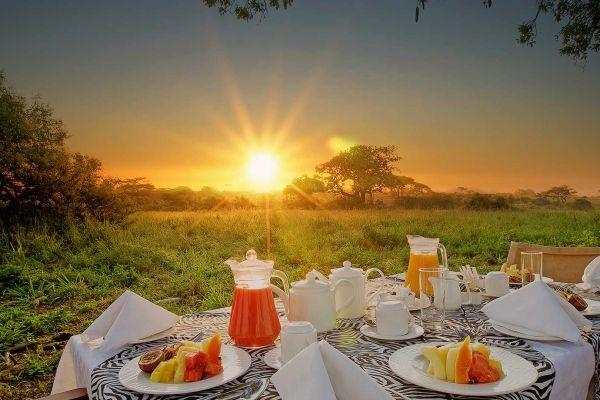
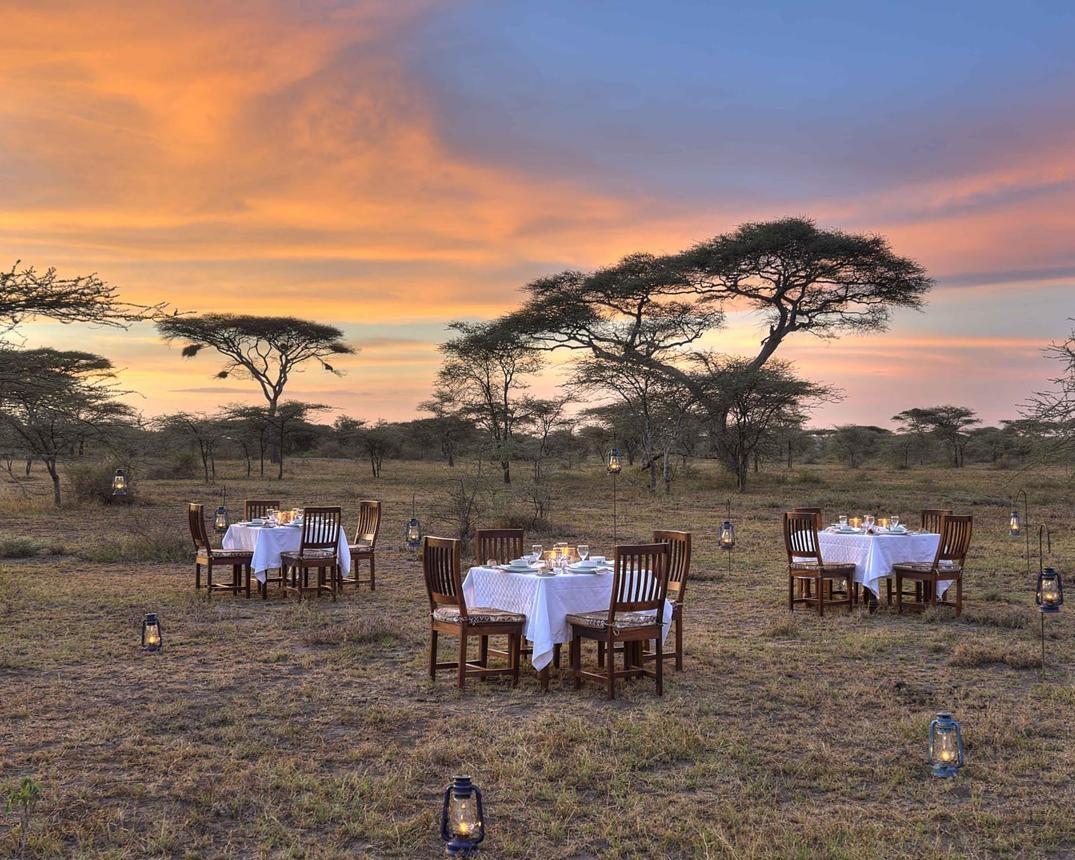
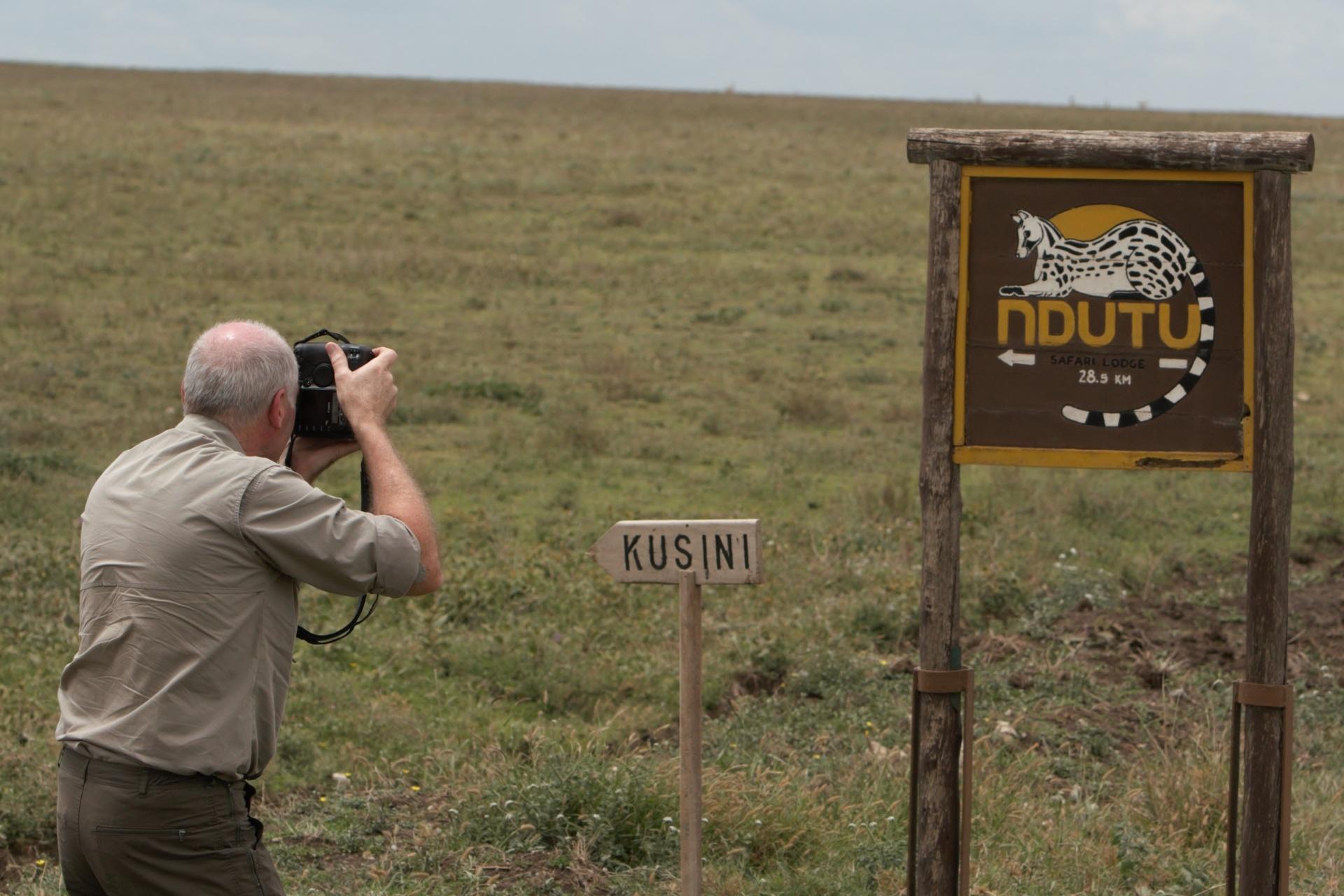
A long-standing outpost that has hosted generations of photographers, filmmakers and researchers. Its understated, functional design reflects the priorities of the people who stay: early starts, long days in the field, and evenings spent sharing sightings around a fire rather than indulging in luxury. Wildlife moves freely through the unfenced grounds — a reminder that here, humans are merely visitors.
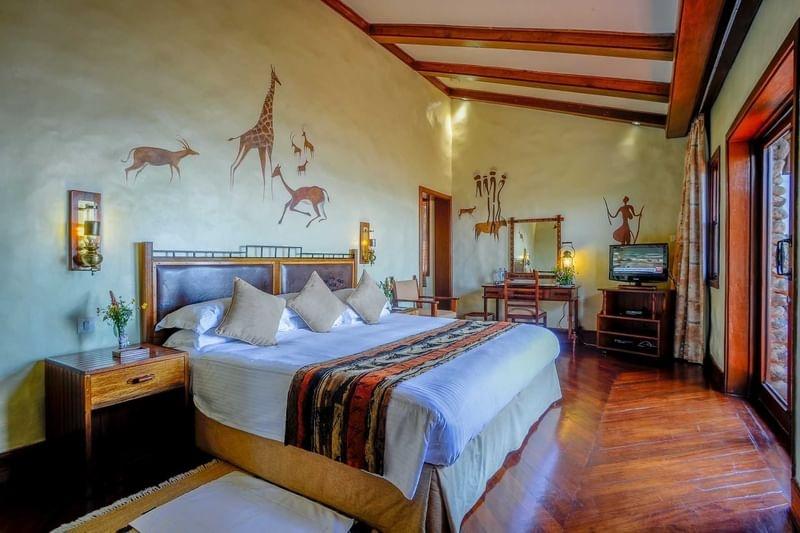
Rustic, authentic, old-Africa safari style. Think storytelling, dusty boots and real safari rather than polished luxury. Wildlife Dreams first stayed here in 2007.
You fly into Kilimanjaro International Airport, where your Wildlife Dreams photographic host and your Wildersun Safaris driver-guide meet you and transfer you to Arusha for the first night. All transfers in Tanzania from that point are included.
Kilimanjaro Airport Rd, Tanzania
Tengeru Rd, Tanzania
Old Dodoma Road, Burka Coffee Estate, Arusha
Mawe Ninga 23101, Tanzania
Ngorongoro Crater Conservancy, Arusha
Ndutu, Tanzania — six nights
Mto wa Mbu Escarpment, Northern Tanzania
Unlike the more regulated areas of the Serengeti National Park, Ndutu sits inside the Ngorongoro Conservation Area, where off-road driving is permitted in designated zones. That single distinction fundamentally changes the photographic experience. It lets guides position the vehicle with precision — aligning subjects with the light, isolating clean backgrounds, and working angles that lift an image from documentary to art.
Get eye-level perspectives. Find cleaner backgrounds. Work the light. Move into position as the behaviour unfolds — and escape the vehicle congestion that limits photographic opportunities elsewhere in the Serengeti.
You are also remarkably close to the action. The calving plains and the predator hotspots are on our doorstep, which means less time driving and more time with the camera ready. That can be the difference between witnessing a fleeting encounter and capturing the frame you travelled halfway around the world to make.
Ndutu is not somewhere we go to see wildlife. It is somewhere we go to photograph it properly. More freedom, more time, better positioning, more opportunities for extraordinary images — and when the light is right and the action begins, you want to be there.
Our team has over 100 years’ combined experience in guiding, photography and conservation. Getting the shot is rarely as easy as it looks — in nature, things happen in their own time. We show you how knowing your subject and having patience reaps its rewards.